13 Surprising and Fascinating Facts About Sea Animals

Introduction
The ocean is often described as a vast, silent void, but a closer look at marine biology reveals a world of high-speed chases, biological miracles, and evolutionary oddities that defy terrestrial logic. From creatures that can effectively reset their own biological clocks to predators that use specialized sensory hardware to hunt in total darkness, sea life operates on a set of rules fundamentally different from our own. Understanding these interesting facts about sea animals isn’t just about collecting trivia; it provides a window into how life adapts to the extreme pressures, temperatures, and darkness of the deep sea.
Biological Wonders and Evolutionary Oddities
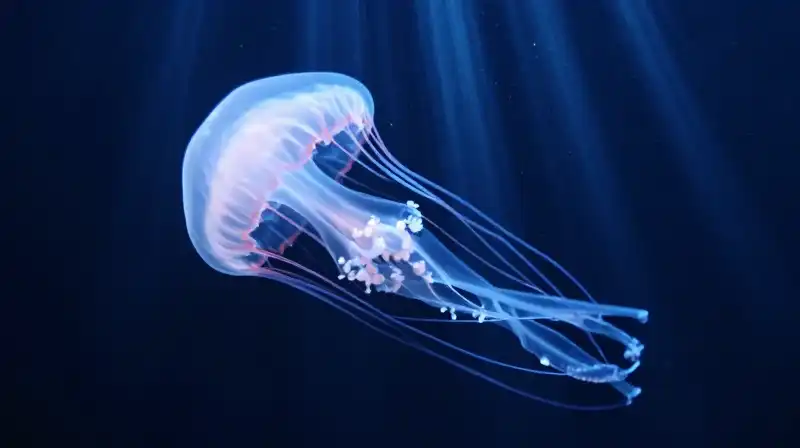
Many marine species have developed specialized physical traits that seem almost alien. These adaptations are rarely for show; they are precise tools for survival in an unforgiving environment.
The “Immortal” Jellyfish and Other Life Hacks
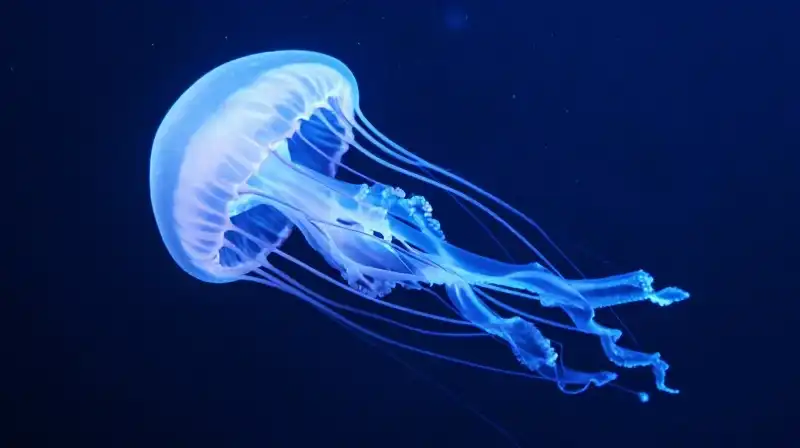
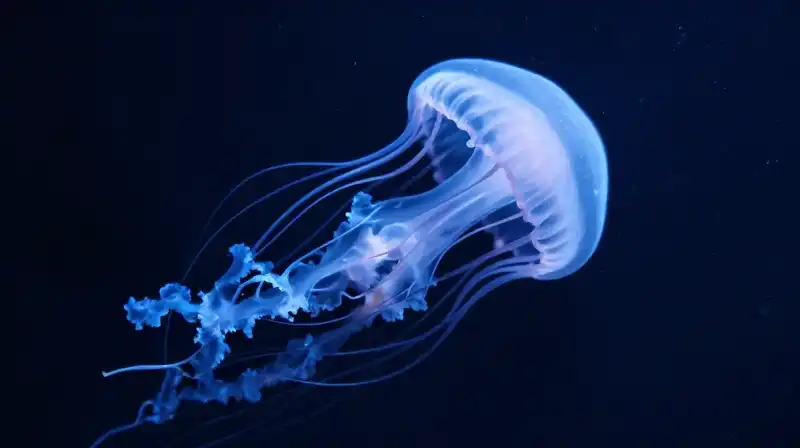
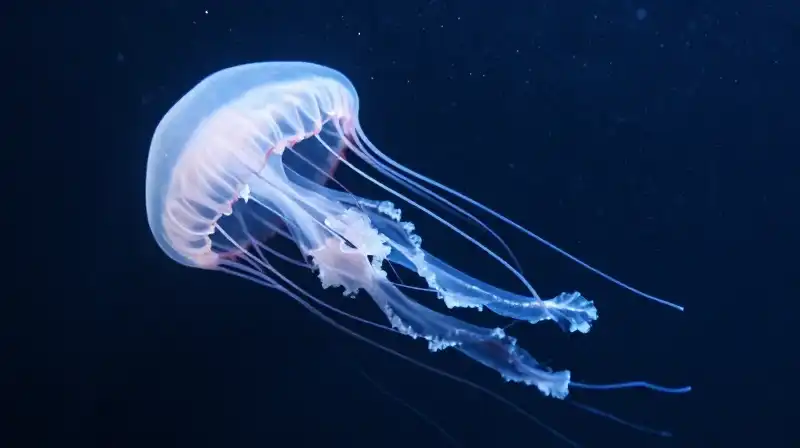
In the realm of extreme biology, the “immortal jellyfish” holds a unique title. According to this creature is noted for its ability to technically achieve immortality by reverting its cells to an earlier stage of development when faced with physical environmental stress, essentially restarting its life cycle.
Specialized Anatomy: From Squids to Eels
Anatomy in the ocean often prioritizes function over traditional symmetry. Consider these striking examples:
- Squid Brain Placement: In a highly unusual anatomical arrangement, a squid’s brain actually wraps around its esophagus.
- The Gulper Eel’s Mouth: To consume prey that may be much larger than itself, the gulper eel possesses a mouth that can balloon outward and fold back, drastically altering its physical shape to accommodate a meal.
- Unusual Predators: Deep-sea dwellers like the goblin shark and the megamouth shark are recognized by scientists for their highly specialized, often bizarre physical structures specifically evolved for catching prey in the dark.
Sea Cucumber Defense Mechanisms
Some sea cucumbers utilize a startlingly visceral defense strategy. When threatened, they can expel their own sticky digestive organs at a predator to create a distraction. Remarkably, they are capable of regenerating these organs afterward.
Sensory Precision and High-Performance Swimming
Survival in the ocean often comes down to how well an animal can sense its surroundings and how efficiently it can move through a dense medium like water.
Whiskers and Vibration Detection
For many marine mammals, sight is secondary to touch. Seals, for instance, may use their highly sensitive whiskers to detect minute vibrations caused by swimming prey. This sensory specialization is so effective that it allows even blind seals in the wild to hunt with precision.
The Thermal Challenge of High-Speed Tuna
Speed comes at a metabolic cost. Certain species of tuna are so specialized for high-speed swimming that they generate significant internal heat to optimize their muscle temperature. This specialized physiology is so intense that if these fish are caught and removed from the water without being killed, they can actually overheat.
Ancient Lineages and Medical Miracles
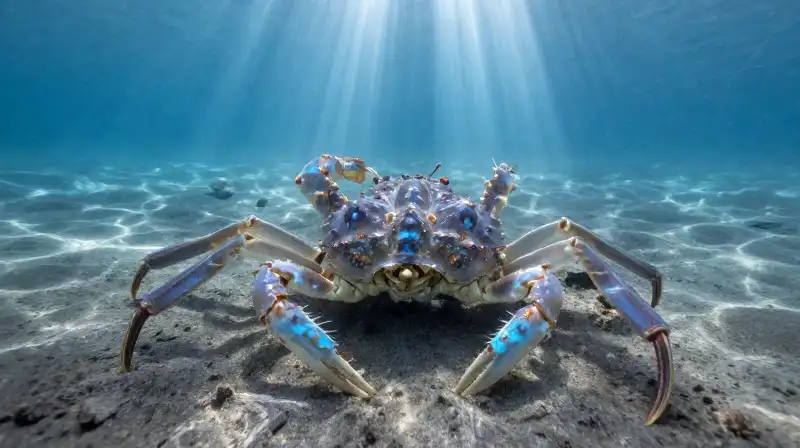
Some of the most fascinating sea creatures are those that have remained largely unchanged for millions of years, carrying biological secrets that are vital to modern human medicine.
The Horseshoe Crab: More Spider Than Crab
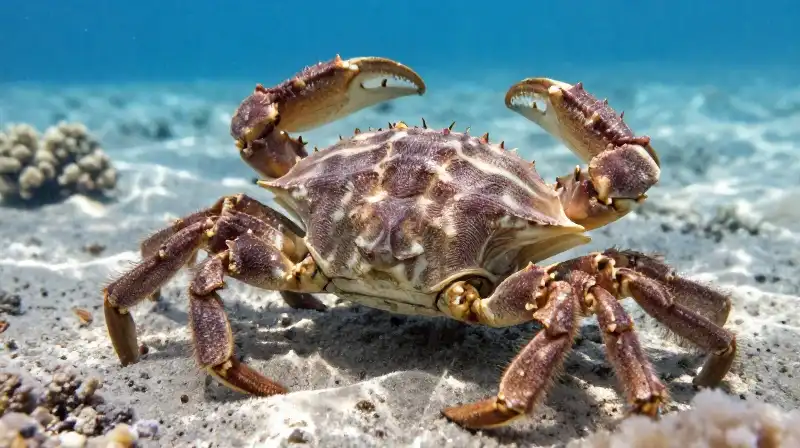
Despite its name, the horseshoe crab is not a true crab; it is actually a closer relative to the spider. One of its most vital biological features is its blue blood, which uses copper instead of iron to transport oxygen.
This blue blood is a cornerstone of modern medical safety. According to horseshoe crab blood is used by companies globally to ensure the safety of drugs and other medical products. This is because the blood contains a unique property: it coagulates immediately in the presence of certain bacterial toxins, serving as a highly effective screening tool for contaminants.
Conservation and the Reality of Sea Life
While many sea creatures seem invincible, they are often highly vulnerable to human activity. Understanding their history and current status is essential for marine biology and conservation efforts.
| Species / Group | Notable Fact or Status | Context |
|---|---|---|
| Right Whale | Endangered | They earned this name because they were considered the “right” whale to hunt due to their slow movement and tendency to float after death. |
| Sea Turtles | Protected | All six species found in U.S. waters, including the green, leatherback, and loggerhead, are protected under the Endangered Species Act. |
| Siphonophores | Colonial Organism | The Portuguese man o’ war is not a true jellyfish, but a siphonophore—a colony of specialized individual organisms called zooids. |
How Scientists Study the Deep
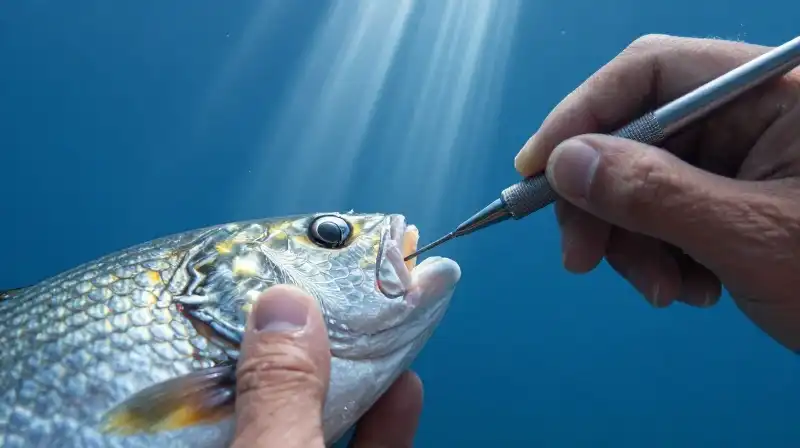
To understand the life cycles of these creatures, marine biologists rely on specialized techniques. For example, scientists can determine the age of a fish by examining the growth rings found on its scales or its ear bones. This allows researchers to track population trends and the impact of environmental changes over time.
Why Marine Diversity Matters
From the copper-based blood of the horseshoe crab to the heat-generating muscles of the tuna, the ocean is a masterclass in biological adaptation. These marine biology fun facts illustrate a fundamental truth: every creature, no matter how strange its anatomy or specialized its behavior, is a finely tuned solution to the challenges of life in the sea. Protecting these species—whether they are the endangered right whale or the ubiquitous sea cucumber—is vital to maintaining the delicate balance of our planet’s largest ecosystem.
Facts sourced from peer-reviewed marine biology research, NOAA, and the Smithsonian Ocean Portal. Our editorial team fact-checks all content against current scientific literature.
Related Articles