10 Fascinating Facts About Marine Biology and Ocean Life

Introduction
The ocean is not merely a body of water; it is a vast, complex laboratory of biological engineering. From microscopic organisms that regulate our very breath to colossal mammals that have lived through centuries of human history, marine life operates under rules of survival that often seem alien to those of us on land. Understanding marine biology means looking past the surface to discover how life adapts to crushing pressures, freezing temperatures, and shifting social structures. The following facts explore the sheer scale, the strange chemistry, and the incredible resilience of the creatures inhabiting our blue planet.
Extraordinary Scales: From Microscopic to Colossal
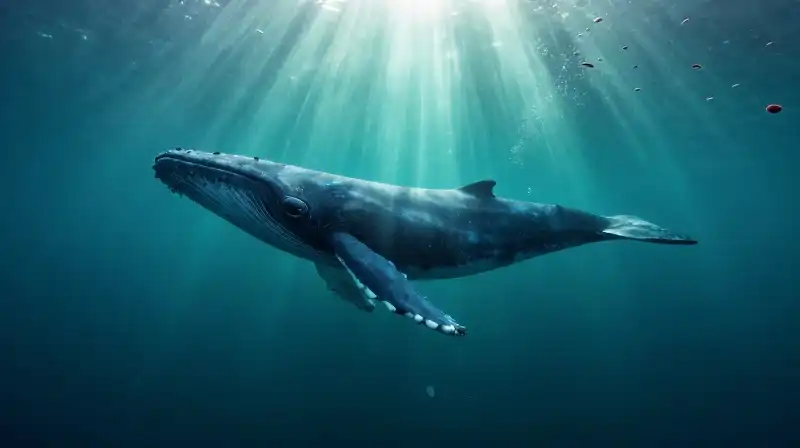
In the ocean, size is not just a matter of physical presence; it dictates how an organism interacts with its environment. The disparity between the smallest life forms and the largest is staggering.
The Giants of the Deep
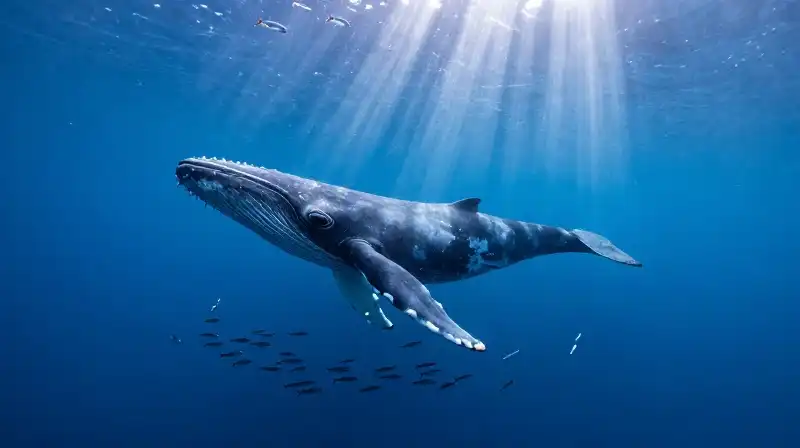
The blue whale represents the absolute limit of biological scale. To grasp the magnitude of these animals, consider these anatomical proportions:
- The Heart: A blue whale’s heart is roughly the size of a Volkswagen Beetle.
- The Aorta: The main artery is so wide that a human could theoretically swim through it.
- The Tongue: A single tongue can weigh as much as an entire elephant.
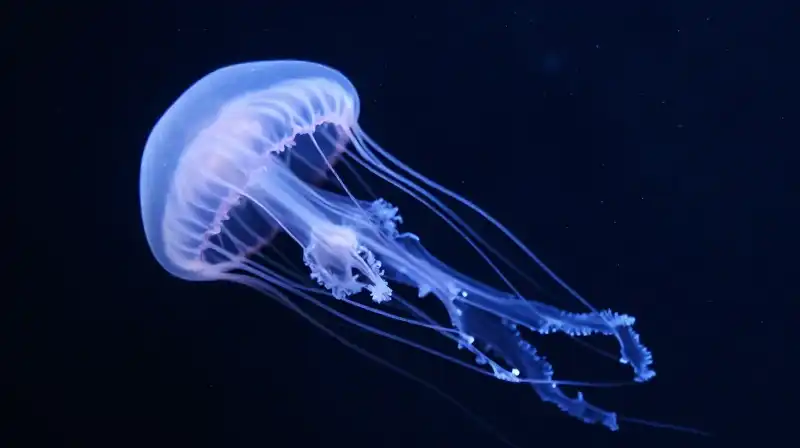
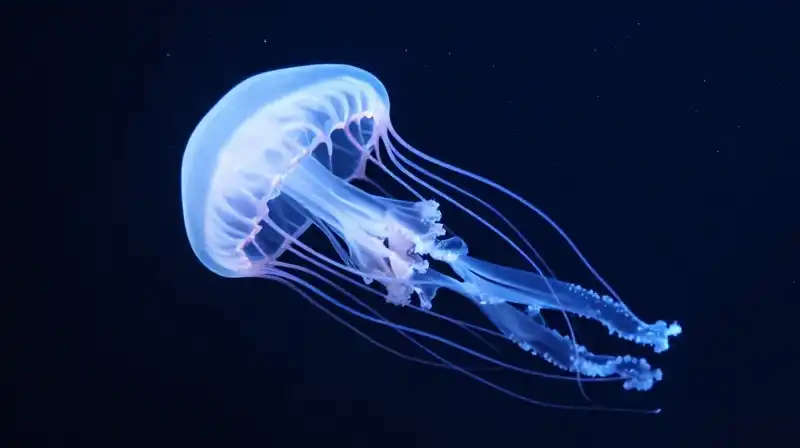
While the blue whale dominates in mass, the Lion’s mane jellyfish dominates in reach. According to their tentacles can grow to over 36 meters, a length that exceeds even a blue whale.
The Invisible Engine
While whales capture our imagination, the most vital marine life is often invisible to the naked eye. Diatoms, which are microscopic single-celled algae, are responsible for producing approximately 50% of the Earth’s atmospheric oxygen. This makes these tiny organisms as essential to terrestrial life as the vast forests of the continents.
Biological Wonders and Strange Adaptations
Evolution has gifted marine species with “superpowers” that allow them to thrive in niches that would be fatal to other animals. These adaptations range from unique blood chemistry to sensory capabilities that transcend sight.
| Species | Notable Adaptation | Scientific Context |
|---|---|---|
| Crocodile Icefish | Clear Blood | Lacks hemoglobin in adults to survive in high-oxygen, cold Southern Ocean waters. |
| Octopus | Complex Anatomy | Possesses three hearts, blue blood, and the ability to taste through its suction cups. |
| Nudibranch | Chemical Defense | Can incorporate stinging cells from its prey directly into its own skin. |
| Mudskipper | Amphibious Living | Possesses the ability to breathe and live on land for periods of time. |
Sensory Intelligence
Survival in the dark or murky depths requires more than just vision. Seals, for instance, utilize their whiskers to detect minute vibrations from swimming prey. This specialized tactile sensing is so effective that even blind seals in the wild can hunt successfully. Similarly, octopuses use their suction cups not just for grip, but for independent movement and taste, allowing them to “feel” their way through their environment.
Lifespan, Age, and Evolutionary History
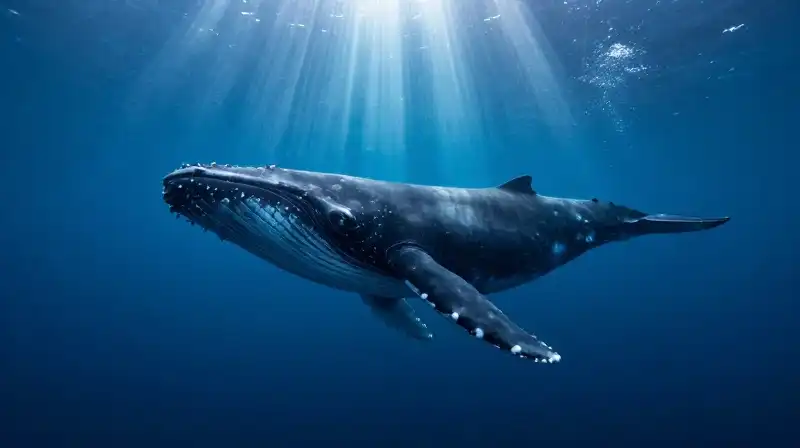
The ocean preserves history both in its fossil record and in the living bodies of its oldest inhabitants.
- Ancient Lineages: Sharks are an evolutionary success story, having existed since before the dinosaurs. Unlike most fish, their skeletons are composed of cartilage rather than bone.
- Long-lived Mammals: The bowhead whale holds the record for the longest-living mammal, with some individuals capable of living for over 200 years.
- Reading History: Scientists do not have to guess the age of many fish; they can estimate a fish’s age by examining the growth rings found on their scales or ear bones.
Social Dynamics and Behavior
Marine life is not merely a series of instinctive reactions; many species exhibit complex social behaviors and biological flexibility.
Some species engage in biological sex changes to maintain social hierarchies. For example, certain parrotfish are hermaphroditic; if a dominant male dies, a resident female will undergo a chemical transition to become a male. Even among predators, there is nuance. While sharks are often feared, species like the lemon shark have been observed forming bonds with human handlers, occasionally even displaying signs of jealousy during interactions with other sharks.
Understanding Marine Conservation
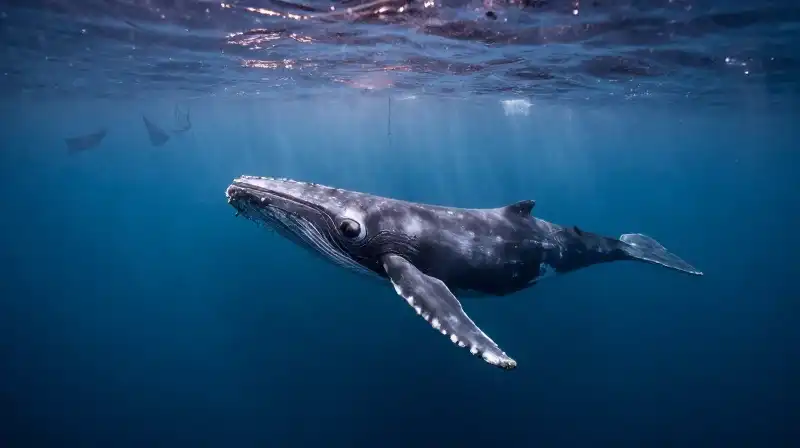
Many of the ocean’s most fascinating creatures are also its most vulnerable. Historical hunting practices and modern environmental pressures have left several species at risk.
The right whale is a poignant example of how human interaction shapes species history. They earned their name because they were historically considered the ”
Facts sourced from peer-reviewed marine biology research, NOAA, and the Smithsonian Ocean Portal. Our editorial team fact-checks all content against current scientific literature.
Related Articles