13 Fascinating Ocean Trivia Facts About Marine Life

Introduction
The ocean is a realm of extremes, where creatures defy our standard understanding of biology, physics, and time. From animals that have lived through centuries of human history to tiny crustaceans that can shatter the silence with a sonic boom, the marine world offers a scale of life that feels almost alien. Understanding these creatures requires looking past the surface to the specialized adaptations that allow them to thrive in high-pressure depths, vast migratory paths, and complex symbiotic relationships. This guide explores 13 fascinating ocean trivia facts that highlight the sheer diversity and extraordinary capabilities of marine life.
Giants of the Deep and High-Speed Hunters
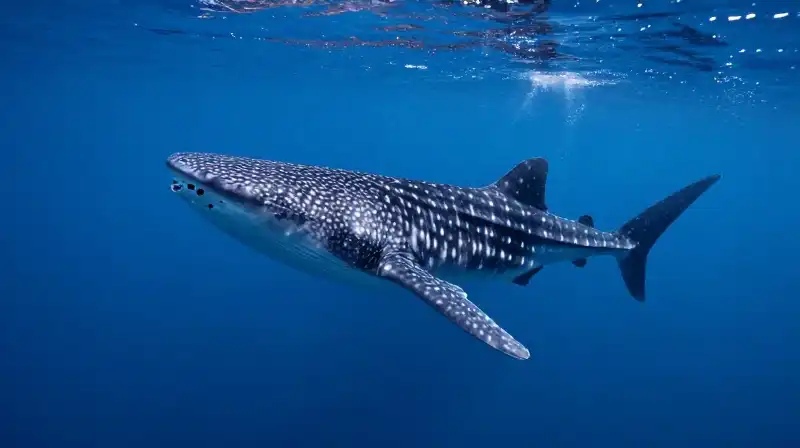
When discussing ocean trivia, scale is often the first thing that captivates the imagination. The difference between the largest mammal and the largest fish provides a clear picture of how life can vary across different biological classes.
The Scale of Marine Giants
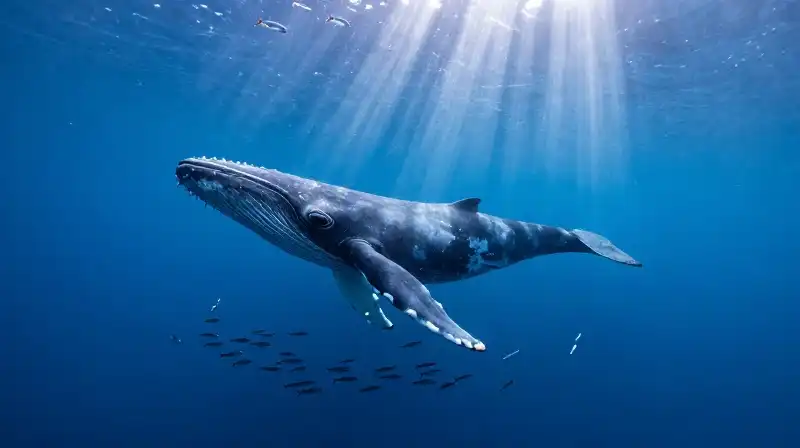
The blue whale holds the title of the largest animal to have ever lived on Earth. According to adult females can reach lengths of 100 feet and weigh as much as 200 tons—a mass roughly equivalent to 30 African elephants. However, while the blue whale dominates the mammalian world, it is surpassed in the fish category by the whale shark. As noted in the whale shark is the largest species of fish, growing up to 40 feet long and weighing approximately 20,000 pounds.
| Species | Category | Estimated Max Length | Notable Trait |
|---|---|---|---|
| Blue Whale | Mammal | 100 feet | Largest animal ever recorded |
| Whale Shark | Fish | 40 feet | Largest existing fish species |
| Leatherback Sea Turtle | Reptile | 10 feet | Massive annual migrations |
Record-Breaking Speed and Longevity
Speed and time are equally impressive metrics in the ocean. The sailfish is recognized as the fastest fish in the ocean, capable of reaching bursts of speed exceeding 68 miles per hour. In contrast to the high-energy life of the sailfish, the Greenland shark represents the extreme of longevity. Scientists have identified individuals aged 400 years, meaning some of these sharks were already alive during the reign of King James I.
Extraordinary Biology: Brains, Hearts, and Regeneration
Many marine animals possess anatomical features that seem to rewrite the rules of biology. These adaptations are often essential for survival in competitive or harsh environments.
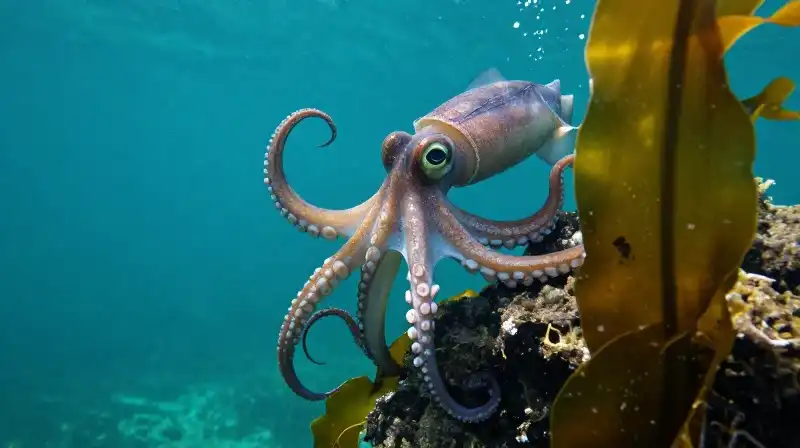
- The Octopus Nervous System: Octopuses possess a highly decentralized anatomy. They have one central brain to control the nervous system, but they also have a “mini-brain” in each of their eight arms. This allows the arms to act somewhat independently. Additionally, they utilize three hearts to manage their circulatory needs.
- Regenerative Abilities of Sea Stars: Often called starfish, sea stars have the remarkable ability to regenerate lost body parts, such as arms, if they are removed by a predator or through injury.
- Bioluminescence: In the dark reaches of the ocean, many animals produce their own light through a chemical process known as bioluminescence. This can be used for hunting, communication, or defense.
- The Pistol Shrimp’s Sonic Power: The pistol shrimp is a master of acoustic energy. It is capable of producing underwater noise as loud as 210 decibels, a feat achieved through a specialized claw.
Busting Common Marine Misconceptions
In the search for easy ocean trivia questions and answers, several common misunderstandings frequently arise. Clarifying these helps build a more accurate picture of marine ecology.
Arms vs. Tentacles
While people often use the terms interchangeably, there is a biological distinction between cephalopods. Octopuses are characterized by having eight arms, whereas other cephalopods, such as squid or cuttlefish, possess tentacles.
The “Roots” of Kelp
A common misconception is that kelp, the massive marine algae, has a root system similar to land plants. In reality, kelp uses specialized structures called holdfasts to secure itself to rocks or cobble; these do not function like roots for nutrient absorption in the same way terrestrial plants do.
Symbiosis and Vast Habitats
Survival in the ocean often depends on how species interact with one another and the scale of the environments they inhabit.
Symbiotic Partnerships: Some animals rely on mutualism to survive. A classic example is the relationship between anemones and clownfish. The anemone provides the clownfish with a safe, protected home, while the clownfish helps the anemone by cleaning it of debris.
Massive Migrations and Coastlines: Marine life is not stationary. Leatherback sea turtles are known for massive annual migrations that can exceed 10,000 miles. These journeys are made across vast stretches of coastline, such as those in Alaska, which possesses the most extensive oceanic coastline in the United States at 4,126 miles—more than all other U.S. state coastlines combined.
The Complexity of the Marine World
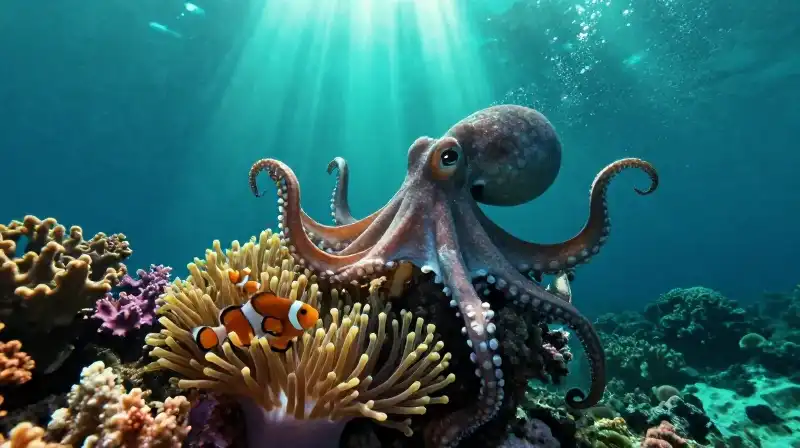
From the 210-decibel snap of a pistol shrimp to the 400-year lifespan of a Greenland shark, the ocean is defined by its diversity. These facts reveal that marine life is not just a collection of animals, but a complex web of specialized survivors. Whether through the independent intelligence of an octopus’s arms or the symbiotic cooperation between a clownfish and an anemone, the ocean demonstrates that there is no single way to master life under the sea.
Facts sourced from peer-reviewed marine biology research, NOAA, and the Smithsonian Ocean Portal. Our editorial team fact-checks all content against current scientific literature.
Related Articles