
10 Fascinating Facts About Sea Turtles and Their Survival

Introduction
Long before the first dinosaur roamed the Earth, sea turtles were already mastering the oceans. Having evolved approximately 110 million years ago, these ancient mariners outlived the dinosaurs by roughly 45 million years. Today, they remain one of the most recognizable and vital components of our marine ecosystems. While they might appear slow and ponderous to a casual observer, sea turtles are actually highly specialized athletes of the deep, possessing biological adaptations that allow them to traverse entire ocean basins.
10 Fascinating Facts About Sea Turtles
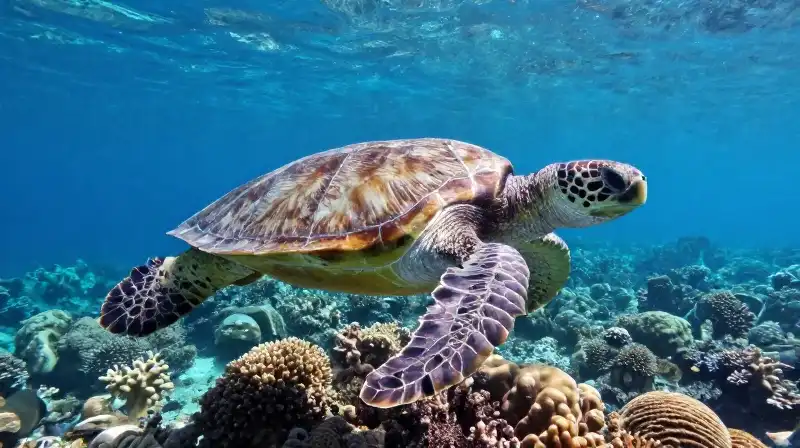
To understand why these creatures are so remarkable, we have to look past the shell. From their unique skeletal structures to the way they navigate the globe, every aspect of their biology is a feat of evolutionary engineering.
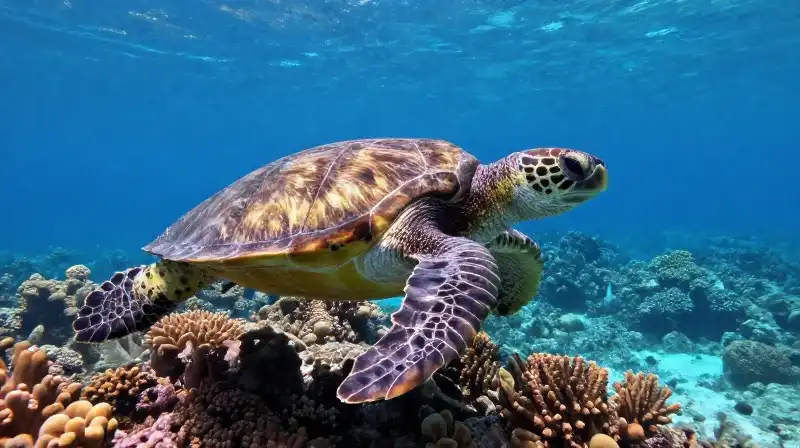
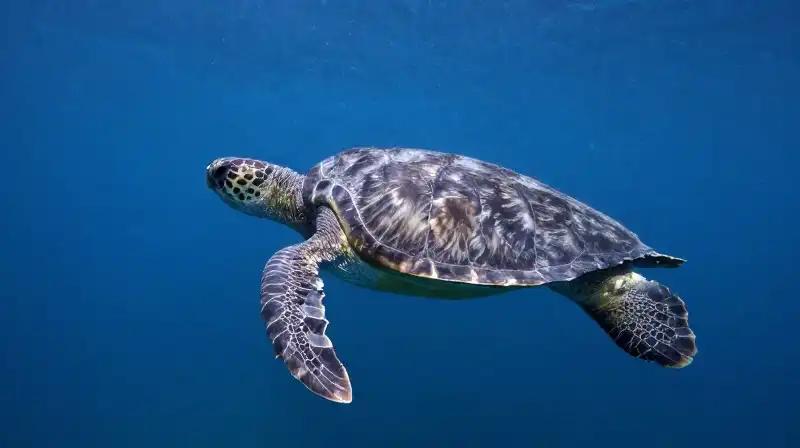
- Their shells are part of their skeleton. A turtle’s shell is not a separate piece of armor that it carries; it is an integral part of its body. The shell is composed of over 50 bones, including the spine and the rib cage.
- They sacrifice protection for speed. Unlike many land-dwelling turtle species, sea turtles cannot retract their heads or flippers into their shells. While this makes them more vulnerable to certain predators, this physical adaptation makes them much more agile and graceful swimmers.
- Temperature determines their sex. The gender of a sea turtle hatchling is decided by the sand temperature during incubation. Warmer temperatures (above 31ºC/87.8ºF) typically produce females, while cooler temperatures (below 27.5ºC/81.5ºF) produce males.
- They are master navigators. Sea turtles can travel thousands of miles across vast ocean basins by utilizing the Earth’s magnetic field and the position of the sun to guide their journeys.
- They practice “natal homing.” Many species exhibit an incredible sense of place, returning to the exact same beaches where they were hatched to lay their own eggs.
- Green sea turtles are mostly vegetarians. The Green sea turtle earns its name not just from its color, but from its diet. They are primarily herbivores, consuming seagrass and algae, which gives their fat and cartilage a distinct greenish tint.
- Leatherbacks are deep-sea specialists. The leatherback sea turtle is a world-class diver, capable of reaching depths of nearly 4,000 feet. They are also endurance champions; one recorded migration spanned 12,774 miles from Indonesia to Oregon.
- Some nest in massive groups. Species like the Kemp’s ridley and olive ridley engage in a behavior known as “arribadas.” During these events, large groups of females arrive on the beach to nest en masse within a few short hours.
- They have unique facial “fingerprints.” Scientists can identify and track individual sea turtles by studying the specific, unique patterns of scales on their faces.
- The survival rate is incredibly low. Despite being long-lived animals—with some individuals living between 50 and 70 years in the wild—the journey from egg to adult is perilous. It is estimated that only 1 in 1,000 hatchlings will actually reach adulthood.
Comparing Sea Turtle Varieties
While all sea turtles share certain traits, they differ significantly in their physical makeup. There are seven distinct species of sea turtles in total.
| Feature | Hard-Shelled Species (Cheloniidae family) | Leatherback Sea Turtle |
|---|---|---|
| Shell Composition | Hard, bony plates | Soft, leathery skin |
| Species Count | Six species | One species |
| Primary Advantage | Structural protection | Deep-diving capability and flexibility |
A Species Under Pressure
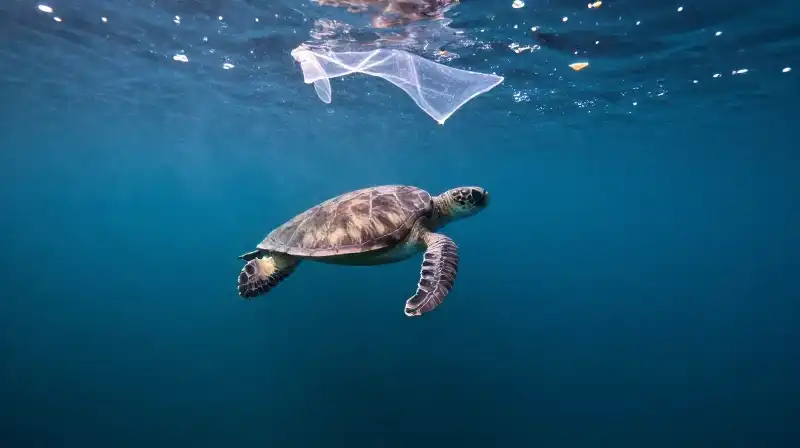
While sea turtles are resilient survivors of prehistoric eras, they face unprecedented challenges in the modern world. All seven species are currently threatened with extinction to varying degrees. These threats are largely driven by human activity, including:
- Plastic pollution: Ingesting debris that mimics food sources.
- Climate change: Shifting sand temperatures that can disrupt the balance of male and female hatchlings.
- Fisheries bycatch: Accidental capture in commercial fishing gear.
- Habitat loss: The destruction of nesting beaches due to coastal development.
Common Questions About Sea Turtles
What are some sad facts about sea turtles?
The most sobering reality for sea turtles is the extreme difficulty of their early life cycle. Because of high predation and environmental hazards, only about 1 in 1,000 eggs ever makes it to adulthood. Additionally, the current extinction threat facing all seven species due to human-related factors like plastic pollution and habitat loss is a significant concern for marine biologists.
Why Sea Turtles Matter
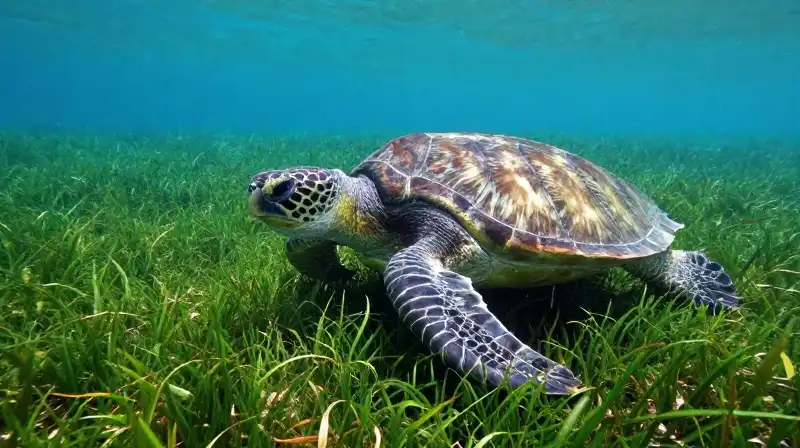
Sea turtles are more than just ancient relics of a bygone era; they are active, essential participants in the health of our oceans. Their grazing helps maintain seagrass beds, and their migratory patterns connect distant parts of the globe. Understanding their biology—from the way their shells are built to the way temperature dictates their very gender—reveals a level of complexity that makes them one of the most fascinating subjects in marine biology. Protecting them is not just about saving a single species, but about preserving the ancient, interconnected rhythms of the sea.
Facts sourced from peer-reviewed marine biology research, NOAA, and the Smithsonian Ocean Portal. Our editorial team fact-checks all content against current scientific literature.
Frequently Asked Questions
What are some sad facts about sea turtles?
Only about 1 in 1,000 hatchlings survive to reach adulthood due to high predation and environmental hazards. Additionally, all seven species are currently threatened with extinction due to human-related factors such as plastic pollution and habitat loss.
Related Articles