5 Fascinating Facts About Great White Sharks

Introduction
The great white shark is perhaps the most misunderstood icon of the open ocean. Often cast as a cinematic monster, these apex predators are actually highly sophisticated biological machines, finely tuned by millions of years of evolution to dominate cool coastal waters. Far from being mindless hunters, they possess sensory systems and physiological traits that allow them to navigate and thrive in environments that would be lethal to many other species. Understanding the great white requires looking past the teeth to the complex biology that makes them one of the ocean’s most remarkable inhabitants.
5 Fascinating Facts About Great White Sharks
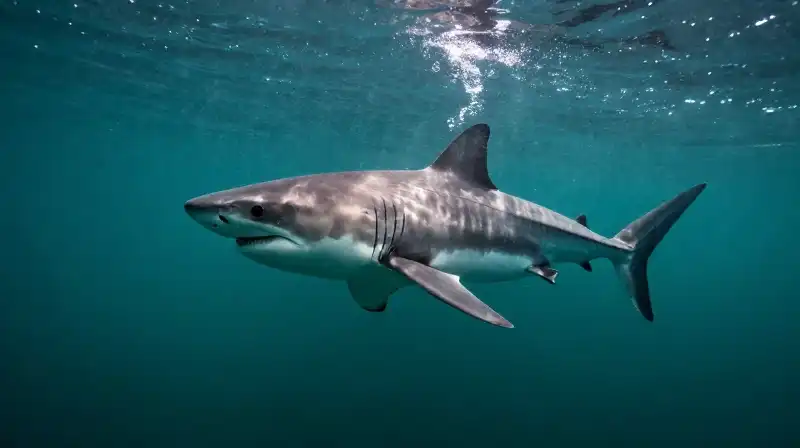
While there are countless interesting details about this species, these five core characteristics define what makes the great white shark a true marvel of marine biology.
- They are highly efficient “warm-blooded” hunters. Most sharks are ectothermic, or cold-blooded, meaning their body temperature matches the surrounding water. However, great whites are endothermic, meaning they can maintain internal body temperatures warmer than the ocean around them. This metabolic advantage allows them to remain incredibly active and maintain high speeds even when hunting in colder, deeper waters where other predators might slow down.
- They utilize advanced sensory “sixth senses.” Beyond a sense of smell that can detect a single drop of blood in 100 liters of water or locate a seal colony from two miles away, great whites use specialized organs called the ampullae of Lorenzini. These are tiny pores located on the nose and jaws filled with conductive jelly, allowing the shark to detect the minute electromagnetic fields generated by the muscle movements of living prey.
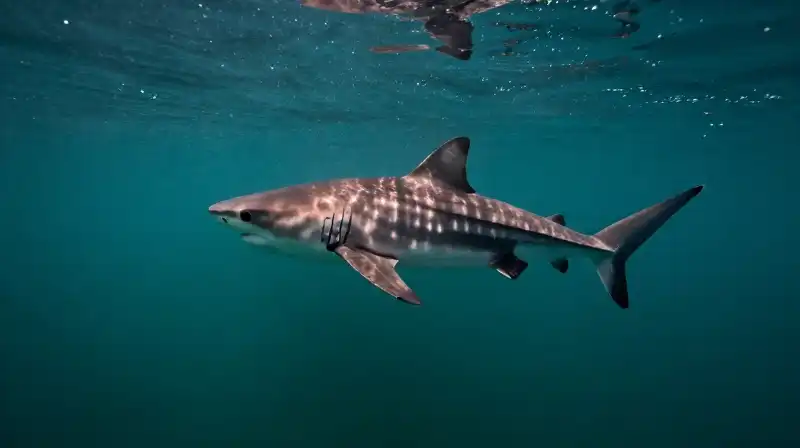
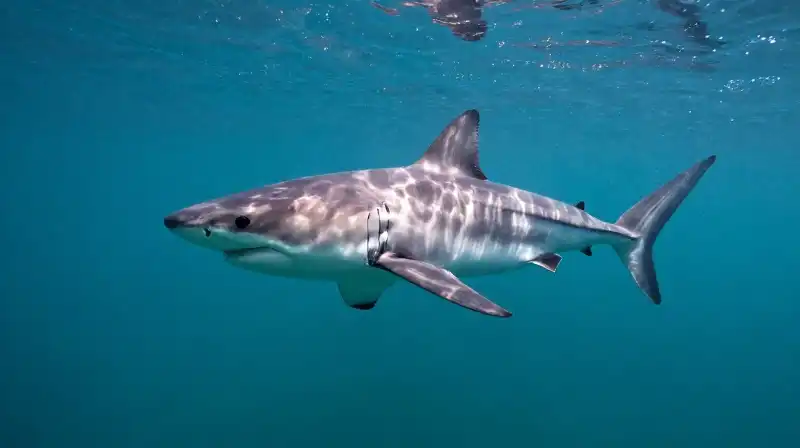
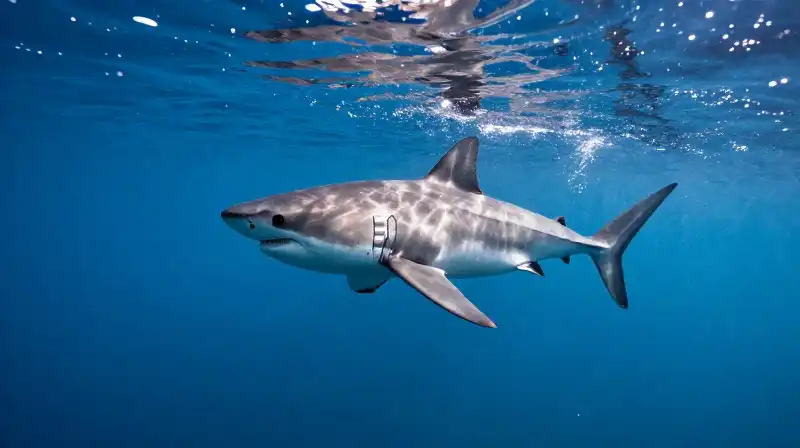
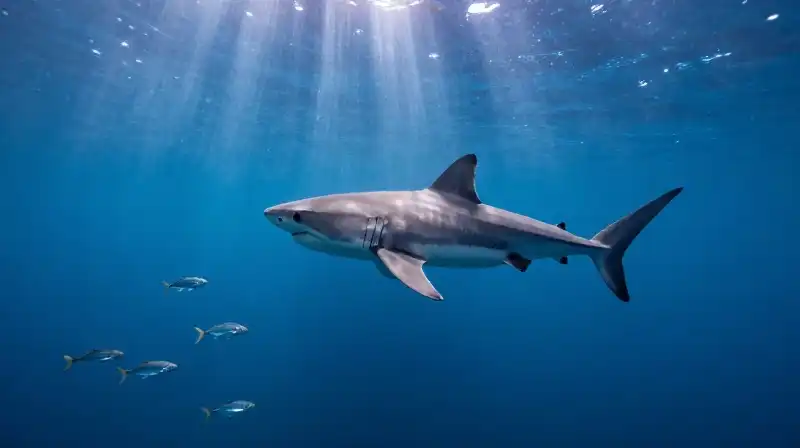
- Their camouflage is built into their color pattern. Great whites employ a technique known as countershading to remain nearly invisible to prey. Their dark grey tops blend in with the rocky or murky seafloor when viewed from above, while their stark white underbellies mimic the sunlight filtering down from the surface when viewed from below.
- They are born ready to hunt. Great white sharks do not go through a vulnerable “juvenile” stage in the way many animals do; they are born as fully capable hunters, measuring between four and five feet long at birth. Interestingly, their development in the womb is intensely competitive; embryos may engage in a survival-of-the-fittest process by consuming unfertilized eggs or even smaller, weaker siblings.
- They possess incredible speed and power. These sharks are capable of short, explosive bursts of speed exceeding 60km per hour or 35mph. They often use this momentum for a hunting tactic called “breaching,” where they swim upward from the depths with such force that they burst completely out of the water to surprise unsuspecting prey.
Size and Physical Capabilities
To understand the scale of these predators, it helps to look at their physical dimensions and the specialized tools they use to hunt. While the average length for a great white is roughly 4.6 meters (14.7 feet), individuals can grow significantly larger.
| Feature | Description/Measurement |
|---|---|
| Average Length | Approximately 4.6 meters (14.7 feet) |
| Largest Recorded Female | Over 20 feet long (nicknamed “Deep Blue”) |
| Dental Capacity | Up to seven rows of approximately 300 sharp, triangular teeth |
| Top Speed | Over 60km per hour (35mph) in short bursts |
Busting the “Man-Eater” Myth

Popular media often portrays great white sharks as aggressive hunters of humans, but scientific evidence suggests a different reality. Researchers believe that unprovoked attacks on humans are quite rare. In many documented cases, what is perceived as an attack is actually a “sample bite”—a cautious, curious investigation where the shark bites to sense the object, rather than an attempt to consume a human as food.
It is also worth noting that even as apex predators, great whites are not at the top of every food chain. They have a natural predator in the orca (killer whale). Studies have shown that great white sharks may actually flee their usual hunting grounds for as long as a year if orcas are detected in the area.
Conservation and Environmental Challenges
Despite their power, great white sharks are not invincible. They are currently listed as a vulnerable species on the IUCN Red List. Their populations face significant pressure from human activities, most notably overfishing and illegal hunting.
Additionally, because they sit at the top of the food web, they are subject to bioaccumulation. This means they consume prey that may have absorbed heavy metals, leading to high levels of mercury and arsenic in their blood. While they do not currently show symptoms of heavy metal poisoning, this accumulation is a key factor in monitoring their long-term health and the health of the ocean ecosystems they inhabit.
The Importance of the Great White
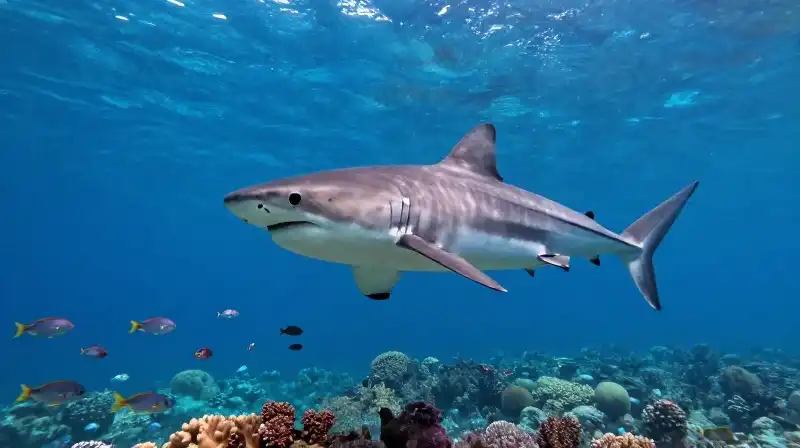
The great white shark is far more than a creature of fear; it is a vital component of marine ecosystem health. As apex predators, they help regulate prey populations, ensuring a balanced and functional ocean environment. Their complex biology—from their electromagnetic sensing to their unique thermoregulation—serves as a testament to the incredible diversity and sophistication of life in the deep sea. Protecting these sharks is not just about saving a single species, but about maintaining the stability of the vast, interconnected oceans they call home.
Facts sourced from peer-reviewed marine biology research, NOAA, and the Smithsonian Ocean Portal. Our editorial team fact-checks all content against current scientific literature.
Related Articles