Strange Facts About the Ocean and Its Most Bizarre Creatures

Introduction
The ocean is the largest habitat on our planet, covering approximately 70% of the Earth’s surface and holding about 96.5% of all the world’s water. Despite its massive scale, our understanding of it is surprisingly limited; humans have explored only about 5% of the ocean, leaving the vast majority of the deep sea as a frontier of mystery. From the sunlit surface to the crushing depths of the Mariana Trench—which reaches 11km down—the marine world operates by a set of biological rules that often seem more like science fiction than reality.
The Scale and Mechanics of the Deep
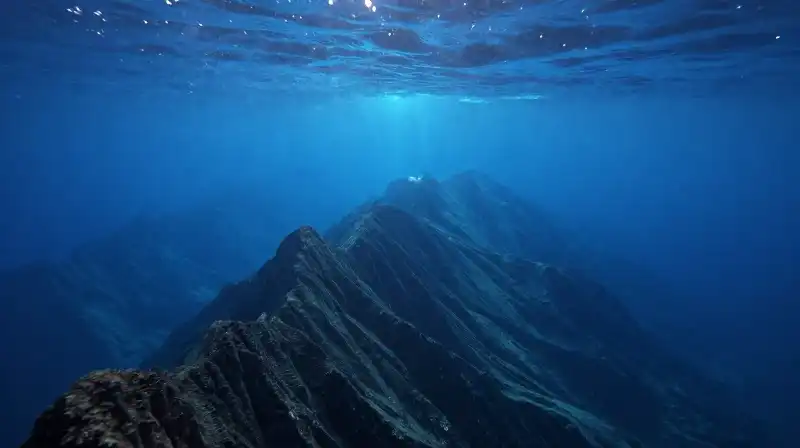
To understand why marine life is so diverse, one must first understand the environment. The ocean is not just a flat expanse of water; it is a complex landscape of mountains and valleys. The Mid-Oceanic Ridge, for example, is a continuous underwater mountain chain stretching over 56,000km, making it the longest mountain range on Earth.
The ocean also serves as a vital life-support system for the planet. It is responsible for producing roughly 70% of the oxygen we breathe. However, this system is sensitive to temperature shifts. While sea levels were 400 feet lower during the last ice age when glaciers covered a third of the Earth’s land, modern rising temperatures are causing levels to climb. This occurs because as the ocean absorbs heat, the water physically expands, increasing its total volume.
Strange Facts About the Ocean and Its Most Bizarre Creatures
Evolution in the ocean has produced some of the most specialized and unexpected survival strategies on Earth. Below are some of the most remarkable examples of marine adaptation.
Biological Oddities and Superpowers
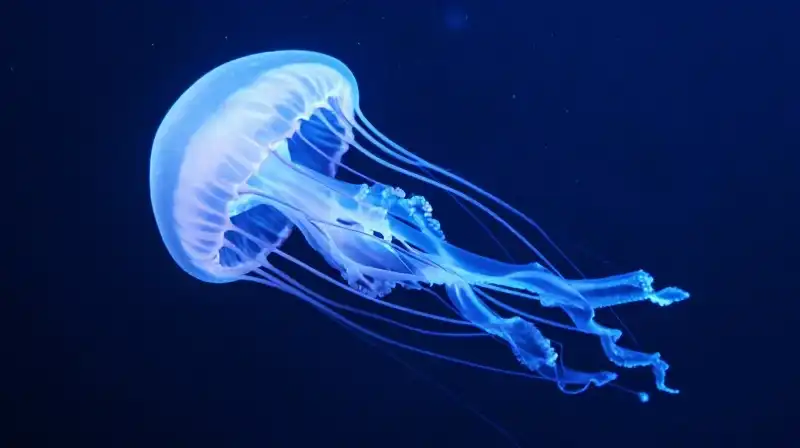
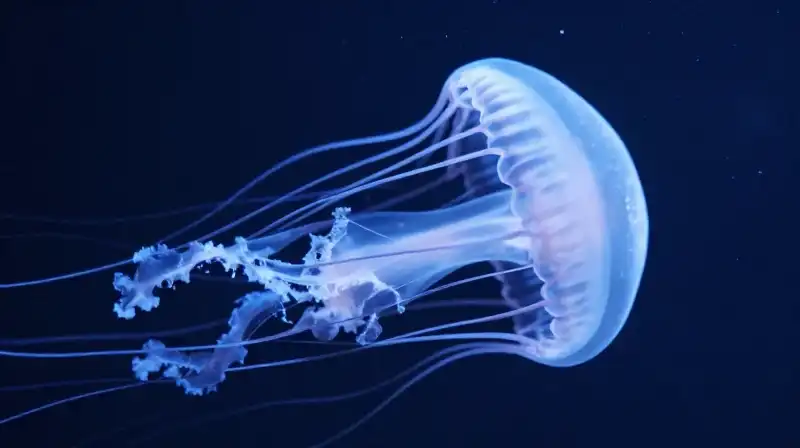
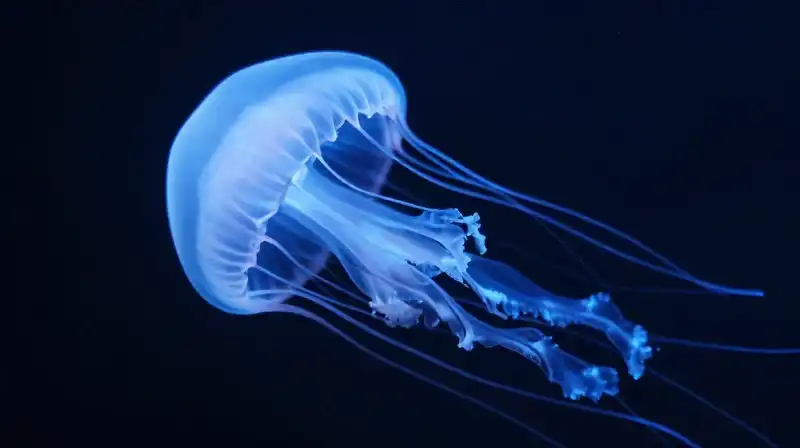
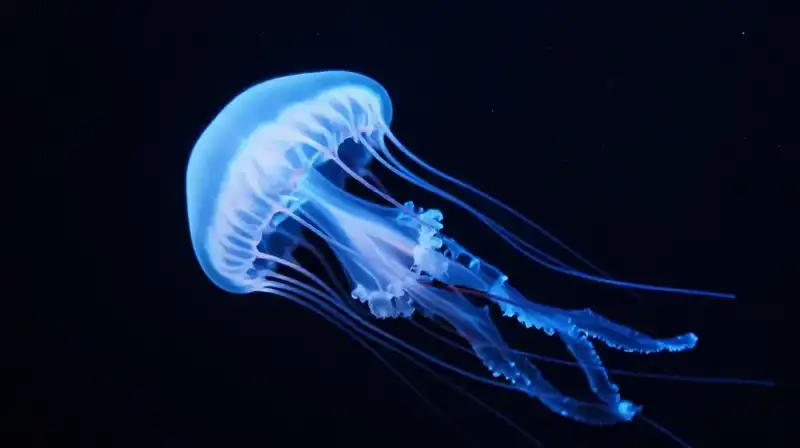
- The “Immortal” Jellyfish: The Turritopsis dohrnii possesses a unique biological mechanism that allows it to revert from a mature state back to its younger polyp form, effectively bypassing death through aging.
- The Pistol Shrimp: This small crustacean wields a specialized claw that creates bubbles traveling at 60 miles per hour. When these bubbles collapse, they produce a sound reaching 210 decibels—significantly louder than a standard gunshot.
- Walking Sharks: While most sharks are built for constant swimming, nine species of epaulette sharks have evolved reinforced pelvic and pectoral fins. This allows them to “walk” across the seafloor and survive in varied environments.
- Self-Regenerating Sea Slugs: Certain species of sea slugs have the extreme ability to decapitate themselves to facilitate the regrowth of their bodies.
Specialized Adaptations for Survival
Living in extreme environments—from salt-heavy shores to dark, volcanic vents—requires highly specific physical traits.
| Creature | Unique Feature | Biological Function |
|---|---|---|
| Narwhal | Long, sensitive tusk | A single, highly specialized tooth used to assist in stunning prey. |
| Yeti Crab | Blonde, hair-like setae | Bristles used to harvest bacteria for food near thermal vents. |
| Marine Iguana | Salt-excreting nasal glands | Allows them to sneeze out excess salt, often leaving a crust on their heads. |
Common Questions About the Deep
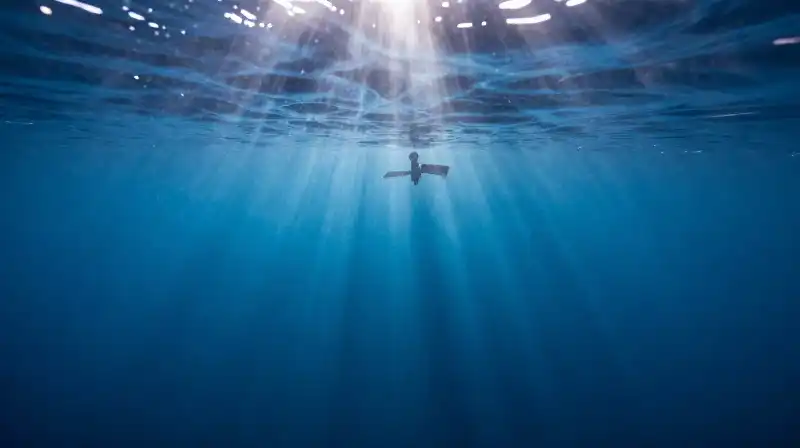
Because so much of the ocean remains unexplored, it often becomes the subject of curiosity and speculation. Below are answers to common questions regarding the marine environment.
What did NASA find in the sea?
While various missions involving satellite technology and underwater robotics are conducted, there is no scientific evidence of NASA finding extraterrestrial life or anomalous objects in the ocean. NASA’s primary interest in the ocean involves using satellite data to monitor sea-level rise, ocean temperatures, and the health of marine ecosystems to better understand climate change.
The Importance of Marine Exploration
The “strange” nature of these creatures is not merely a collection of trivia; it is a testament to the incredible resilience and ingenuity of life. Whether it is the ability of a jellyfish to reset its life cycle or a shark that can navigate the seafloor on fins, these adaptations highlight how life thrives in even the most extreme conditions. Understanding these bizarre behaviors and the massive, shifting geography of the Pacific Ocean and beyond is essential as we face the challenges of a changing climate and the need for marine conservation.
Facts sourced from peer-reviewed marine biology research, NOAA, and the Smithsonian Ocean Portal. Our editorial team fact-checks all content against current scientific literature.
Frequently Asked Questions
What did NASA find in the sea?
There is no scientific evidence of NASA finding extraterrestrial life or anomalous objects in the ocean. NASAs primary interest involves using satellite data to monitor sea-level rise, ocean temperatures, and marine ecosystem health.
Related Articles