12 Fascinating Facts About Lemon Sharks: The Oceans Sea Puppies

Introduction
In the world of apex predators, sharks often carry a reputation for mindless aggression. However, the lemon shark (Negaprion brevirostris) breaks this mold entirely. Often affectionately nicknamed “sea puppies” or the “golden retrievers of the ocean,” these sharks are celebrated by divers for their inquisitive and social personalities. Rather than being solitary wanderers, lemon sharks exhibit complex intelligence and social structures that mirror the cooperative dynamics seen in wolf packs. Understanding these animals requires looking past the sharp teeth to see a highly specialized, social, and ecologically vital member of the marine community.
Physical Profile and Specialized Senses
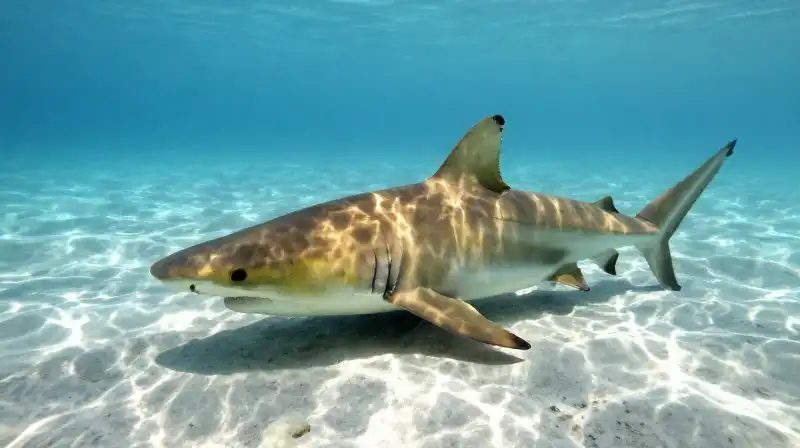
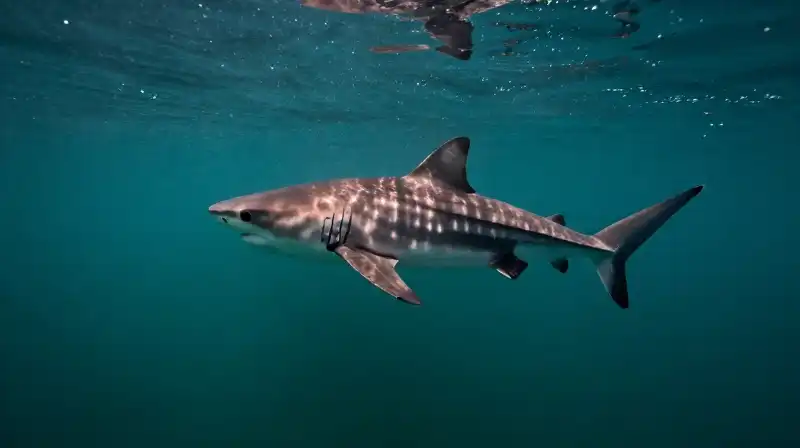
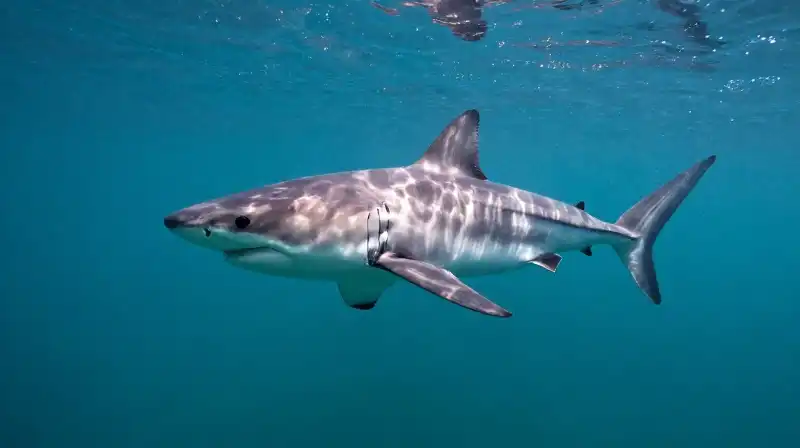
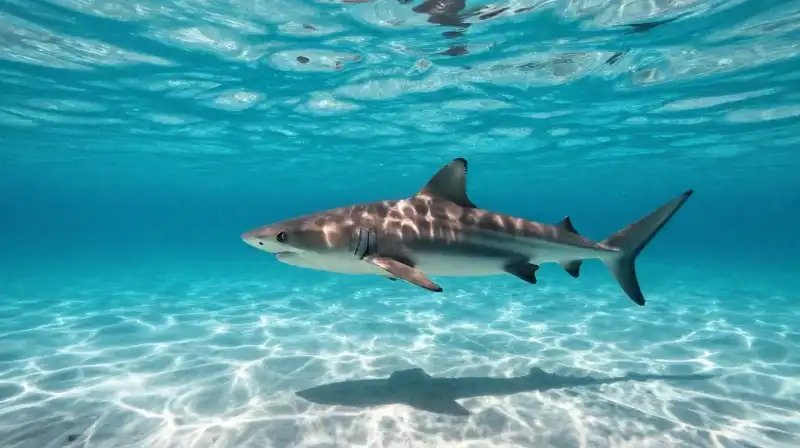
The lemon shark is built for life on the sandy bottom of coastal waters. Their namesake comes from their distinctive yellowish-brown skin, which serves as a highly effective camouflage against the seafloor.
Anatomy and Size
Physically, they possess a broad head, a flattened body shape, and a relatively short snout. While size can vary based on environment and age, adults generally reach impressive proportions:
| Feature | Typical Measurement/Value |
|---|---|
| Average Adult Length | 8–10 feet |
| Typical Adult Weight | 500–551 lbs |
| Body Shape | Flattened and broad |
Sensory Superpowers
To thrive in often murky coastal environments, lemon sharks have evolved sophisticated sensory tools that allow them to hunt and navigate with precision.
- Advanced Vision: Their eyes contain both rods and cones, with a retina specifically specialized to enhance vision within the yellow-green light spectrum. This allows them to see clearly even when light is filtered through sediment-heavy water.
- Elite Olfaction: Their sense of smell is profoundly sensitive. They are capable of detecting chemical traces—such as tuna juice—at a concentration of just 1 part in 25 million.
12 Fascinating Facts About Lemon Sharks
- They are highly social: Unlike many shark species that prefer solitude, lemon sharks display complex group dynamics, including dominance hierarchies and cooperation.
- They can rest on the seafloor: While some sharks must swim constantly to push oxygenated water over their gills, lemon sharks have the ability to rest on the seabed.
- They are “live bearers”: Lemon sharks are viviparous, meaning they give birth to live young rather than laying egg cases.
- Large litters: A single mother has the potential to produce up to 17 pups at once.
- Mangrove nurseries: After birth, pups often seek refuge in shallow mangrove forests. These areas act as nurseries, providing rich nutrients and protection from larger predators until the pups are strong enough for deeper waters.
- Opportunistic hunters: They play a vital role in maintaining ecosystem balance by consuming a wide variety of prey, including bony fish, rays, crustaceans, and cephalopods.
- Territorial tendencies: While social, they are often noted for being loyal to their specific home ranges (Competitor Snippet).
- Low human conflict risk: Despite their predatory nature, they are generally not considered a significant threat to humans; there have been only 10 confirmed instances of bites, none of which were fatal.
- Camouflage specialists: Their yellowish hue isn’t just for show; it allows them to blend seamlessly into sandy habitats, making them nearly invisible to both prey and predators.
- Complex social intelligence: Their ability to form social bonds and interact within a hierarchy suggests a level of intelligence higher than many people realize.
- Flexible juveniles: Younger lemon sharks exhibit incredible physical flexibility, sometimes even capable of biting their own tails (Competitor Snippet).
- Ecosystem keystones: By regulating the populations of rays and smaller fish, they ensure that no single species dominates the coastal reef ecosystem.
Conservation and Environmental Status
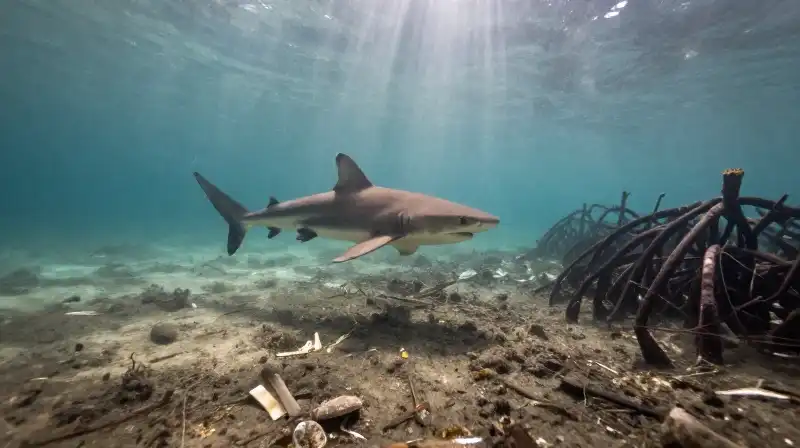
Despite their adaptability and intelligence, lemon sharks face significant challenges in the modern ocean. They are currently considered an endangered species. The primary drivers of this decline include:
- Habitat Loss: The destruction of coastal areas and mangrove nurseries directly impacts their ability to breed and raise young.
- Overfishing: They are targeted for their meat and their skin, which is used to produce leather.
The Importance of the Sea Puppy
The lemon shark is much more than a simple predator; it is a social, intelligent, and highly specialized inhabitant of our coastal waters. From their ability to “nap” on the ocean floor to their complex social hierarchies, they represent the nuanced reality of marine biology—where even a shark can be a “sea puppy” with a role as vital as it is fascinating. Protecting their habitats, particularly the mangrove nurseries, is essential not just for the survival of this species, but for the stability of the entire marine ecosystem they help maintain.
Facts sourced from peer-reviewed marine biology research, NOAA, and the Smithsonian Ocean Portal. Our editorial team fact-checks all content against current scientific literature.
Related Articles