Basking Shark Fun Facts: Size, Feeding Habits, and Myths

Introduction
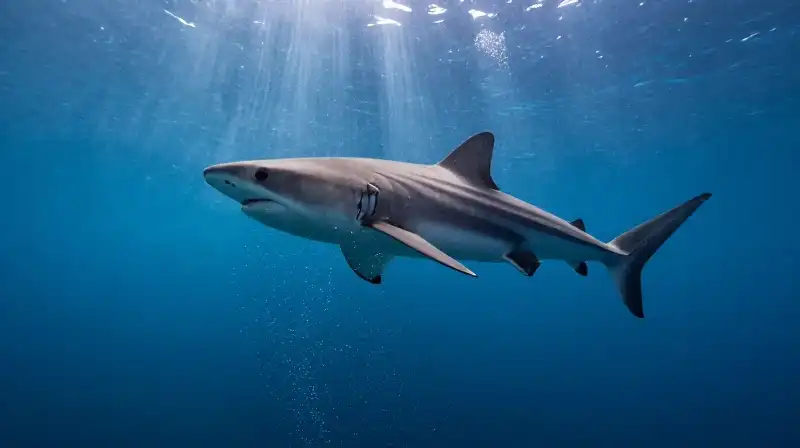
Imagine a shadow drifting through the twilight of the ocean, a creature so large it rivals the size of a school bus. This is the basking shark, a gentle giant that commands respect not through aggression, but through its sheer, massive scale. As the second largest fish in the world, it occupies a unique niche in the marine ecosystem, acting as a living filter that cleanses the water as it moves. While its size might suggest a formidable predator, the basking shark is actually a peaceful specialist, dedicated to a life of slow-moving elegance and constant feeding.
Understanding the Scale of a Giant

To grasp the true presence of a basking shark, one must look at its dimensions. While they are often described in broad terms, their size can vary significantly based on the individual and the specific measurements taken by researchers.
| Attribute | Estimated Measurement | Source Context |
|---|---|---|
| Average Length | 20 to 26 feet | General range |
| Maximum Length | Up to 40 feet (12.2 meters) | |
| Typical Weight | ~8,500 pounds (4.5 tons) | |
| Maximum Weight | Up to 7 tons |
Even though they are massive, they are not the largest fish in the ocean; that title belongs to the whale shark. However, the basking shark’s ability to reach lengths of 40 feet makes it a truly awe-inspiring sight for anyone lucky enough to encounter one in the wild.
Basking Shark Fun Facts: Behavior and Biology
Beyond their impressive size, these sharks possess several unique biological traits that define their lifestyle in the open ocean.
- A specialized diet: Unlike many of their relatives, basking sharks are filter-feeders. They consume zooplankton, tiny drifting organisms that form the base of the marine food web.
- The “Super-Filter” mechanism: To feed, they open an enormous mouth that can reach widths of 3 to 4 feet. As water passes through their five gill slits, highly developed gill rakers catch the plankton. They are incredibly efficient, capable of filtering over half a million gallons (two million liters) of water every single hour.
- Vertical and horizontal travelers: These sharks are highly migratory. They follow plankton supplies between northern and southern waters and perform vertical migrations, moving from the surface to depths exceeding 4,000 feet.
- Seasonal socialites: While they are often solitary or seen in pairs, they can become social during certain times of the year, forming large groups of 100 or more individuals during the summer.
- Unexpected acrobatics: Despite being slow swimmers—averaging only 1.9 to 2.4 mph—they are capable of breaching. These vertical leaps out of the water may be a way to remove parasites or a method of communication.
Why is it called a basking shark?
The name is actually a common misconception. When early observers saw these sharks floating near the ocean surface, they assumed the animals were “basking” in the sunlight, much like a reptile might. In reality, they aren’t sunbathing; they are simply swimming near the surface to take advantage of the high concentrations of zooplankton found there.
Life Cycles and Scientific Uncertainties
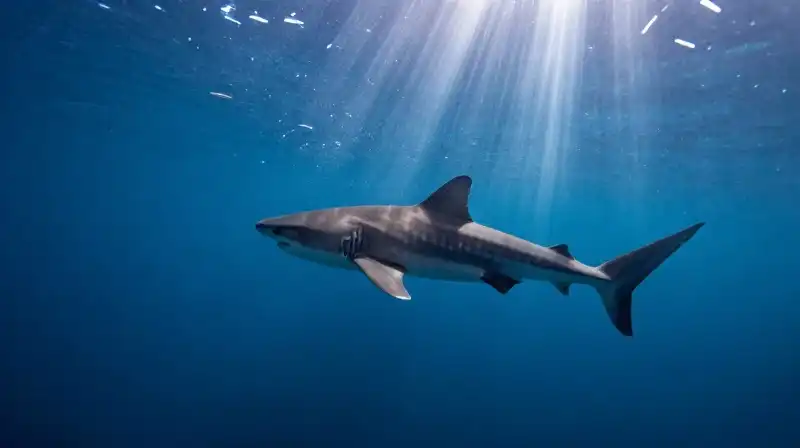
One of the reasons basking sharks are so vulnerable is that we are still learning the specifics of how they grow and reproduce. Because they are long-lived and slow-growing, their population dynamics are complex. For example, scientific estimates regarding their gestation period vary; while some researchers suggest a one-year period, others believe it could take between two and three years.
Conservation Status and Threats
The basking shark is currently listed as endangered on the IUCN Red List. Their biological makeup—specifically their long life cycles and slow reproductive rates—makes it very difficult for their populations to recover once they decline.
Several human-related factors contribute to their declining numbers:
- Historical hunting: They were previously targeted for their fins and oil.
- Bycatch: Because they are large and move through various ocean layers, they are frequently caught accidentally in fishing nets.
- Boat collisions: Because they feed at the ocean’s surface, they are at a higher risk of being struck by vessels.
A Vital Component of the Deep
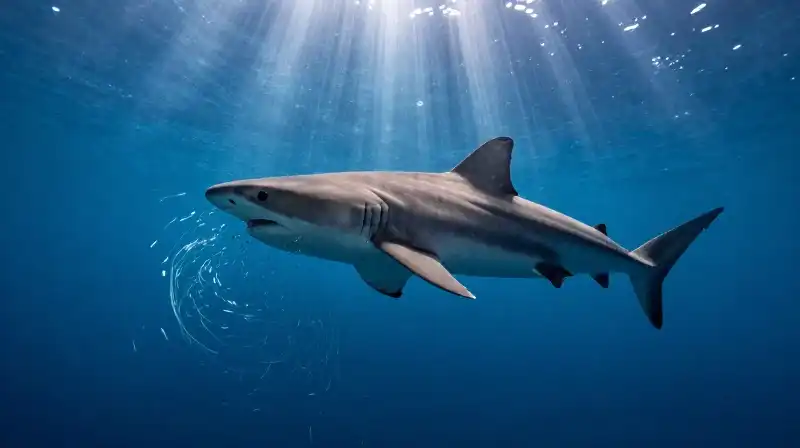
The basking shark is more than just a biological marvel of size and scale; it is a vital link in the ocean’s nutrient cycle. By migrating through vast depths and filtering enormous quantities of water, they play a significant role in the health of the marine environment. Understanding their habits and protecting them from accidental harm is essential for maintaining the delicate balance of our oceans.
Facts sourced from peer-reviewed marine biology research, NOAA, and the Smithsonian Ocean Portal. Our editorial team fact-checks all content against current scientific literature.
Frequently Asked Questions
Why is it called a basking shark?
The name is a common misconception based on early observers assuming the sharks were basking in the sunlight. In reality, they are simply swimming near the surface to feed on high concentrations of zooplankton.
Related Articles