15 Fascinating Facts About Hammerhead Sharks and Their Cephalofoil

Introduction
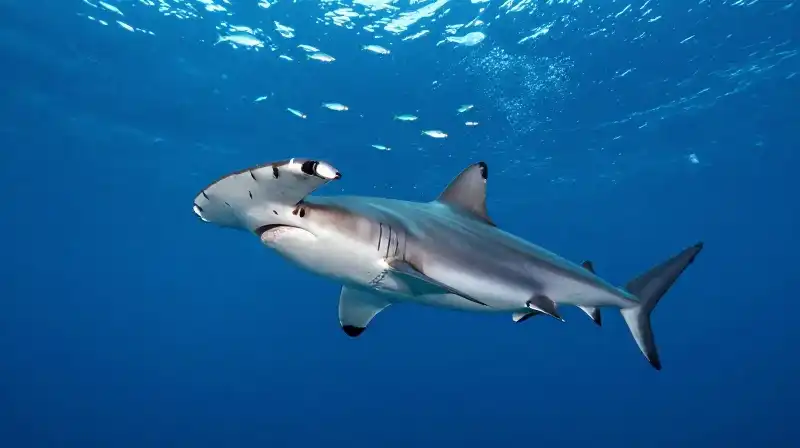
At first glance, the silhouette of a hammerhead shark looks like something plucked from a science fiction novel. That wide, flattened head is not a biological accident; it is a highly specialized piece of evolutionary engineering. Known scientifically as a cephalofoil, this structure fundamentally changes how the shark perceives, hunts, and moves through the ocean. While many people view hammerheads through a lens of fear, understanding the mechanics of their unique anatomy reveals a sophisticated predator perfectly tuned to its environment.
The Science of the Cephalofoil
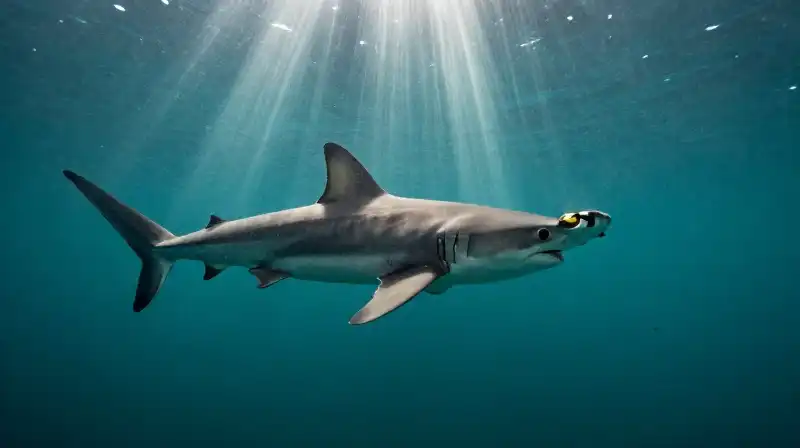
The hammer-shaped head serves far more than just aesthetic purposes. It acts as a multi-tool for survival, enhancing nearly every sensory input the shark receives. According to the cephalofoil provides several critical evolutionary advantages:
- Enhanced Vision: Because their eyes are positioned at the far edges of the head, hammerheads enjoy a 360-degree range of vision. This allows them to scan the water column above and below them simultaneously, though it does create a specific blind spot directly in front of their snout.
- Superior Depth Perception: The wide spacing of the eyes provides exceptional binocular vision, helping the shark judge distances with extreme accuracy when lunging for prey.
- Advanced Navigation: The shape of the head assists in hydrodynamic stability and maneuverability, acting somewhat like the wings of an airplane to help the shark navigate complex underwater terrain.
- Electrical Detection: Hammerheads possess a higher concentration of electroreceptors than most other shark species. These sensors allow them to detect the faint electrical pulses emitted by the muscle movements of living creatures, making it much easier to find hidden prey.
15 Fascinating Facts About Hammerhead Sharks
To understand the complexity of these animals, we have to look beyond their unusual heads. From their surprising reproductive methods to their social structures, here are the details that make hammerheads unique.
- They are “modern” sharks: While some shark lineages have existed for over 400 million years, hammerheads are relatively new to the evolutionary stage, appearing only about 20 to 25 million years ago.
- Brain power: Anatomically, hammerheads possess larger-than-average brains relative to their body size when compared to other shark species.
- Extreme sizes: Hammerhead species vary significantly in scale. While smaller species exist, the largest can reach impressive lengths of 13 to 20 feet.
- High-speed swimmers: These are active hunters capable of reaching speeds between 20 and 25 miles per hour.
- Social schooling: Unlike many solitary shark species, hammerheads often travel in massive daytime schools that can include up to 500 individuals.
- Nighttime solitude: While they congregate in large groups during the day, they often split into smaller groups or hunt alone at night.
- Live birth: Unlike many fish that lay eggs, hammerheads give birth to live young, which are referred to as pups.
- “Virgin births”: In certain species, such as the bonnethead, females are capable of parthenogenesis—a process where they can fertilize their own eggs without a male.
- Stingray specialists: They have evolved to be highly efficient at hunting stingrays, even developing a biological tolerance to stingray barbs.
- Physical tools: They don’t just use their senses to hunt; they use their heads as physical tools to ram and pin stingrays against the seafloor to exhaust them.
- Scarred hunters: Because of their diet, it is common to find hammerheads with fragments of stingray barbs embedded in their skin.
- Changing skin tones: Some species can actually develop a “tan.” When spending time in shallower waters, their skin can shift from light grey or brown to a darker grey or black.
- Low human conflict: Despite their predatory reputation, there have been very few recorded attacks on humans by the great hammerhead.
- Threatened populations: Most hammerhead species are currently facing threats or are classified as critically endangered due to human activities.
- Wide-ranging habitats: They occupy various niches, from shallow coastal waters to the edges of the continental shelf.
Size and Speed Comparison
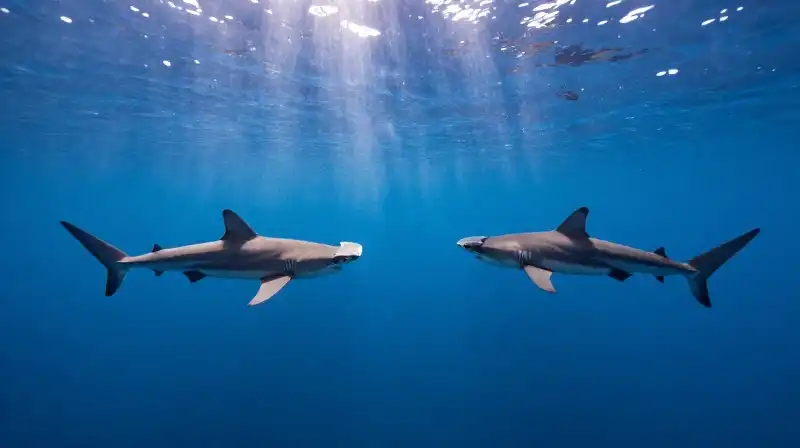
Because “hammerhead” refers to a group of several different species, their physical capabilities vary. Use the table below to see how they generally compare.
| Feature | General Characteristics |
|---|---|
| Max Length | Up to 13–20 feet (depending on species) |
| Top Speed | 20–25 miles per hour |
| Social Behavior | Large schools (up to 500) during the day |
| Primary Diet | Fish, octopus, and stingrays |
Common Questions About Hammerheads
What do hammerhead sharks eat?
Hammerheads are opportunistic predators. Their diet primarily consists of small fish, octopus, and stingrays. Their specialized cephalofoil and high density of electroreceptors make them particularly effective at hunting stingrays that hide beneath the sand (Competitor Snippet data).
Why are hammerhead sharks endangered?
The primary driver for the decline of hammerhead populations is human activity. This includes overfishing and the targeted fishing of sharks for the fin trade, which has pushed many species toward critically endangered status.
How big is a hammerhead shark?
Size is highly dependent on the specific species. While some are much smaller, the largest species are known to reach lengths of up to 20 feet.
A Specialized Marvel of the Deep
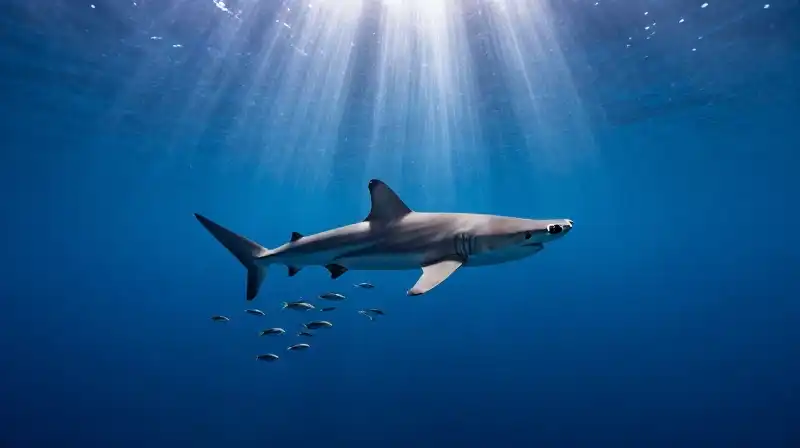
The hammerhead shark is a testament to the incredible ways life adapts to its environment. From the sensory powerhouse that is the cephalofoil to the unique ability of some species to reproduce via parthenogenesis, these sharks are far more than just “scary predators.” They are highly specialized, intelligent, and socially complex animals. However, their specialized nature also makes them vulnerable; as we continue to impact ocean health and fishing practices, preserving these unique evolutionary wonders becomes increasingly vital for the balance of marine ecosystems.
Facts sourced from peer-reviewed marine biology research, NOAA, and the Smithsonian Ocean Portal. Our editorial team fact-checks all content against current scientific literature.
Related Articles