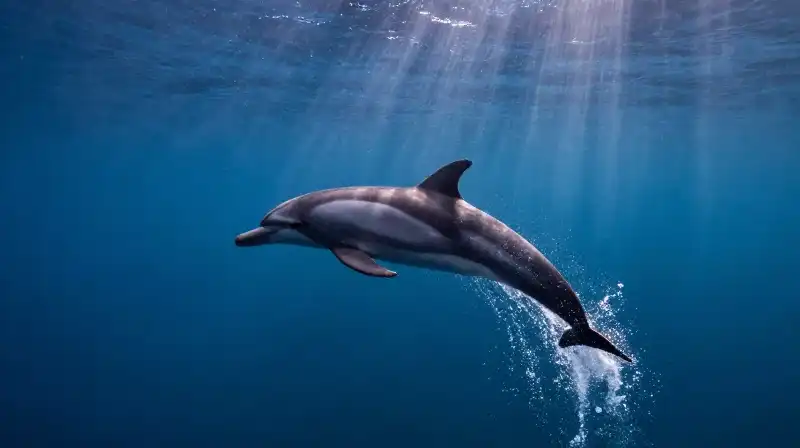

Amazing Facts About Dolphins: Species, Habitats, and Behaviors


Introduction
Dolphins are often the first animals people think of when imagining the intelligence and playfulness of the ocean. Far more than just the smiling faces seen in coastal tourist videos, these marine mammals represent a massive, diverse group of animals that have mastered nearly every corner of the aquatic world. From the freezing, dark waters of the North Atlantic to the tropical warmth of coral reefs, dolphins have proven to be some of the most successful inhabitants of our planet.
Global Diversity and Adaptable Habitats

A common misconception is that all dolphins belong to a single, uniform group. In reality, there is incredible variety in their biological makeup and where they choose to live. Currently, there are approximately 40 to 45 different species of dolphins living across the globe.
Their habitats are just as varied as their species. While many people associate dolphins strictly with the open ocean, they are highly adaptable creatures. Their environments include:
- Coastal Areas and Estuaries: Many species prefer the nutrient-rich, shallower waters near shorelines.
- Open Oceans: Pelagic species roam the vast expanses far from land.
- Freshwater Systems: Some dolphins have adapted entirely to river environments, living far from saltwater.
This adaptability extends to their tolerance for temperature. Dolphins can thrive in extreme conditions, inhabiting waters ranging from below 0°C to temperatures exceeding 30°C. This thermal flexibility allows them to occupy ecological niches that many other marine mammals cannot.
Spotlight on the UK: The Northernmost Bottlenose
In the United Kingdom, dolphin sightings are a highlight for marine enthusiasts, though they are not spread evenly across the coast. Bottlenose dolphins are the primary focus in British waters, with significant concentrations found in Wales’ Cardigan Bay and Scotland’s Moray Firth. They are also known to travel through the waters of Devon and Cornwall.
One of the most remarkable geographic facts regarding these animals is that Scotland is home to the most northerly pod of bottlenose dolphins found anywhere in the world. This presence in such high latitudes is a testament to their incredible physiological ability to manage cold-water environments.
The Mystery of Dolphin Behavior

Despite decades of observation, much of what happens beneath the surface remains a mystery. Because dolphins spend the vast majority of their lives underwater, direct human observation is inherently limited. This creates a “knowledge gap” that marine biologists are working tirelessly to close.
Modern scientific research is currently focused on several key areas to better understand these intelligent mammals:
- Social Structures: Researchers are working to decode how dolphins associate with one another and the complexities of their social hierarchies.
- Dietary Patterns: By studying what dolphins eat and how they move, biologists can determine their specific ecological roles within their respective food webs.
- Life Cycles: Understanding how dolphins grow, reproduce, and age is essential for predicting the health of future generations.
This research is not merely academic; it is a cornerstone of conservation. By mapping out dolphin habitats and movement patterns, scientists can develop more effective strategies to protect wild populations and the environments they rely on.
Common Questions About Dolphins
What are some amazing facts about dolphins?
Beyond their intelligence, some of the most amazing facts include their ability to live in both freshwater and saltwater, their capacity to survive in near-freezing temperatures, and the fact that they possess some of the most northerly populations of any large mammal in the world, such as those found in Scotland.
How many species of dolphins are there?
There are roughly 40 to 45 different species currently recognized, showcasing a wide range of sizes, shapes, and specialized behaviors suited to different parts of the ocean.
Why Understanding Dolphins Matters

Dolphins serve as vital indicators of ocean health. Their ability to thrive in diverse environments—from tropical estuaries to sub-zero northern latitudes—makes them a fascinating subject of study. However, because they are so deeply integrated into their ecosystems, understanding their complex social lives and movement patterns is the only way we can truly ensure their long-term survival. Every discovery regarding their diet or social structure provides a new piece of the puzzle in the broader mission of marine conservation.
Facts sourced from peer-reviewed marine biology research, NOAA, and the Smithsonian Ocean Portal. Our editorial team fact-checks all content against current scientific literature.
Frequently Asked Questions
What are some amazing facts about dolphins?
Dolphins can live in both freshwater and saltwater and are capable of surviving in near-freezing temperatures. Additionally, they possess some of the most northerly populations of any large mammal, such as those found in Scotland.
Related Articles