
25 Fascinating Facts About Coral Reefs and Marine Life

Introduction
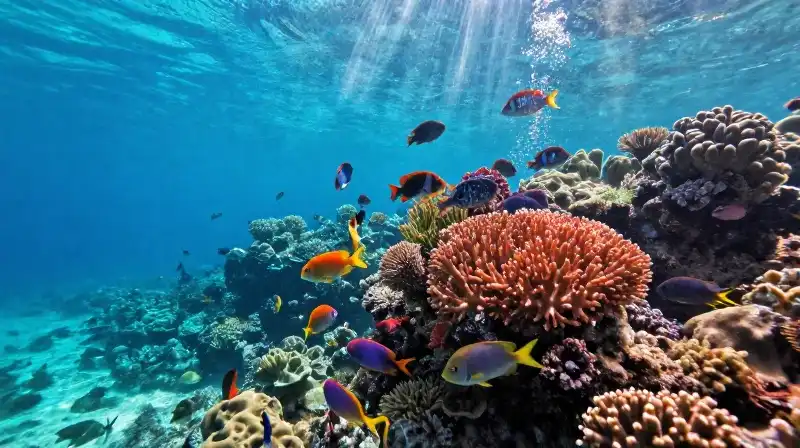
When you look at a coral reef, you see a landscape of neon pinks, electric blues, and architectural wonders that seem as permanent as stone. It is easy to mistake these structures for underwater gardens or rocky outcrops, but the reality is far more dynamic. Coral reefs are massive, living cities built by tiny, soft-bodied animals. These biological marvels act as the heartbeat of the ocean, supporting a staggering amount of life within a very small footprint. From protecting coastlines to feeding hundreds of millions of people, these ecosystems are far more than just beautiful scenery—they are essential to the survival of our planet.
The Living Architecture of the Reef
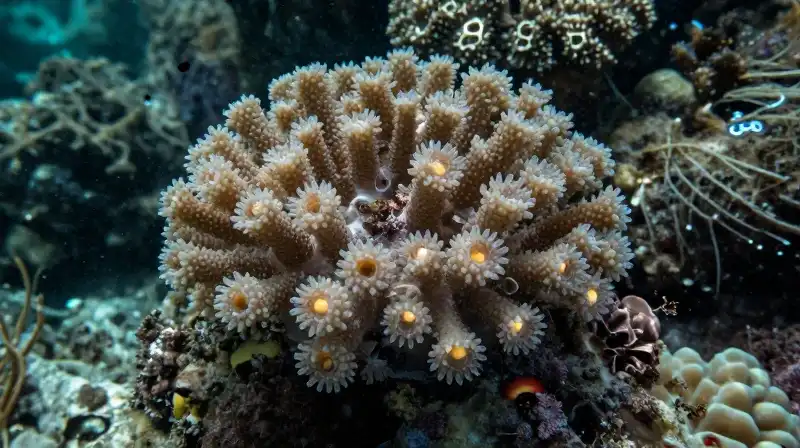
To understand why coral reefs are so important, you first have to understand what they actually are. They aren’t plants, and they aren’t rocks. They are colonies of living organisms working in perfect harmony.
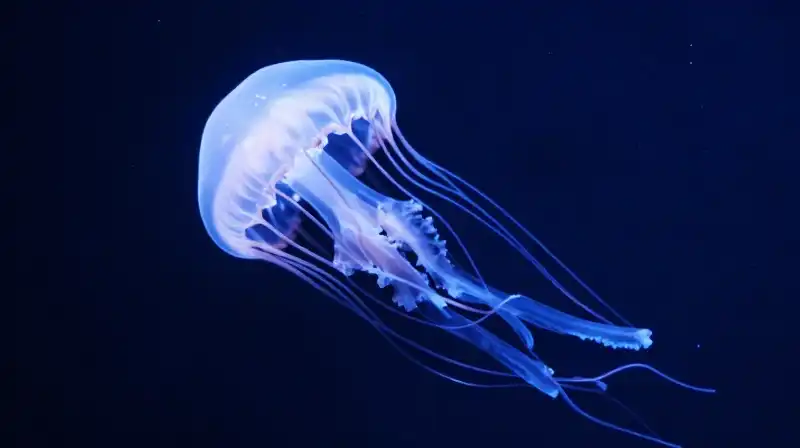
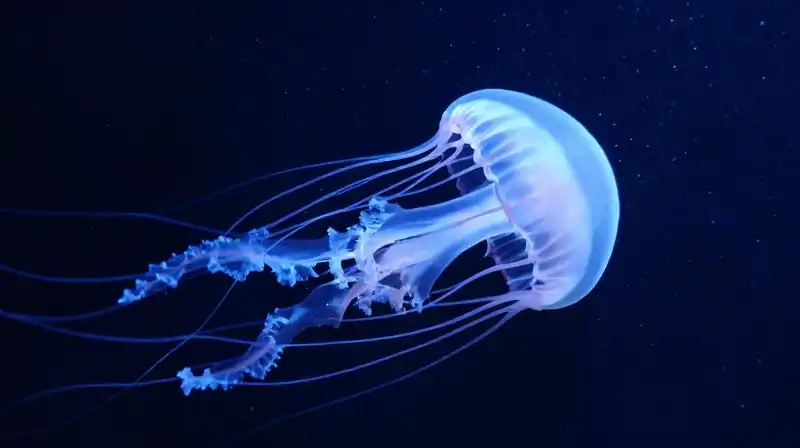
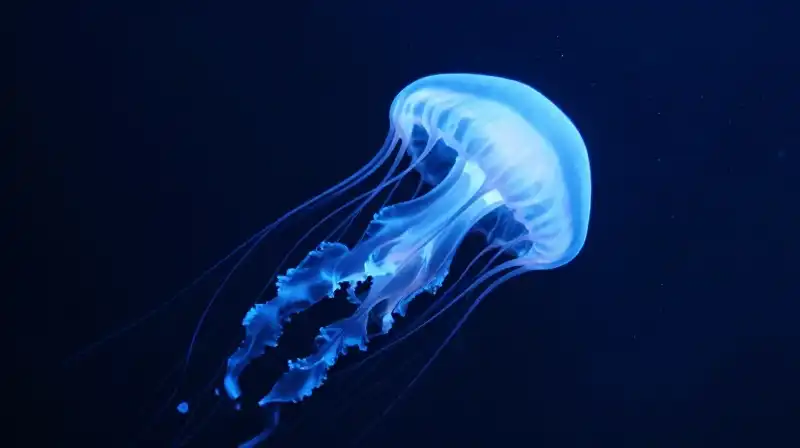
- They are animals, not plants: Corals are most closely related to jellyfish and sea anemones. While they may stay in one place, they are complex animals.
- The role of the polyp: A reef is constructed by clusters of tiny animals called polyps. As these individual polyps grow together, they build the intricate, complex shapes we recognize as reefs.
- A symbiotic partnership: Corals rely on a partnership with microscopic algae that live inside their tissues. The algae use sunlight to produce food for the coral, and in exchange, the coral provides a home. This relationship is also what gives reefs their vibrant, natural colors.
- Slow and steady growth: Building a reef is a monumental task that takes centuries. On average, corals grow only about 2 centimeters per year. Much like trees on land, some corals even develop growth rings that can be studied.
25 Fascinating Facts About Coral Reefs and Marine Life
The following facts highlight the incredible scale, age, and biological importance of these underwater ecosystems.
Scale and Biodiversity
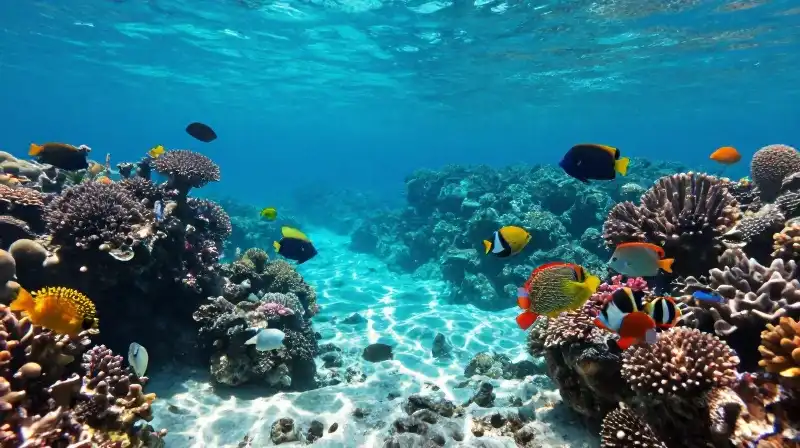
- Small footprint, massive impact: While coral reefs cover less than 1% of the ocean floor, they provide a home for approximately 25% of all marine species.
- The “Bird Species” comparison: The biodiversity is so concentrated that a healthy 2-acre area of coral reef can host more individual fish species than there are bird species in all of North America.
- A massive fish nursery: Reefs support over 4,000 different types of fish.
- Visible from space: The Great Barrier Reef in Australia is the largest reef system on Earth—so massive that it can be seen from outer space.
- Ancient origins: These ecosystems are not a recent development; the first coral reefs formed approximately 240 million years ago, long before the era of the dinosaurs.
Habitat and Formation
- Sunlight dependency: Because they rely on symbiotic algae that need photosynthesis, most reefs grow in shallow, clear, and warm waters near the equator.
- Depth limits: Most reefs are found at depths of no more than 150 feet (about 45 meters) to ensure they receive enough sunlight to thrive.
- Three main reef types: Not all reefs look the same. They generally fall into three categories: barrier reefs (which protect lagoons), coral atolls (which form around volcanic remains), and fringing reefs (which grow directly along coastlines).
Economic and Environmental Services
- Natural storm buffers: Reefs act as massive, natural breakwaters. By slowing down water flow, they reduce the impact of storms and erosion on coastal communities.
- Water filtration: Corals help clean the ocean by filtering out particles from the water.
- Supporting the seabed: By stabilizing the seabed, reefs create a protected environment where other marine plants, such as seagrass, can survive.
- Feeding the world: Roughly 500 million people rely on these ecosystems for food.
- Economic engines: Beyond food, reefs are vital to the global economy through the fishing and tourism industries.
Threats and Survival Mechanisms
- The danger of bleaching: When ocean temperatures rise due to climate change, corals may undergo “bleaching.” This occurs when they become stressed and expel their resident algae, leaving the coral white and vulnerable.
- A colorful last stand: In some cases, corals have been observed emitting vibrant colors as a desperate biological attempt to survive rising temperatures.
- Ocean acidification: As the ocean absorbs more carbon dioxide, it becomes more acidic. This makes it physically difficult for corals to build and maintain their calcium carbonate skeletons.
- Direct human impact: Pollution and physical damage from boats also pose significant threats to reef health.
Common Questions About Reef Life
Are coral reefs home to 25% of all marine life?
Yes. While they are incredibly small in terms of the total surface area they cover—less than 1% of the ocean—they are disproportionately important. They provide the necessary structure, food, and shelter to support about 25% of all known marine species.
Why These Ecosystems Matter
The facts surrounding coral reefs reveal a delicate balance. These are not just static structures; they are ancient, living organisms that bridge the gap between geology and biology. They protect our shores, feed our populations, and host a level of biodiversity that is nearly unmatched on Earth. Understanding that a reef is a community of living animals—rather than just a collection of rocks—is the first step in recognizing why their conservation is vital for the health of the entire ocean.
Facts sourced from peer-reviewed marine biology research, NOAA, and the Smithsonian Ocean Portal. Our editorial team fact-checks all content against current scientific literature.
Frequently Asked Questions
Are coral reefs home to 25 of all marine life?
Yes, coral reefs provide a home for approximately 25% of all marine species. Although they cover less than 1% of the ocean floor, they support a massive amount of biodiversity.
Related Articles