
15 Fascinating Marine Life Facts You Probably Didnt Know

Introduction
The ocean is a realm of extremes, where biology defies common logic and scale becomes difficult to comprehend. From the massive blue whale, which dwarfs every other creature to ever exist, to the microscopic chemical shifts in a horseshoe crab’s blood, marine life operates under a different set of rules than the world we know on land. Understanding these animals requires looking past surface-level appearances and exploring the specialized adaptations that allow them to thrive in high-pressure, low-light, or highly competitive environments.
15 Fascinating Marine Life Facts
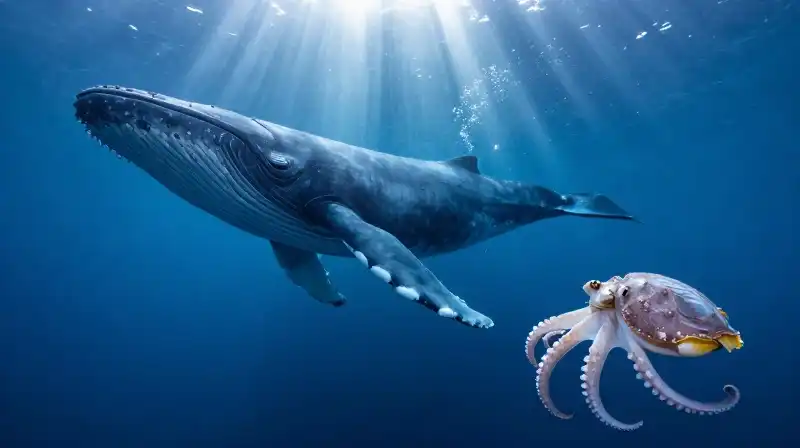
To truly appreciate the complexity of our oceans, we must look at the specific traits that define these species, ranging from their sensory abilities to their social structures.
Massive Scale and Biological Wonders
- The sheer scale of the Blue Whale: Blue whales are the largest animals to have ever lived. They can reach weights of up to 247,000 pounds. To put their size into perspective, their tongue alone can weigh as much as an entire elephant.
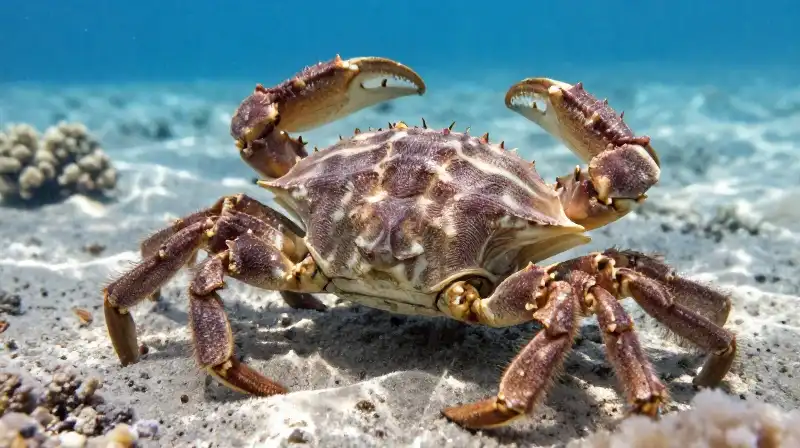
- The “blue” blood of horseshoe crabs: Unlike humans and most mammals, who have red blood due to iron-based hemoglobin, horseshoe crabs possess blue blood because it contains copper.
- The anatomy of an octopus: Octopuses are masters of squeezing into tight spaces. Because their only rigid body part is their beak, they can pass through any opening that is large enough to accommodate the diameter of that beak.
- Cephalopod camouflage: Octopuses and squids do not just change color; they can also alter their skin texture. This is achieved by tensing and relaxing specific muscle groups to mimic the surrounding environment.
Predators, Social Intelligence, and Myths
Many marine animals are subject to misconceptions based on fear or outdated classifications. Scientific observation reveals a more nuanced reality.
- Orcas are dolphins, not “killer whales”: While often referred to as killer whales, orcas are actually the largest members of the dolphin family.
- The complex culture of orcas: Orcas are highly social apex predators. They operate within matrilineal systems, meaning they pass down essential cultural knowledge—such as hunting techniques or migration routes—from grandmothers to mothers and then to daughters.
- Orca hunting behaviors: In a notable shift in the ocean’s food chain, orcas have been observed hunting great white sharks, specifically targeting and consuming only the shark’s nutrient-rich liver.
- The truth about orca-human interactions: Despite their reputation as apex predators, there are no recorded instances of wild orcas attacking humans. Interestingly, one wild orca has even been observed attempting to share a meal with a diver.
- The specialized vision of the mantis shrimp: The mantis shrimp possesses some of the most complex eyes in the animal kingdom. While humans have only three types of photoreceptors, the mantis shrimp has between 12 and 16.
Longevity and Sensory Adaptations
Survival in the deep sea or through decades of life requires specialized biological “clocks” and sensory tools.
- The extreme lifespan of Greenland sharks: These sharks can live for hundreds of years. Because their cartilage is too soft for traditional growth ring methods, scientists must use radiocarbon dating on their eyes to estimate their age.
- Counting age in fish: While Greenland sharks require specialized dating, scientists can estimate the age of many other fish species by counting growth rings on their scales or ear bones.
- Sensory whiskers on seals: Some seal species use their whiskers to detect vibrations from swimming prey. This adaptation is so effective that even blind seals in the wild are able to hunt successfully.
- Biological sex changes: Certain fish, such as clownfish and triggerfish, have the ability to change their sex based on environmental or social circumstances.
Conservation and Vulnerability
While marine life is remarkably resilient, many species face significant threats from human activity. Protecting these animals is a central focus of marine biology and conservation efforts.
| Species | Status/Note | Context |
|---|---|---|
| Right Whale | Most endangered off U.S. coasts | Named because they were historically easy to hunt due to slow movement and tendency to float after death. |
| Sea Turtles | Protected under the Endangered Species Act | Includes all six species found in U.S. waters: green, hawksbill, Kemp’s ridley, leatherback, loggerhead, and olive ridley. |
What are some interesting facts about marines?
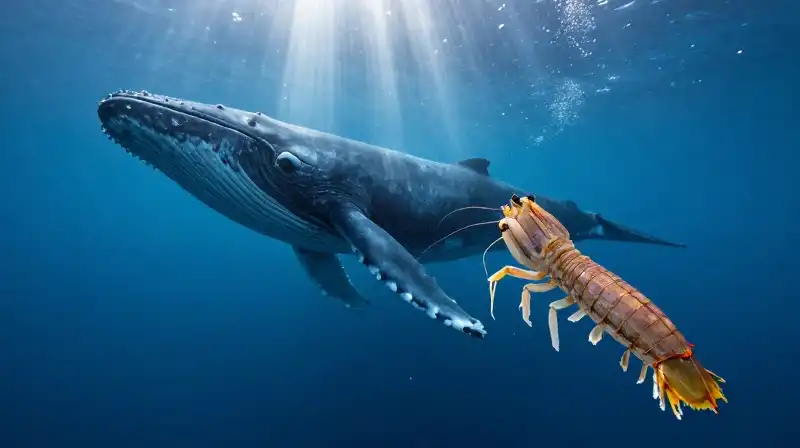
When people ask about interesting marine facts, they are often looking for the “extremes” of the ocean. This includes the massive size of blue whales, the incredible longevity of Greenland sharks, and the specialized sensory organs like the mantis shrimp’s eyes or a seal’s vibration-sensitive whiskers. The ocean is defined by these unique biological solutions to the challenges of living in water.
The Complexity of the Deep
The facts above illustrate that the ocean is far from a simple habitat. It is a complex web of social cultures, specialized sensory adaptations, and extreme biological feats. Whether it is the ability of a fish to change its sex or the way an orca passes knowledge through generations, marine life demonstrates an incredible capacity for adaptation. Understanding these animals—not as monsters or mere resources, but as highly specialized biological marvels—is the first step in the essential work of ocean conservation.
Facts sourced from peer-reviewed marine biology research, NOAA, and the Smithsonian Ocean Portal. Our editorial team fact-checks all content against current scientific literature.
Frequently Asked Questions
What are some interesting facts about marines?
Interesting facts include the massive size of blue whales, the blue blood of horseshoe crabs, and the complex eyes of the mantis shrimp. Other notable traits are the long lifespans of Greenland sharks and the ability of certain fish to change their sex.
Related Articles