
10 Fascinating Facts About Beluga Whales and Their Unique Traits

Introduction
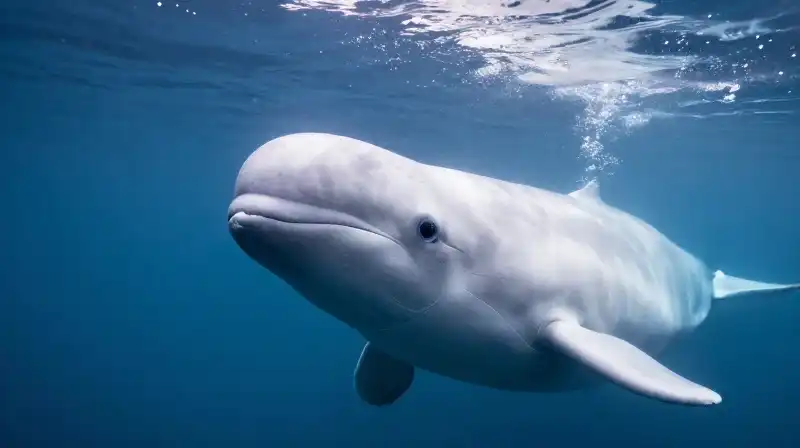
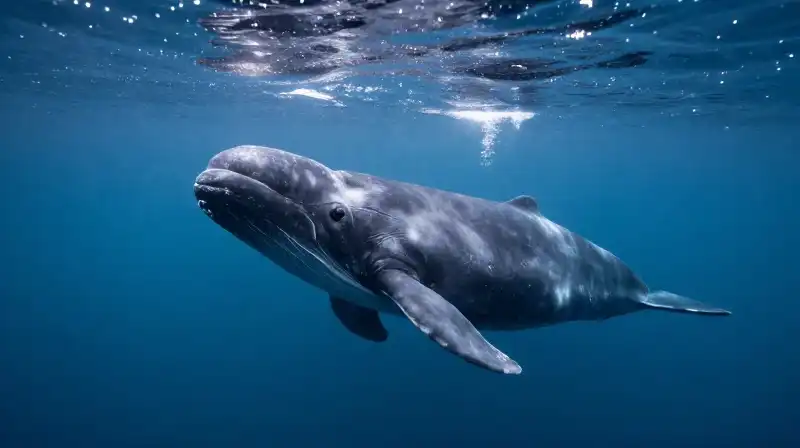
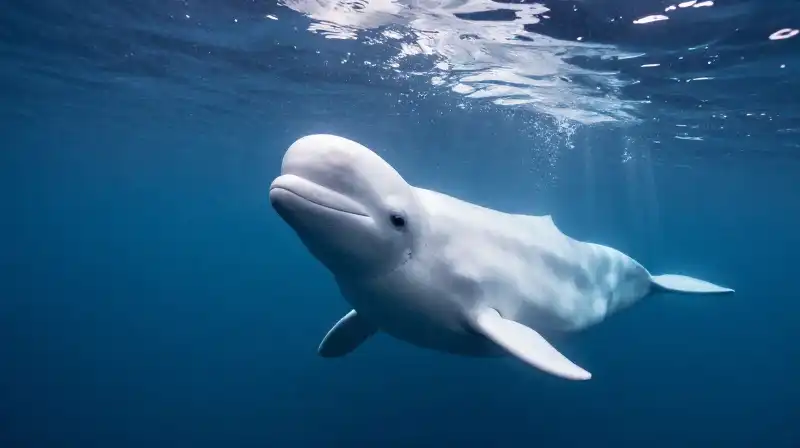
In the frigid, ice-choked waters of the Arctic, a striking figure often glides just beneath the surface. While many people immediately associate the color white with the snowy landscape above, the beluga whale (Delphinapterus leucas) is not born with this iconic appearance. These highly intelligent cetaceans spend their early years in shades of dark gray, only achieving their namesake snowy complexion as they reach maturity, sometimes taking up to eight years to turn completely white. Beyond their color, belugas are defined by an extraordinary level of social complexity and physical agility that sets them apart from almost any other whale species.
10 Interesting Facts About Beluga Whales
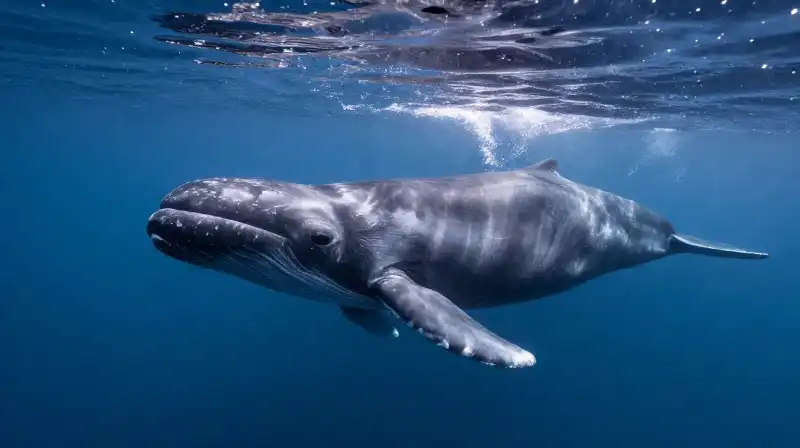
To understand why these animals are so beloved by marine biologists and enthusiasts alike, one must look past their appearance and into their specialized biology and unique behaviors.
- The “Sea Canaries” of the Ocean: Belugas possess one of the most diverse vocal repertoires in the marine world. They are nicknamed “sea canaries” because they produce an incredible array of sounds, including whistles, clicks, mews, bleats, chirps, and even bell-like tones. Scientists have documented between 11 and 34 distinct types of sounds used for communication.
- A Shape-Shifting Forehead: The prominent, bulbous forehead of a beluga is a fatty organ known as a “melon.” This structure is essential for echolocation, helping the whale navigate and find prey in murky or icy waters. Remarkably, a beluga can actually change the shape of its melon during vocalizations to help direct sound.
- Unmatched Neck Flexibility: Most cetaceans have fused neck vertebrae, which limits their ability to turn their heads. Belugas, however, have unfused vertebrae, allowing them to move their heads up, down, and side-to-side. This maneuverability is a vital evolutionary advantage for targeting prey in complex, silty, or ice-filled environments.
- Built for the Cold: You won’t find a dorsal fin on a beluga. While most whales use this fin for stability, the beluga lacks one as an evolutionary adaptation to conserve body heat in freezing Arctic temperatures. This also makes it much easier for them to glide smoothly beneath thick sheets of sea ice.
- The Ability to Swim Backwards: Belugas are exceptionally maneuverable swimmers. Unlike many larger whales that are largely restricted to forward motion, belugas possess the unusual ability to swim backwards, a trait that aids in navigating tight spaces.
- Swallowing Prey Whole: Although they are classified as “toothed whales,” belugas do not chew. Instead, they use suction to swallow their food—which includes fish, squid, crustaceans, and worms—entirely whole.
- Deep Divers: These whales are more than just surface dwellers. They are capable of impressive dives, reaching depths of up to 800 meters and remaining submerged for as long as 25 minutes at a time.
- Complex Social Pods: Belugas are highly social animals that live in organized groups called pods. These groups often undertake massive migrations, with some populations traveling thousands of kilometers into areas like Canada’s Hudson Bay.
- Long-Term Maternal Care: Reproduction is a significant biological investment. A female’s gestation period lasts between 14 and 15 months, and once the calf is born, it may continue to nurse from its mother for up to two years.
- Potential for Mimicry: Their intelligence and vocal range have led to fascinating observations in captivity. Some belugas have demonstrated an ability to mimic human speech; for instance, a whale named NOC was observed mimicking the word “out”.
Physical Adaptations for Arctic Survival
The beluga’s body is a masterclass in specialized evolution. The following table highlights how their specific traits assist them in their harsh habitat compared to general cetacean features.
| Trait | Beluga Adaptation | Survival Benefit |
|---|---|---|
| Dorsal Fin | Absent | Reduces heat loss and allows movement under sea ice. |
| Neck Structure | Unfused vertebrae | Provides high maneuverability to track prey in ice. |
| Forehead (Melon) | Flexible, fatty organ | Advanced echolocation and sound manipulation. |
Conservation Status and Environmental Threats

Despite their resilience in the Arctic, beluga whales face a growing list of challenges. The species is currently classified as “near threatened” on the IUCN Red List, with an estimated global population of approximately 150,000 individuals.
In the wild, they must contend with natural predators such as orcas and polar bears. However, human-induced pressures are becoming increasingly significant. These include:
- Climate Change: Shifting ice patterns alter their habitat and access to traditional feeding grounds.
- Pollution: Both industrial and urban pollution can contaminate their environment, while noise pollution from shipping and industry can interfere with the delicate acoustic communication and navigation they rely on.
- Industrial Development: Oil and gas exploration poses risks to the stability of their Arctic ecosystems.
Why the Beluga Matters
The beluga whale is far more than just a “white whale.” They are highly specialized acoustic experts, masters of maneuverability, and complex social beings. From their shape-shifting melons to their ability to navigate the underside of ice sheets, every aspect of their biology is finely tuned to one of the most demanding environments on Earth. Understanding their unique traits and the threats they face is the first step in ensuring that their “sea canary” songs continue to echo through the Arctic for generations to come.
Facts sourced from peer-reviewed marine biology research, NOAA, and the Smithsonian Ocean Portal. Our editorial team fact-checks all content against current scientific literature.
Related Articles