

15 Fascinating Facts About Beluga Whales and Their Unique Traits

Introduction
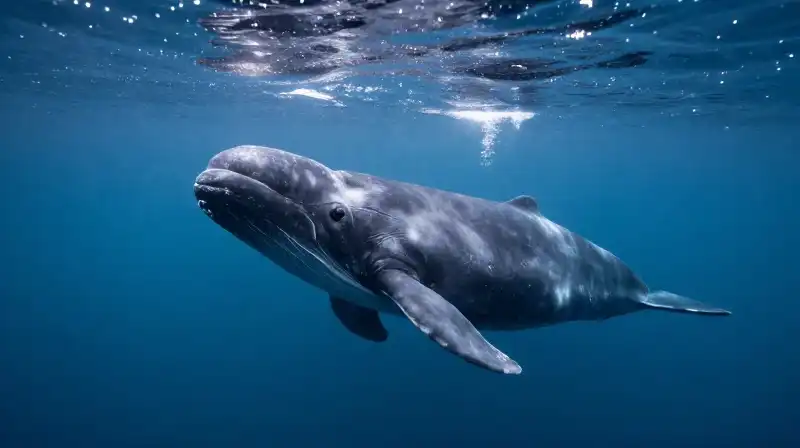
High in the Arctic waters, a creature moves through the ice with a level of agility rarely seen in large marine mammals. While most whales appear heavy and cumbersome, the beluga whale possesses a distinct, expressive silhouette and a personality that seems to radiate through the water. Often called “white whales,” these cetaceans are far more than just a striking color; they are highly intelligent, vocal, and anatomically unique specialists of the frozen north.
15 Fascinating Facts About Beluga Whales
To understand why these animals are so distinct from other whales, we have to look at their specialized anatomy, their incredible social lives, and the ways they have adapted to life in the extreme cold.
Physical Traits and Adaptations
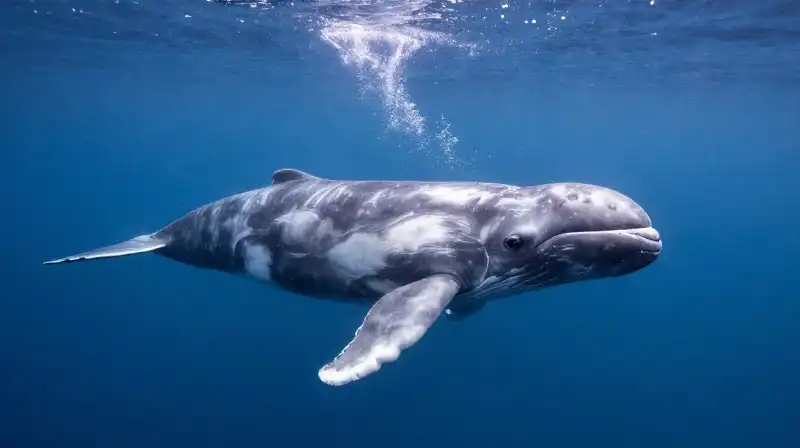
- The “White” is a slow transformation: Despite their famous appearance, belugas are not born white. They actually begin life with a dark gray skin tone and can take up to eight years to fully transition to their iconic snowy complexion.
- The “Melon” is a shape-shifter: The bulbous forehead of a beluga is a fatty organ known as a “melon.” This organ is essential for echolocation, and observers can actually watch the melon change shape as the whale adjusts its vocalizations to navigate or hunt.
- A neck built for precision: Most whales have fused neck vertebrae, which limits their head movement. Belugas, however, have unfused vertebrae, allowing them to turn their heads up, down, and side-to-side. This flexibility is a vital tool for targeting prey in murky, silty, or ice-filled waters.
- No dorsal fin to speak of: Evolution has stripped the beluga of the traditional dorsal fin found on many other whales. Instead, they possess a tough dorsal ridge and thick layers of blubber, an adaptation that prevents excessive heat loss while allowing them to swim easily under thick ice sheets.
- Agile, but not fast: While they are capable of impressive maneuvers—including swimming backwards and even gliding on their backs like dolphins—they are relatively slow swimmers, reaching maximum speeds of about 22 km/h or 14 mph.
Diet and Hunting Behavior
- The “Toothed Whale” myth: While they are classified as toothed whales, belugas do not chew their food. They are specialized swallowers, taking their prey whole.
- A massive daily appetite: To maintain their energy in freezing temperatures, an adult beluga consumes approximately 27 kilograms (60 lbs) of seafood every day, including fish, squid, crustaceans, and worms.
- Social hunters: Belugas typically live and hunt in groups known as pods.
Vocalizations and Intelligence
- The “Canaries of the Sea”: Belugas are famous for their incredibly rich vocal range. They use at least 11 distinct types of sounds, such as whistles, clicks, mews, bleats, chirps, and bell-like tones.
- Natural mimics: Beyond their own repertoire, belugas have been observed mimicking the sounds around them, adding to their reputation as one of the most communicative marine mammals.
Life Cycle and Size
- Impressive scale: An adult beluga can grow to be between 13 and 20 feet long, weighing as much as 1,600 kg (roughly 1.5 tons).
- Slow reproductive rates: Female belugas have a gestation period of 14 to 15 months and usually give birth to only a single calf once every three years.
- Long-term nursing: Once born, calves rely heavily on their mothers, nursing for up to two years.
- Longevity in the Arctic: In their natural wild habitats, belugas can live for an average of 35 to 50 years.
- Close cousins: While they share a name with the sturgeon fish, they are not related to them at all. Instead, they are close relatives of the narwhal.
Beluga Comparison Profile
| Trait | Beluga Whale Detail |
|---|---|
| Max Speed | ~22 km/h (14 mph) |
| Weight | Up to 1,600 kg (1.5 tons) |
| Lifespan | 35–50 years |
| Primary Diet | Fish, squid, crustaceans, worms |
Common Questions About Belugas
Are beluga whales deaf?
No, belugas are not deaf. In fact, they rely heavily on their highly developed sense of hearing. Their sophisticated echolocation system—powered by the “melon” in their forehead—is essential for navigating the dark, icy environments of the Arctic and locating prey.
Why are beluga whales endangered?
Belugas are currently classified as “near threatened” on the IUCN Red List. They face a variety of human-induced pressures, including the effects of climate change on Arctic ice, oil and gas development, pollution, and hunting. Additionally, noise interference from human activity can be particularly damaging, as it disrupts the complex vocal communication they use to navigate and stay connected within their pods.
The Complexity of an Arctic Icon
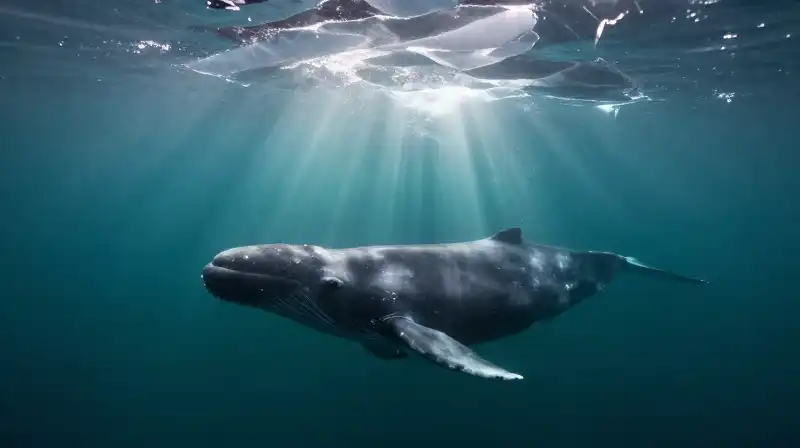
The beluga whale is a master of specialized survival. From their flexible necks that allow them to peer into crevices to their “canary-like” songs that pierce through the freezing dark, every aspect of their biology is tuned to the Arctic environment. Understanding these animals means recognizing that they are not just passive inhabitants of the ice, but active, communicative, and highly adaptable residents of one of the most challenging ecosystems on Earth. Protecting them requires addressing the modern pressures of noise and climate change that threaten their unique way of life.
Facts sourced from peer-reviewed marine biology research, NOAA, and the Smithsonian Ocean Portal. Our editorial team fact-checks all content against current scientific literature.
Frequently Asked Questions
Are beluga whales deaf?
No, beluga whales are not deaf. They rely heavily on a highly developed sense of hearing and a sophisticated echolocation system to navigate and locate prey.
Related Articles