
10 Fascinating Facts About Orcas and Their Complex Lives

Introduction
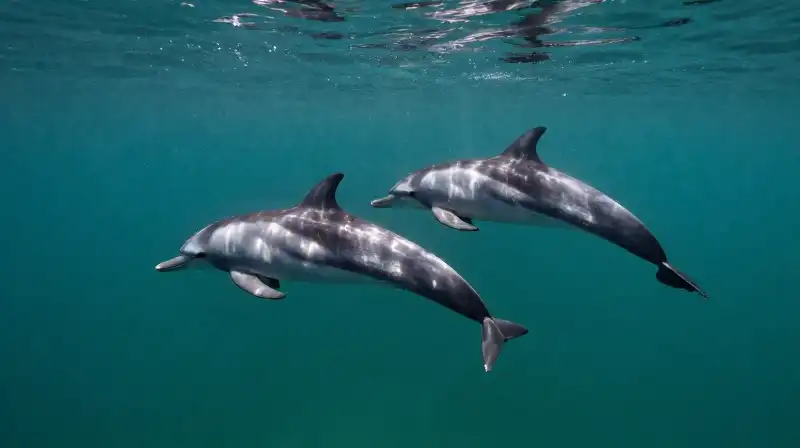
The name “killer whale” evokes images of a terrifying ocean predator, but the moniker is actually a historical misunderstanding. Ancient sailors likely coined the term after witnessing these animals hunting much larger whale species, effectively labeling them “killers of whales”. In reality, orcas are not whales at all; they are the largest and most formidable members of the dolphin family. From the icy waters of the poles to the tropical currents of the equator, these highly intelligent marine mammals have established themselves as one of the most successful and widely distributed species on the planet.
10 Fascinating Facts About Orcas
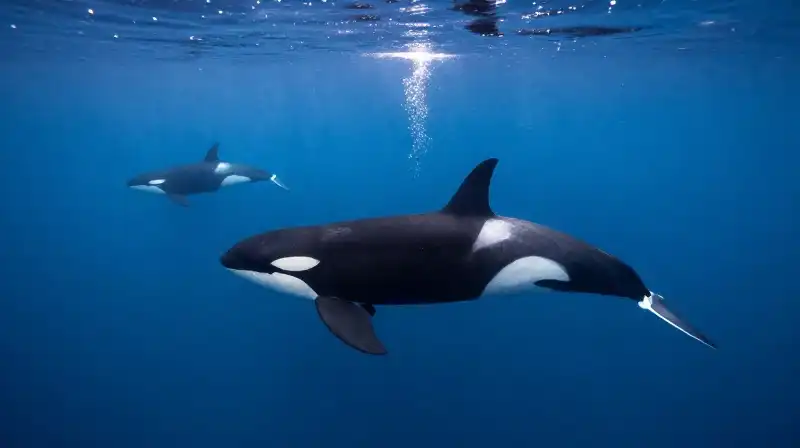
To understand why orcas are so unique, one must look past their striking black-and-white patterns and examine their biology, social structures, and incredible cognitive abilities.
- They are massive apex predators. While some sources describe their average length as being comparable to a small school bus, ranging from 19 to 26 feet, they can grow much larger. A large male can reach nearly 33 feet (10 meters) in length and weigh approximately 22,000 pounds.
- They are built for speed. Orcas are exceptionally fast swimmers, capable of reaching recorded speeds of up to 33.5 mph (54 kph) or 30 knots.
- They exist in distinct “ecotypes.” Orcas are not a single, uniform group. Instead, they are divided into different ecotypes that live in specific regions and hunt specific prey. For instance, “offshore orcas” in the northeast Pacific are known to specialize in eating sharks.
- They use sophisticated hunting tactics. Rather than relying on brute force alone, orcas use coordinated intelligence to catch prey. This includes complex behaviors like beaching themselves to grab sea lions or creating synchronized waves on ice floes to wash seals into the water.
- They possess unique ocean cultures. Knowledge in orca pods is not just instinctual; it is learned. Orcas pass down specific vocalizations, dialects, and hunting techniques from elders to younger generations, a trait that defines their social culture.
- They sleep with one eye open. Because breathing is not an automatic reflex for cetaceans, orcas utilize “unihemispheric sleep”. This means only one half of their brain sleeps at a time, allowing the other half to stay alert to manage breathing and monitor for environmental dangers.
- They have long, complex pregnancies. Orca gestation periods are notably long, lasting between 15 to 18 months. Because of this, females typically give birth only once every 3 to 5 years.
- Their lifespans vary significantly by sex. While males have an estimated average life expectancy of about 30 years, females tend to live much longer, with an average of 50 years. Some females have even been estimated to reach 80 years of age.
- They inhabit every ocean. Unlike many marine mammals that are restricted to specific latitudes, orcas are among the most widely distributed mammals in the world, found in every ocean across the globe.
- They are highly social. Their lives are defined by the pod, a tight-knit family unit that relies on communication and cooperation for both survival and social cohesion.
Size and Speed Comparison
To visualize the scale of these animals, it is helpful to compare their potential dimensions and performance against more common marine mammals.
| Feature | Orca (Typical Range) | Orca (Maximum Estimates) |
|---|---|---|
| Length | 19–26 feet | Up to 33 feet |
| Weight | Varies by ecotype | Approx. 22,000 lbs |
| Top Speed | Up to 33.5 mph | — |
Can orcas live to 100?
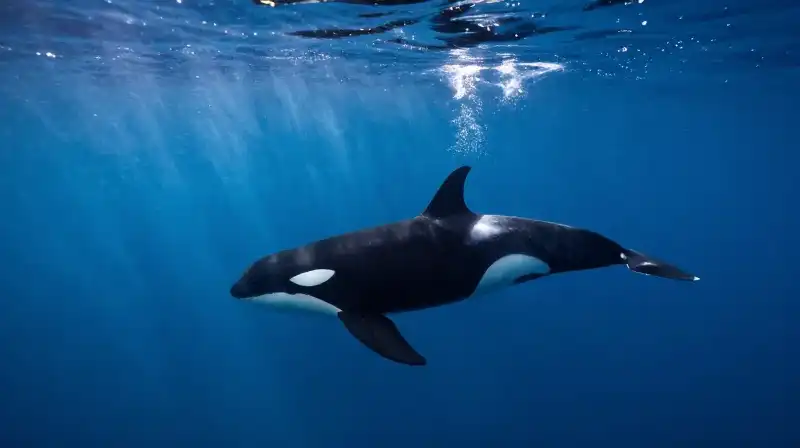
While orcas are known for their impressive longevity, especially among females who can reach 80 years of age, there is currently no scientific evidence to suggest they live to 100. Their lifespan is heavily influenced by their sex and the specific environment in which they live.
Conservation and Human Impact
Despite their status as apex predators, orcas face a variety of human-driven threats that jeopardize their survival. These challenges include entanglement in fishing gear, chemical pollution, vessel collisions, and the disruptive effects of underwater noise on their ability to communicate and hunt.
Some specific populations are in a more precarious position than others. For example, the Southern Resident orcas face significant hurdles in their recovery due to historical targeting for live capture. Protecting these animals requires addressing both the immediate physical dangers they face in the water and the broader environmental shifts occurring in our oceans.
A Remarkable Marine Intelligence
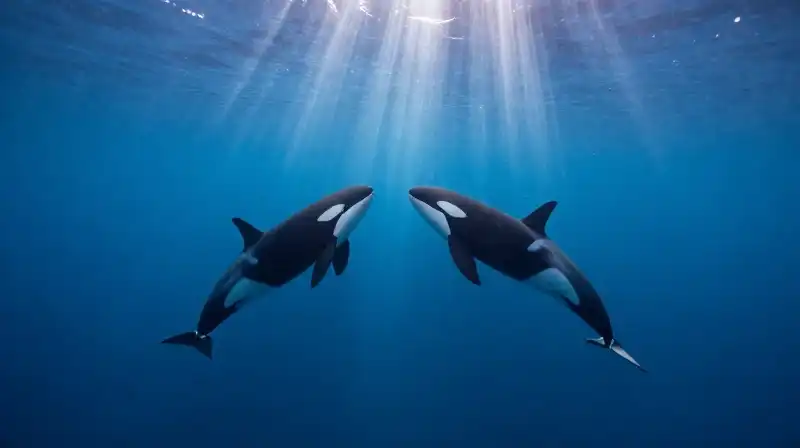
Orcas are much more than just large predators; they are complex, cultural beings with specialized skills and social structures that mirror many aspects of human society. Their ability to pass down “traditions”—from the way they hunt to the specific dialects they speak—marks them as one of the most intellectually sophisticated species in the ocean. Understanding these animals requires looking beyond the “killer whale” myth and recognizing the intricate, highly coordinated lives they lead beneath the surface.
Facts sourced from peer-reviewed marine biology research, NOAA, and the Smithsonian Ocean Portal. Our editorial team fact-checks all content against current scientific literature.
Frequently Asked Questions
Can orcas live to 100?
There is currently no scientific evidence to suggest that orcas live to 100. While some females can reach an estimated 80 years of age, their lifespans vary significantly by sex and environment.
Related Articles