
15 Fascinating Facts About Dolphins and Their Unique Lives

Introduction
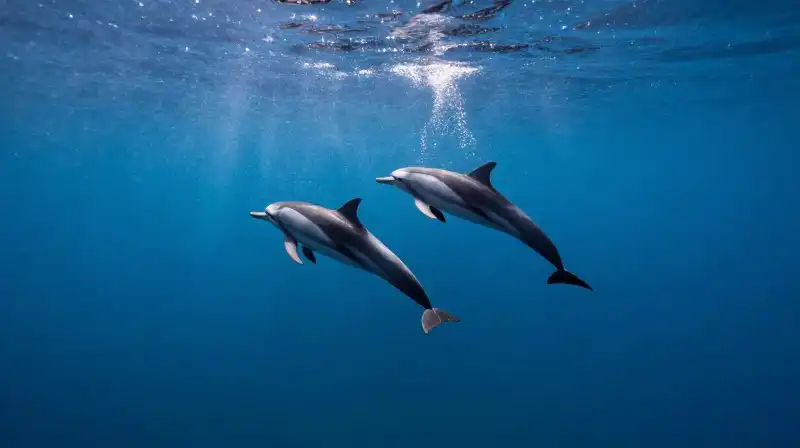
Beyond the playful leaps and rhythmic splashes seen in coastal waters lies a world of profound biological complexity. Dolphins are far more than just charismatic marine residents; they are highly intelligent members of the Odontocetes group—a specialized family of toothed whales defined by their social structures and sophisticated sensory capabilities. From the bustling tropical oceans to the quiet currents of freshwater rivers, these animals have mastered diverse environments through unique evolutionary adaptations that allow them to hunt, communicate, and thrive in ways that often rival mammalian intelligence on land.
15 Fascinating Facts About Dolphins and Their Unique Lives
To understand what makes these creatures so remarkable, we must look past the surface and into their biology, their social bonds, and their specialized survival tools. Here are the most compelling facts about their lives in the water.
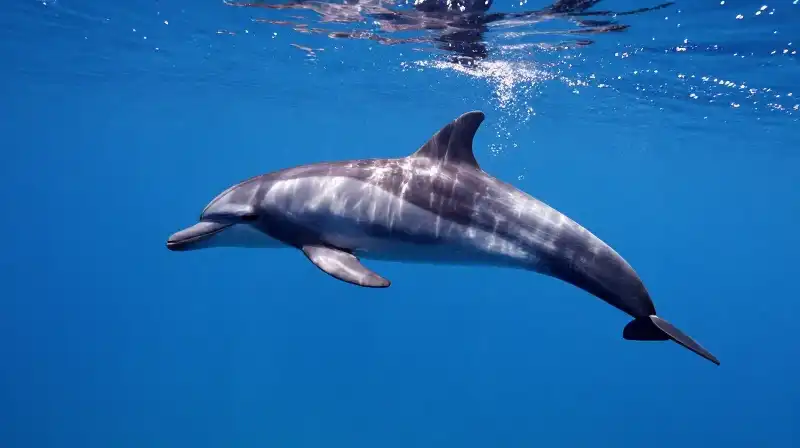
- A Massive Family Tree: There are between 40 and 49 different species of dolphins and porpoises recognized worldwide. This diversity means they inhabit everything from vast saltwater oceans to specific freshwater river systems.
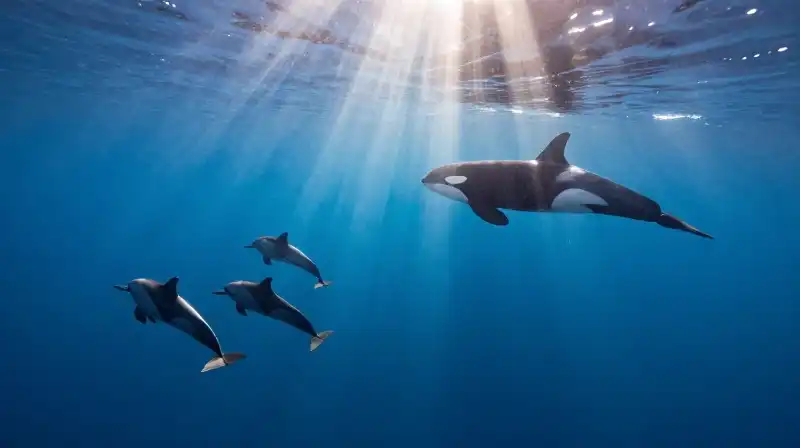
- The Largest “Dolphin”: While many people associate the term “dolphin” with smaller, sleek swimmers, the Orca (or killer whale) is actually the largest member of the dolphin family.
- A Complex Digestive System: Unlike many mammals, dolphins possess a three-stomach system. They use one stomach to hold prey, a second for mastication (chewing/processing), and a third for final digestion and waste management.
- Sonic Vision through Echolocation: Dolphins navigate and hunt using a specialized sonar called echolocation. They use a fatty organ in their heads known as a “melon” to transmit sound waves, which then bounce off objects and return to the dolphin through its lower jaw, creating a detailed 3D mental map of its surroundings.
- Acoustic Identity: Dolphins communicate using unique whistles that act much like human names. Remarkably, even unborn calves begin working with their mothers while still in utero to develop their own specific, recognizable whistles.
- Super-Powered Skin Regeneration: To stay aerodynamic, dolphins require incredibly smooth skin. Their skin regenerates nine times faster than human skin. Some species can even repair significant missing chunks of skin in as little as two weeks using specialized stem cells.
- Unfused Necks in Freshwater Species: The Amazon River dolphin is a standout example of adaptation; it is pink in color and possesses unfused neck vertebrae, allowing it to turn its head 180 degrees to maneuver through the sunken trees of its river habitat.
- Long-Lived Socialites: In the wild, dolphins typically live between 45 and 60 years. However, some individuals have been known to far exceed this average; for instance, an orca named “Granny” was documented living to approximately 90 years old.
- The High Cost of Captivity: While wild dolphins enjoy long lives, those in captivity face significantly higher health risks. They typically live much shorter lives—approximately 10 to 12 years—and calves born in tanks are 56% more likely to die in their first year than those born in the wild.
- Apex Predators: As members of the Odontocete group, many dolphins, particularly the Orca, serve as apex predators, meaning they sit at the top of the food chain with few natural enemies.
- Myth-Busting Orca Aggression: Despite their reputation as fearsome hunters, there are almost no recorded instances of wild killer whales attacking humans. Documented attacks have primarily occurred within captive environments rather than in the open ocean.
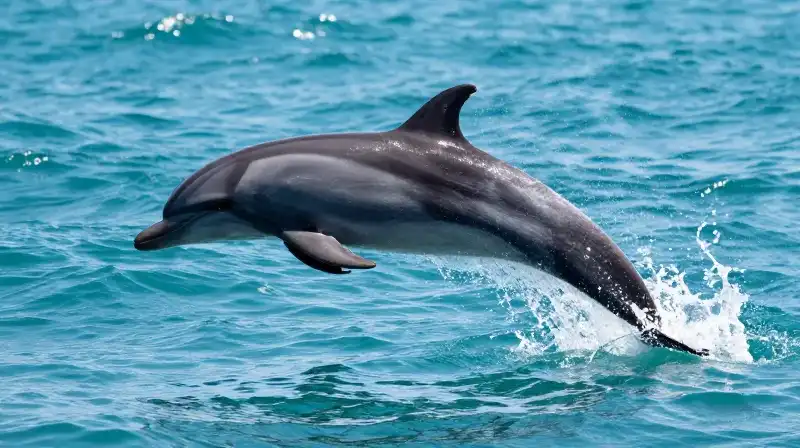
- Varied Swimming Speeds: Speed is highly dependent on the species. While a common Bottlenose dolphin can reach top speeds of around 18 mph, an Orca can surge through the water at up to 35 mph.
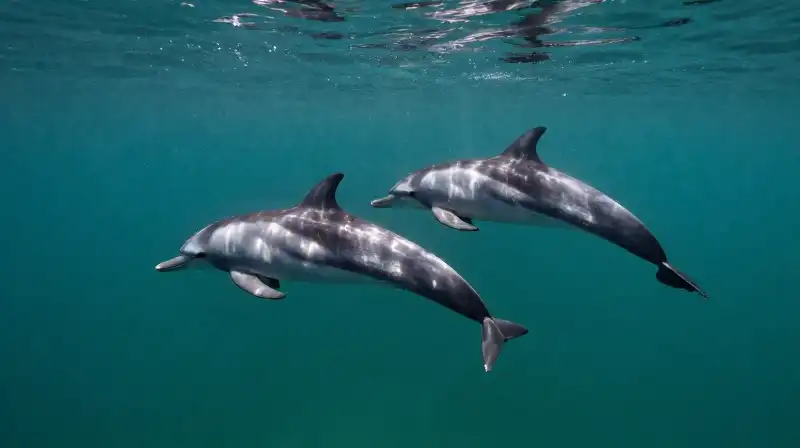
- Social Pod Structures: Dolphins are intensely social animals that often live in tightly-knit family pods for most, if not all, of their lives.
- Vulnerability to Environmental Threats: Despite their skill, dolphins face constant dangers, including shark attacks, predation by orcas, and human-related risks like propeller strikes or entanglement in fishing gear.
- Diverse Habitats: Their range is not limited to the open sea; they are equally at home in coastal areas and specialized freshwater environments.
Speed and Scale Comparison
To better understand the variation within the dolphin family, see the comparison below:
| Species Type | Typical Habitat | Top Speed (Approx.) | Notable Feature |
|---|---|---|---|
| Bottlenose Dolphin | Coastal/Ocean | 18 mph | Highly social and recognizable |
| Orca (Killer Whale) | Oceanic | 35 mph | Largest dolphin species; apex predator |
| Amazon River Dolphin | Freshwater Rivers | Varies | Pink color; 180-degree neck rotation |
Conservation and Environmental Challenges
While dolphins are highly capable survivors, they are not immune to the changing state of our oceans. They face a dual threat from natural predators—such as sharks and larger orcas—and human-induced dangers. Entanglement in commercial fishing gear and strikes from boat propellers remain significant causes of injury and mortality. Furthermore, the stark difference in lifespan and calf survival rates between wild populations and those in captivity highlights the complex biological needs these animals have that are often difficult to meet outside of their natural ecosystems.
Why Their Survival Matters
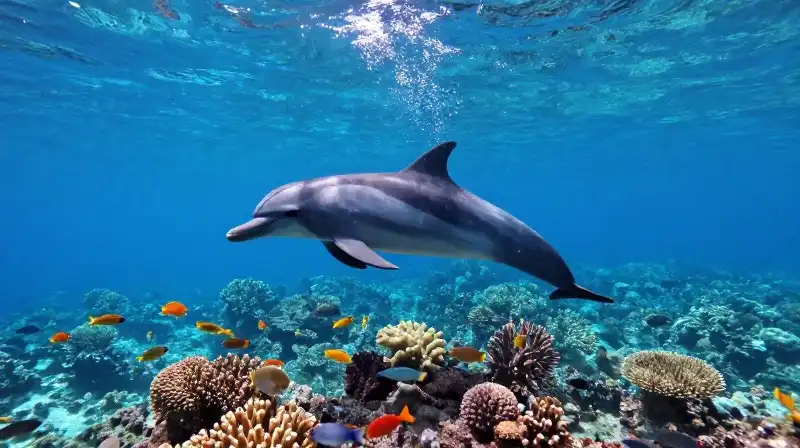
The biological sophistication of the dolphin—from their “naming” whistles to their regenerative skin—demonstrates how finely tuned these animals are to their environments. They are not merely inhabitants of the sea; they are active, intelligent participants in the marine ecosystem. Understanding their complex social structures and sensory capabilities helps us appreciate why protecting their habitats and reducing human-related risks is vital for maintaining the balance of our oceans.
Facts sourced from peer-reviewed marine biology research, NOAA, and the Smithsonian Ocean Portal. Our editorial team fact-checks all content against current scientific literature.
Related Articles