
Sea Nettle Jellyfish Facts: Anatomy, Life Cycle and Stings

Introduction
Drifting through the Pacific waters, the Pacific Sea Nettle (*Chrysaora fuscescens*) appears as a delicate, translucent ghost, but its name hints at a much sharper reality. In Greek mythology, Chrysaor was a figure associated with a “golden falchion”—a curved sword—a fitting namesake for a creature that uses stinging cells to hunt. While they may look like mere ribbons of color dancing in the current, these “true jellies” are sophisticated predators with complex life cycles and highly specialized anatomy.
Anatomy and Appearance
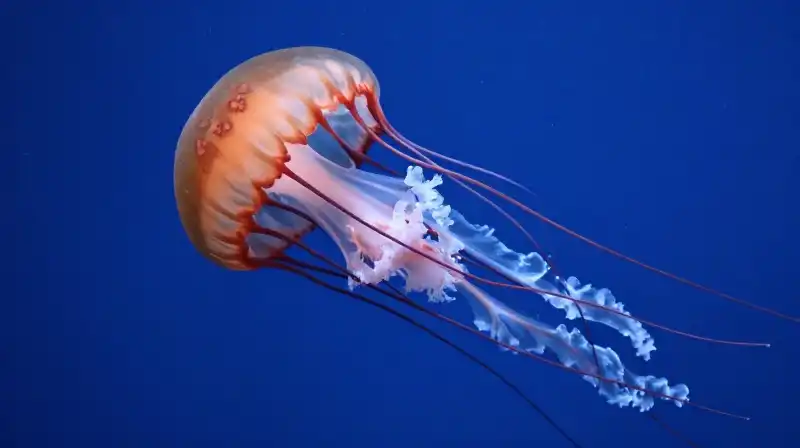
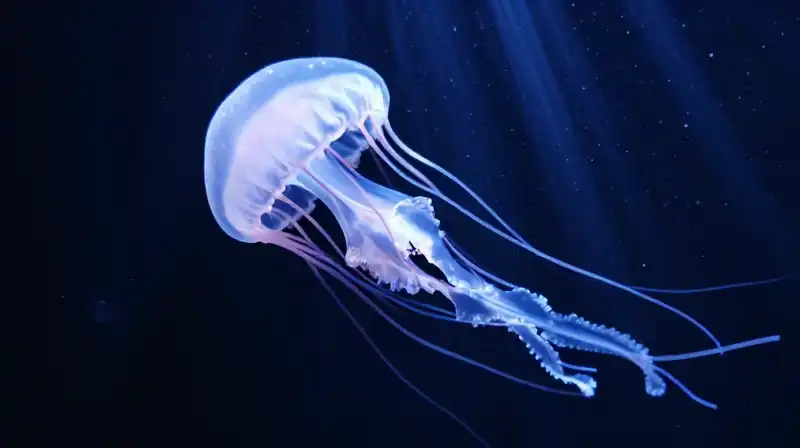
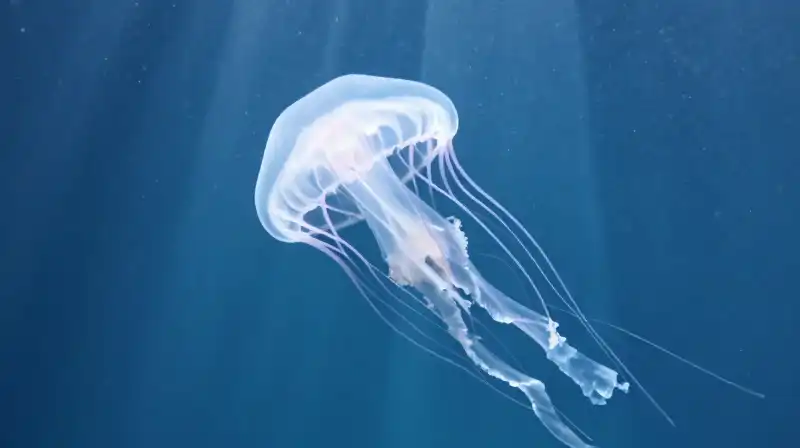
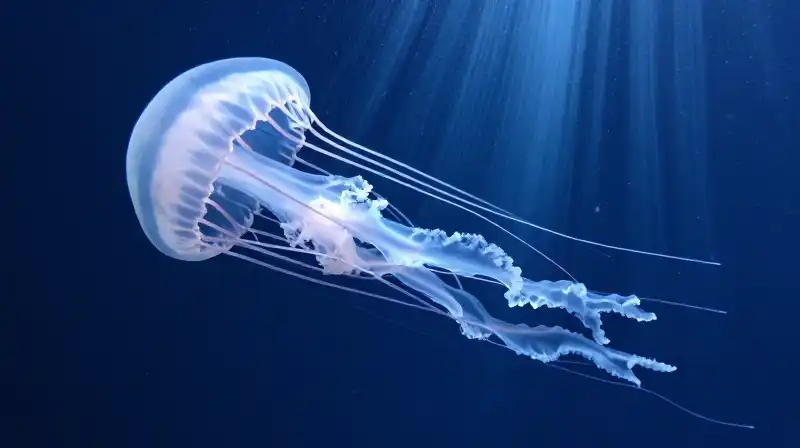
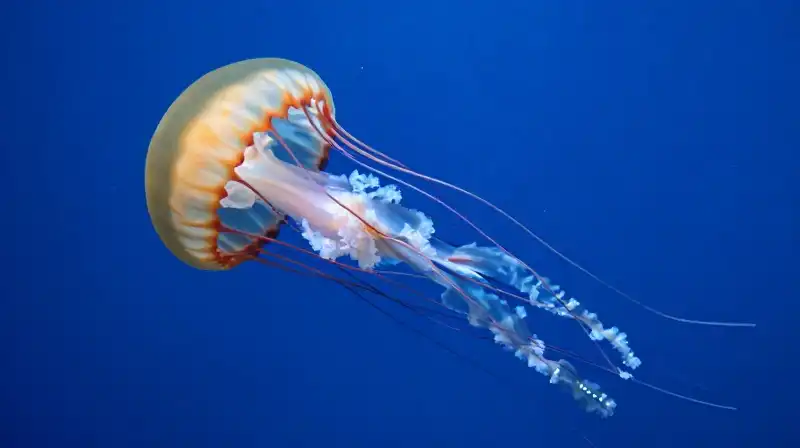
The Pacific Sea Nettle is defined by its striking, dish-shaped bell. While the bell itself is relatively compact, measuring up to 30 cm (1 ft) in diameter, the rest of its body extends far beyond what the eye might first expect. The coloring of the bell often ranges from yellowish to a deep reddish-brown, sometimes featuring a distinct star-like pattern on the exterior surface.
To understand the scale of a sea nettle, one must look past the bell to its trailing appendages:
- Tentacles: They can possess up to 24 long, ribbon-like tentacles that may reach lengths of 20 feet.
- Oral Arms: In addition to the thin tentacles, they have four lacy oral arms that can extend up to 4.6 m (15 ft).
Though they lack the complex eyes required to see detailed images, sea nettles are far from blind. They utilize pigmented “eye spots” called ocelli to distinguish between light and dark, and they rely on mineral-filled vesicles known as statocysts to maintain their balance and orientation within the water column. To move, they use a rhythmic pulsing motion; by contracting and expanding their coronal and radial muscles, they create an outward jet of water that propels them forward.
Hunting and the Sting
The Pacific Sea Nettle is a specialized carnivore. It patrols the water for a variety of prey, including zooplankton, larval fishes, eggs, comb jellies, and pelagic snails. When prey comes into contact with their tentacles, the jelly deploys nematocysts—microscopic stinging cells—to paralyze the target instantly.
For humans, encountering a sea nettle can be an uncomfortable experience. While their venom is not considered deadly to humans, it can cause a stinging sensation and localized discomfort similar to a bee sting. However, it is important to note that highly sensitive individuals may experience more significant reactions.
The Complex Life Cycle: From Polyps to Jellies
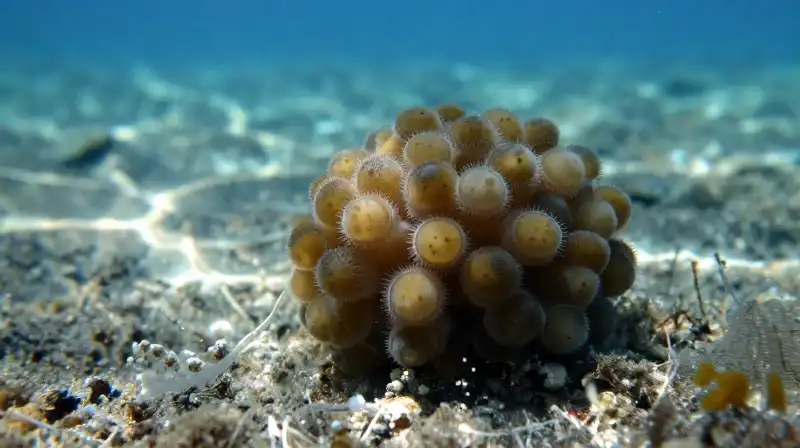
The life of a sea nettle is not a single, continuous journey in one form. Instead, it undergoes a dramatic transformation known as a complex life cycle. This process begins with free-swimming larvae called planulae, which eventually settle on the ocean floor to become stationary polyps.
The transition from a stationary polyp to a swimming jellyfish occurs through a process called strobilation. During this stage, the polyp buds off young jellies, known as ephyra, in a manner that resembles a stack of growing dinner plates. In the wild, these animals typically live for six months to a year, though they have been known to live up to 18 months when kept in protected aquarium environments.
Ecosystem Roles and Symbiosis
No creature exists in isolation, and the sea nettle is a vital link in the marine food web. They serve as a primary food source for several larger species, including sea turtles, the ocean sunfish (*Mola mola*), and the Northern Fulmar seabird.
Interestingly, the sea nettle also provides a mobile home for other creatures. Juvenile cancer crabs often engage in a symbiotic relationship with the jelly, hiding safely inside the bell. This relationship is so active that it can sometimes leave the jellyfish looking “tattered,” as the crabs may nibble on the jelly’s tissues while seeking protection.
Summary of Key Traits
| Feature | Description |
|---|---|
| Bell Diameter | Up to 30 cm (1 ft) |
| Tentacle Length | Up to 20 feet |
| Primary Diet | Zooplankton, larval fish, eggs, and snails |
| Lifespan | 6–18 months depending on environment |
Conservation and Changing Oceans
Currently, the Pacific Sea Nettle is considered “safe for now” regarding its population levels. However, marine biologists are closely monitoring how environmental shifts might impact their distribution. Changes in ocean temperatures and increased urban runoff can alter the availability of nutrients in the water, which may lead to increased swarms of jellyfish in certain areas. Understanding these shifts is crucial as climate change continues to reshape the delicate balance of marine ecosystems.
The Pacific Sea Nettle is a remarkable example of biological efficiency. From its ability to navigate via light sensitivity to its complex metamorphosis from a stationary polyp to a drifting predator, it remains an essential, if occasionally stinging, component of the Pacific Ocean.
Facts sourced from peer-reviewed marine biology research, NOAA, and the Smithsonian Ocean Portal. Our editorial team fact-checks all content against current scientific literature.
Related Articles