
10 Fascinating Ghost Shark Facts About These Deep-Sea Chimaeras

Introduction
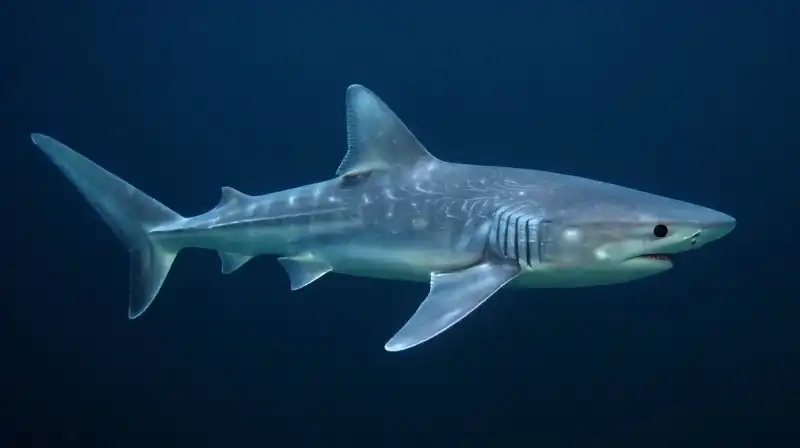
Gliding through the near-total darkness of the deep ocean, a creature with glowing, ethereal eyes and wing-like fins moves with a ghostly grace. At first glance, you might think you are looking at a strange species of shark, but the “ghost shark” is far more ancient and biologically distinct than its name suggests. These animals, scientifically known as chimaeras, belong to the subclass Holocephali—a lineage of cartilaginous fish that branched away from the ancestors of modern sharks nearly 400 million years ago. They are living relics of a prehistoric era, carrying anatomical features that have remained largely unchanged for hundreds of millions of years.
10 Fascinating Ghost Shark Facts
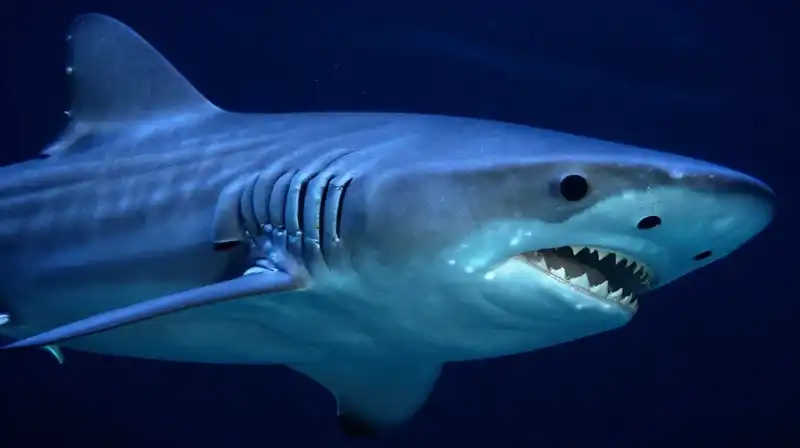
To understand why these creatures are so unique, we have to look past their intimidating appearance and examine the specialized biology that allows them to thrive in the deep sea.
- They are not actually sharks: Despite the common name, ghost sharks are more closely related to rays and skates than to the sharks we see in movies. While they share a cartilaginous skeleton, they belong to an entirely different evolutionary branch that split from sharks in the Paleozoic era.
- Their teeth never stop growing: Unlike true sharks, which possess multiple rows of replaceable teeth, ghost sharks have developed hypermineralized tooth plates. These plates act like permanent crushing tools that continue to grow throughout the animal’s entire life.
- They “see” with electricity: To find prey hidden beneath the ocean floor, ghost sharks use a specialized, club-like snout equipped with electroreceptors. These sensors allow them to detect the minute electrical fields and movements of animals buried in the sand.
- They glide rather than swim: While most sharks rely on their tails for powerful propulsion, ghost sharks use large, wing-like pectoral fins to swim. This allows them to move through the water with a rhythmic, hovering motion similar to a bird in flight.
- Their eyes are built for the dark: Ghost sharks possess large, high-set eyes that are optimized for low-light environments. These eyes often appear to glow, a result of a reflective tissue layer that helps them capture as much ambient light as possible in the deep sea.
- They have built-in defenses: To protect themselves from larger predators, many species possess a long, sharp spine located just in front of their first dorsal fin.
- Unique reproductive anatomy: Male ghost sharks possess a distinctive, thumb-shaped clasper located on their heads, which they use to secure females during copulation.
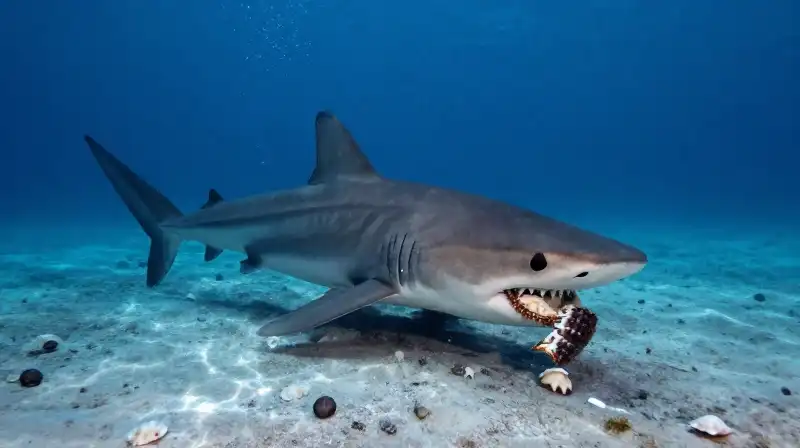
- They are specialized crushers: Because of their unique tooth plates, their diet is highly specific. They primarily hunt benthic (bottom-dwelling) prey such as mollusks, worms, and crustaceans, which they crush rather than shred.
- They inhabit extreme depths: Most ghost sharks live in the deep sea at depths ranging from 400 to over 8,200 feet. However, some species are known to migrate into shallower estuaries and inshore bays during the spring to mate.
- They are ancient survivors: Fossil records suggest this lineage emerged as far back as 280 million years ago, with some scientific estimates placing their evolutionary origins even further back.
Ghost Sharks vs. True Sharks
While both belong to the class of cartilaginous fish, their biological strategies are fundamentally different. This table highlights the key distinctions between these two groups.
| Feature | Ghost Shark (Chimaera) | True Shark |
|---|---|---|
| Teeth Structure | Permanent, growing tooth plates | Multiple rows of replaceable teeth |
| Primary Movement | Pectoral fin “gliding” | Tail-driven propulsion |
| Evolutionary Lineage | Subclass Holocephali | Subclass Elasmobranchii |
| Sensory Focus | Highly specialized snout electroreceptors | Lateral lines and various ampullae of Lorenzini |
Common Questions About Ghost Sharks
Are ghost sharks dangerous?
Ghost sharks are generally not considered a threat to humans. They are deep-sea dwellers that focus on small, benthic invertebrates like worms and mollusks. While they do possess a defensive spine in front of their dorsal fin, they are not predatory toward large animals.
What do ghost sharks eat?
Their diet consists primarily of creatures living on the ocean floor. Using their specialized tooth plates, they crush hard-shelled prey such as crustaceans and mollusks, as well as soft-bodied worms.
Where do ghost sharks live?
They are primarily found in deep-sea environments, often at depths exceeding 400 feet. However, their habitat isn’t strictly limited to the abyss; certain species migrate to shallower inshore bays and estuaries during springtime mating seasons.
Conservation and the Future of Chimaeras
Understanding the ghost shark requires acknowledging the challenges they face in a changing ocean. While some species, such as the Australian ghostshark (*Callorhinchus milii*), are currently listed as “Least Concern” due to stable populations in Australia and New Zealand, the group as a whole faces significant pressures.
Approximately 16 percent of all known ghost shark species are considered threatened or near-threatened. A major contributor to their decline is bycatch—the unintentional capture of these animals in commercial deep-sea fishing gear. Because ghost sharks have slow reproductive rates, their ability to recover from population losses is limited, making effective marine conservation efforts vital for their survival.
The Living Legacy of the Deep
Ghost sharks are more than just a curiosity of the deep; they are a window into the evolutionary history of our oceans. From their unique “flying” movement to their permanent tooth plates, every aspect of their biology is a specialized adaptation to a world of darkness and high pressure. As we continue to explore the deep sea, these ancient survivors remind us of the incredible diversity—and the fragility—of life beneath the waves.
Facts sourced from peer-reviewed marine biology research, NOAA, and the Smithsonian Ocean Portal. Our editorial team fact-checks all content against current scientific literature.
Related Articles