
12 Fascinating Facts About the Arctic Ocean and Its Wildlife

Introduction
The Arctic Ocean is often defined by its extremes. It is a world of perpetual light and total darkness, of crushing depths and expansive ice sheets, and of temperatures that hover near the freezing point of saltwater. While it is the smallest of the world’s five major oceans—covering less than 3% of the Earth’s surface—its influence on the global climate and its role as a sanctuary for specialized marine life make it a cornerstone of our planet’s health. To understand the Arctic is to look beyond the white expanse of ice and discover a complex, living ecosystem driven by unique biological and geological forces.
A Massive, Hidden Landscape
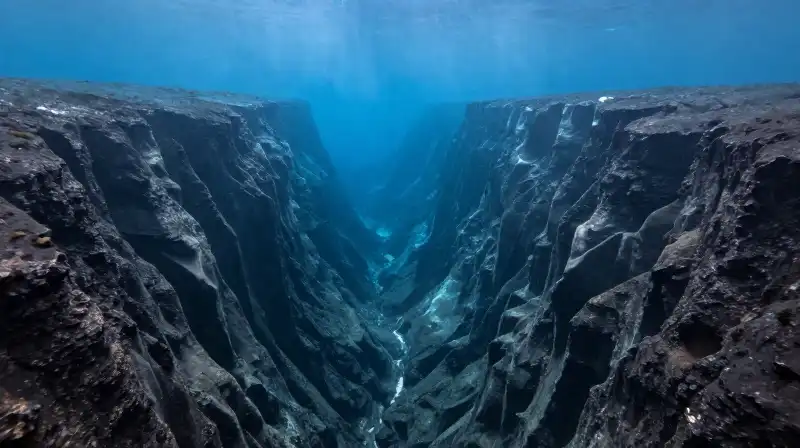
Despite its status as the “smallest” ocean, the scale of the Arctic is difficult to visualize. Covering approximately 14 million square kilometers, the Arctic Ocean is a massive body of water that spans an area nearly twice the size of Australia. Beneath the surface, the ocean floor is far from a flat plain; it is a rugged landscape of ridges and deep basins.
- Complex Topography: The ocean is divided into the Amerasian and Eurasian basins by the Lomonosov Ridge.
- Extreme Depths: The Litke deep reaches a depth of 5,450 meters, showcasing the vertical scale of this environment.
- Stable Temperatures: Unlike many other oceans that experience dramatic seasonal shifts, sea temperatures in the Arctic remain relatively constant at approximately -2°C (28°F) throughout the year.
Specialized Life in the Extreme
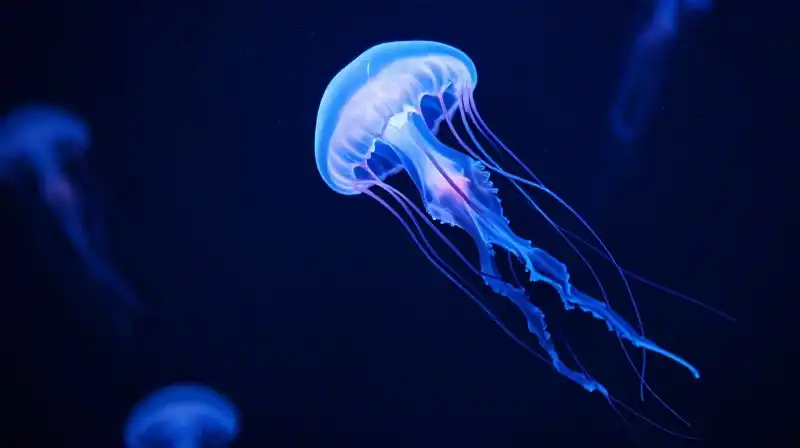
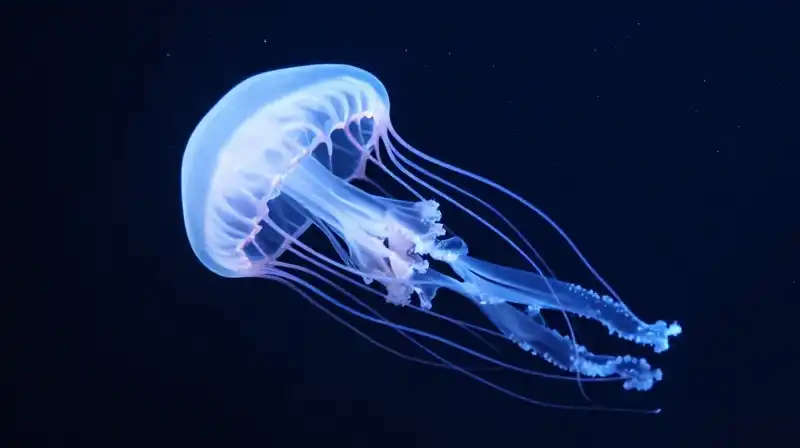
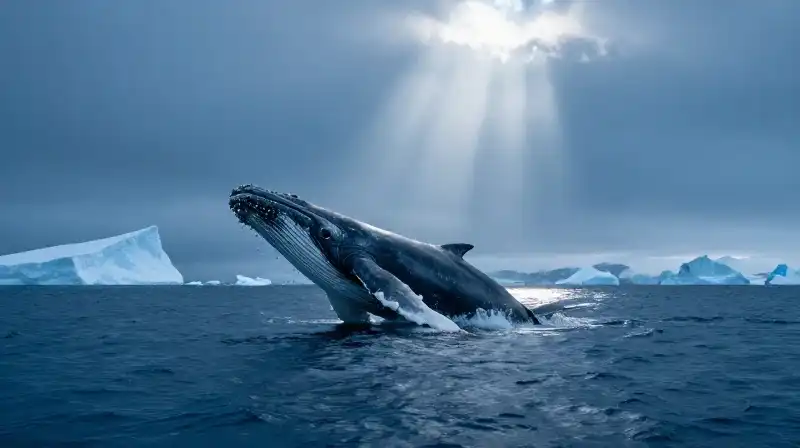
The Arctic food web is built on a foundation of microscopic life. Small fish and zooplankton serve as the essential energy source for much larger inhabitants, including migrating whales and various seabirds. This ecosystem supports a surprising variety of life, from jellyfish in the deep trenches to over 200 species of breeding seabirds.
The Marine Mammals of the North
Many of the most iconic animals in the Arctic are classified by their deep connection to the sea. For instance, the polar bear is technically considered a marine mammal because it spends the majority of its life on the Arctic Ocean’s sea ice.
| Species | Notable Trait | Scientific Context |
|---|---|---|
| Polar Bear | Hyper carnivore | Their diet consists of more than 70% meat. |
| Walrus (Odobenus rosmarus) | “Tooth walking sea horse” | The scientific name translates literally to this description. |
| Bowhead Whale | Arctic specialist | A key large mammal supported by the Arctic food web. |
Myth-Busting the Arctic
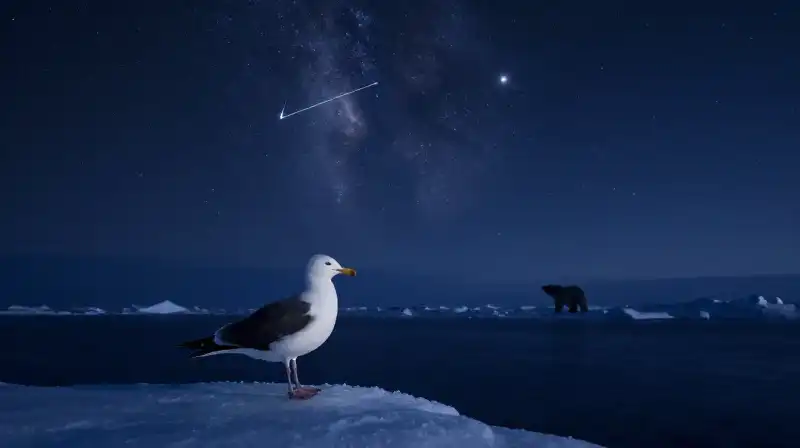
Because the Arctic is so remote, several misconceptions persist in popular culture. One of the most frequent errors involves the distribution of polar wildlife.
Are there penguins in the Arctic? No. A common misconception is that penguins live in the polar regions generally, but penguins are found exclusively in the Southern Hemisphere, such as in Antarctica. The Arctic is instead home to species like the ivory gull.
What does “Arctic” actually mean? The name “Arctic” does not actually refer to the polar bear. It is derived from the Greek word arktos, meaning “bear,” which refers to the constellations Ursa Major (the Great Bear) and Ursa Minor (the Little Bear) visible in the northern sky.
The Cycles of Light and Human Presence
The Arctic’s relationship with the sun is unlike anywhere else on Earth. Depending on your latitude, the sun’s behavior changes drastically. At the North Pole, the sun does not set for 187 days of the year. Even further south, at the Arctic Circle, the sun may stay above the horizon for 30 consecutive days during the month of June.
This environment is not merely a wilderness; it is a home. Approximately 4 million people inhabit the Arctic region. About 10% of these residents are Indigenous, including various groups such as the Inuit, Yupik, Aleut, Saami, and Nenets.
A Fragile Ecosystem Under Pressure
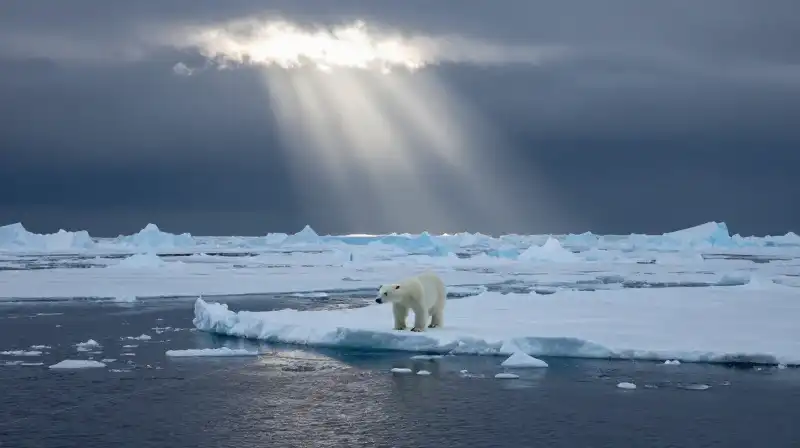
The Arctic is currently one of the most rapidly changing environments on the planet. Climate change is the primary threat to this ecosystem, with warming occurring in the Arctic up to four times faster than in the rest of the world. This rapid warming has a direct impact on the survival of key species. For example, polar bears are currently classified as vulnerable to extinction because the melting sea ice reduces the essential platforms they need for hunting, resting, and breeding.
Why the Arctic Matters
The Arctic Ocean is more than just a collection of 10 interesting facts or a frozen wasteland; it is a highly specialized, interconnected biological engine. From the “tooth walking sea horse” to the complex ridges of the ocean floor, every element of the Arctic is adapted to survive in a world of extreme light and cold. However, as the region warms at an unprecedented rate, the stability of this unique food web and the survival of its specialized inhabitants depend on our understanding of its fragile balance.
Facts sourced from peer-reviewed marine biology research, NOAA, and the Smithsonian Ocean Portal. Our editorial team fact-checks all content against current scientific literature.
Related Articles