
Essential Ocean Twilight Zone Facts and Its Role in Carbon Storage

The Hidden Engine of the Ocean
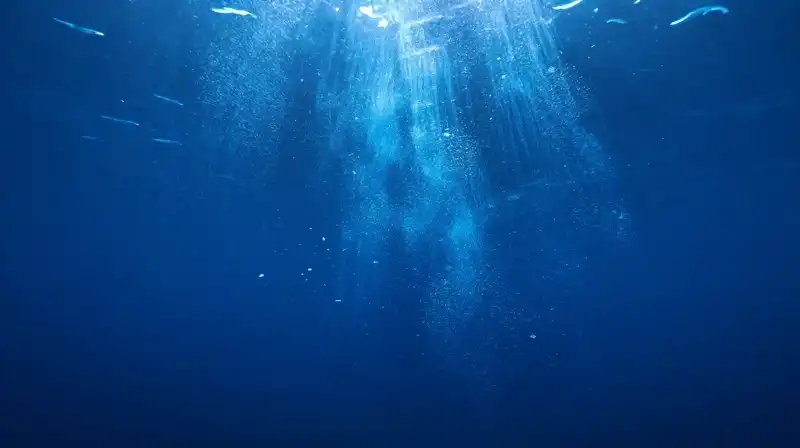
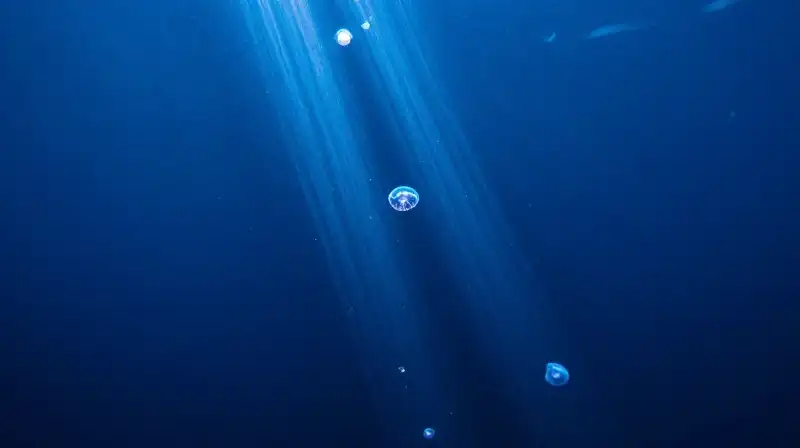
Below the sunlit surface of the ocean lies a vast, dim expanse known as the twilight zone. Stretching from roughly 200 to 1,000 meters (650 to 3,300 feet) deep, this layer of water is neither fully dark like the midnight zone nor bright like the surface. While it might seem like a lonely, empty void, this region is actually one of the most biologically active and ecologically critical parts of our planet. It acts as a massive biological pump, playing a fundamental role in regulating Earth’s climate by moving carbon from the atmosphere into the deep sea.
Essential Twilight Zone Ocean Facts
To understand why this layer is so vital, we have to look at the unique biological processes and the “marine snow” that keeps it alive. Here are the key facts about the twilight zone and its complex mechanics:
- The Biological Carbon Pump: The twilight zone serves as a gateway for carbon dioxide. About 90 percent of the carbon that enters this zone stays there, effectively isolating it from the atmosphere for hundreds or even thousands of years.
- Marine Snow: Because photosynthesis cannot occur in the dim light of the twilight zone, most inhabitants rely on “marine snow.” This is a constant drift of organic material—including dead plankton, bacteria, and fecal pellets—falling from the surface to provide essential nutrients for deep-sea life.
- The Daily Vertical Migration: Many animals in this zone participate in a massive, synchronized movement. They travel to the surface to feed under the cover of night and retreat to the darker, safer depths during the day.
- A Carbon “Fast Track”: This migration isn’t just about feeding; it’s about transport. When animals consume food at the surface and then swim back down to the twilight zone, they act as a biological elevator, bringing carbon directly into the deeper layers.
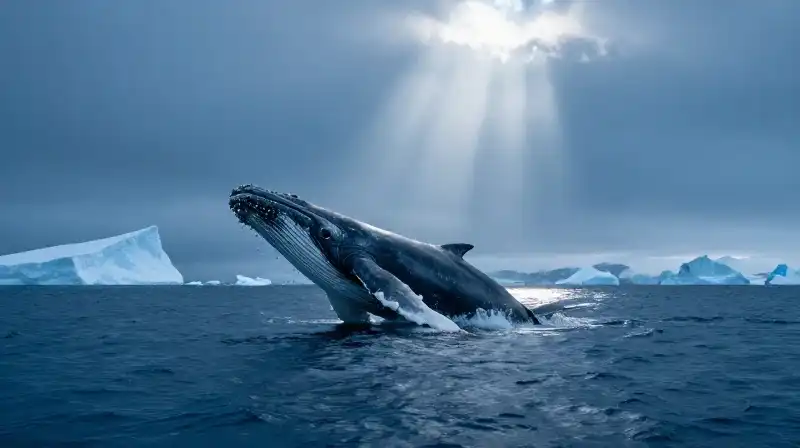
- A Critical Food Web Link: The twilight zone is not an isolated system; it supports massive predators. Highly migratory species like tuna, swordfish, whales, and sharks dive into these depths to hunt, making this zone a cornerstone of the global marine food web.
Why the Twilight Zone is Hard to Study
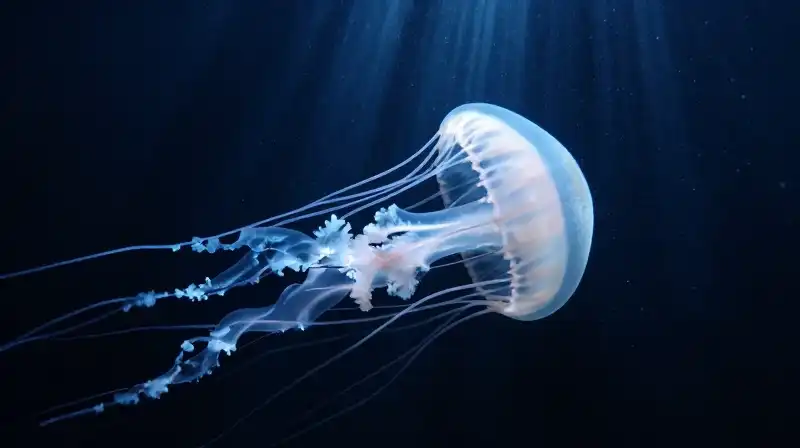
Studying the twilight zone presents unique technical hurdles that make it much more mysterious than the surface ocean. Unlike the upper layers, which can be monitored via satellite technology, the twilight zone remains invisible to space-based imaging.
Furthermore, researchers face several physical and behavioral obstacles:
- Elusive Behavior: Many organisms in this zone can actively avoid detection by sensing and moving away from ship-based sonar, nets, and underwater cameras.
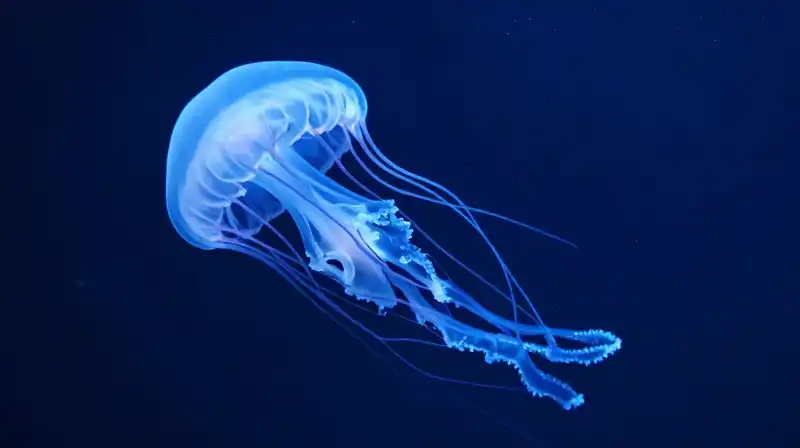
- Fragile Biology: A large portion of the biomass consists of gelatinous creatures, such as jellyfish, salps, and siphonophores. These animals are notoriously difficult to study because they often fall apart or disintegrate when collected in traditional sampling nets.
- Uneven Distribution: Organisms in this zone are rarely spread out evenly, making it difficult for scientists to get an accurate “snapshot” of the total population or biomass.
Threats and Sustainability
As our technology for reaching deeper waters improves, the twilight zone is facing new human pressures. Industrial fishing fleets, particularly from nations like Japan and Norway, are already harvesting small crustaceans like krill and copepods from these depths on a massive scale. Much of this biomass is processed into fish meal for aquaculture (fish farming), pet foods, or “nutraceutical” oils.
There is growing scientific concern regarding the long-term sustainability of these open-water fisheries. Because many deep-sea fisheries are largely unregulated, there is a risk of overfishing that could mirror the historical depletion of Northwest Atlantic cod. If the base of the food web—the small crustaceans of the twilight zone—is disrupted, the effects could ripple upward to the sharks and whales that depend on them.
Common Questions About the Twilight Zone
How cold is the twilight zone in the ocean?
While temperatures vary depending on latitude and depth, the twilight zone is significantly colder than the sun-warmed surface layers. As depth increases, the water temperature drops steadily, contributing to the high-pressure, low-energy environment characteristic of the deep sea.
What animals live in the twilight zone?
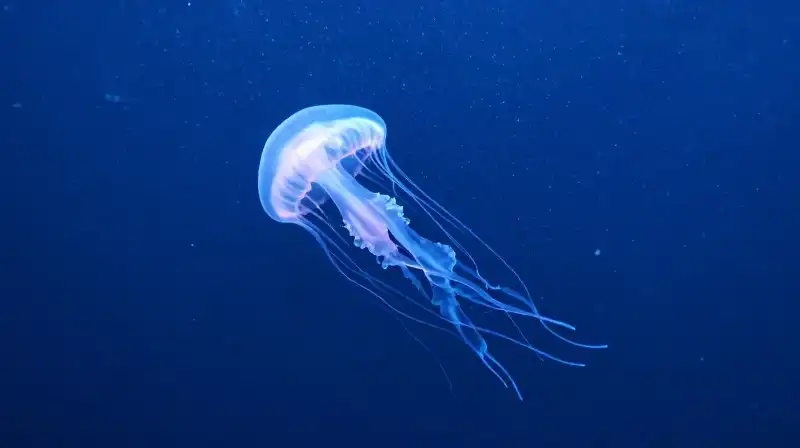
The zone is home to a diverse array of life, ranging from tiny crustaceans like copepods and krill to gelatinous organisms like jellyfish and salps. It also serves as a hunting ground for large, fast-moving predators like tuna, sharks, and swordfish that dive deep to find food.
What is a fun fact about the Twilight Zone ocean?
One of the most fascinating aspects is the “marine snow.” It may sound poetic, but it is actually a continuous “rain” of organic debris that serves as the primary food source for much of the deep ocean, turning the dark depths into a feeding ground for countless species.
The Importance of the Deep Dim
The twilight zone is much more than just a transition layer between light and dark. It is a sophisticated biological engine that regulates our climate by sequestering carbon and a vital pantry that feeds the ocean’s most iconic predators. Understanding this region is essential, not just for marine biology, but for understanding the health of the entire planet. As industrial interest in deep-sea resources grows, protecting this fragile, “invisible” layer becomes a matter of global ecological importance.
Facts sourced from peer-reviewed marine biology research, NOAA, and the Smithsonian Ocean Portal. Our editorial team fact-checks all content against current scientific literature.
Frequently Asked Questions
What is a fun fact about the Twilight Zone ocean?
A fascinating aspect is the marine snow, a continuous rain of organic debris that serves as the primary food source for much of the deep ocean.
How cold is the twilight zone in the ocean?
The twilight zone is significantly colder than the sun-warmed surface layers, with water temperature dropping steadily as depth increases.
What are 5 interesting facts about the ocean?
Five interesting facts include that the twilight zone acts as a biological carbon pump, relies on a constant drift of organic marine snow, and hosts a massive daily vertical migration of animals. Additionally, it serves as a critical food web link for large predators like whales and sharks, and contains many fragile, gelatinous organisms that are difficult to study.
Related Articles