12 Fascinating Fun Facts About Angel Sharks and Their Secrets

Introduction
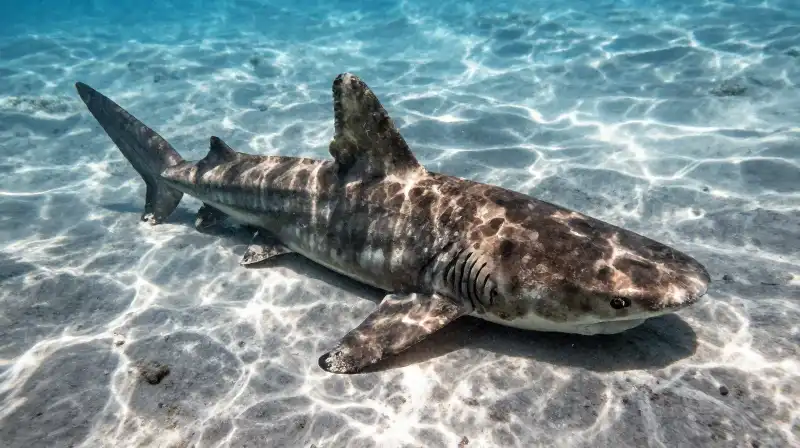
If you were scanning a sandy seafloor in the shallow coastal waters of the Atlantic or the Pacific, you might pass right over a predator without ever knowing it was there. To the untrained eye, a flat, mottled shape resting in the silt might look like a ray or a skate, but this is actually one of the ocean’s most specialized ambush hunters: the angel shark. Despite their name, they are true sharks, possessing a unique anatomy designed for life as a master of disguise.
The Great Debate: Shark or Ray?
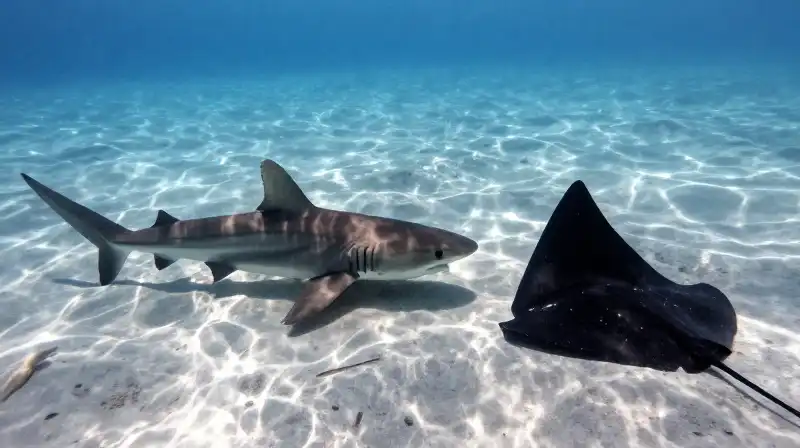
One of the most common misconceptions about angel sharks is their classification. Because of their flattened bodies and wide pectoral fins, they are frequently mistaken for rays or skates. However, biological markers set them apart. According to the definitive way to identify an angel shark is by looking at its gills; unlike rays, which have gills located on the underside of their bodies, angel sharks have their gill slits located above their pectoral fins.
12 Fascinating Fun Facts About Angel Sharks
To understand how these animals thrive in their environments, we have to look closer at their specialized biology and hunting tactics.
- They are masters of camouflage: Their skin is a complex tapestry of mottled spots in shades of brown, black, grey, green, white, and red. This allows them to blend seamlessly into the sand and mud of the seafloor.
- They strike with lightning speed: As ambush hunters, they don’t chase prey. Instead, they wait for a fish to swim close and then strike at a 90-degree angle using powerful suction. This entire movement is completed in just one-tenth of a second.
- They possess “fake eyes”: Juvenile angel sharks use a clever defensive mechanism called an “ocellus.” These are pigment patterns on their bodies that look like eyes, designed to trick predators into thinking the shark is a much larger creature.
- They breathe while buried: To stay hidden while resting on the ocean floor, they use specialized respiratory organs called spiracles located behind their eyes. These spiracles deliver oxygen directly to the brain, allowing them to breathe without moving or lifting their bodies from the sand.
- They have sensory “whiskers”: At the end of their snouts, angel sharks have two sensory barbels. These whiskers help them detect the movement or presence of prey hidden in the substrate.
- Their tails are built for upward thrust: Unlike many sharks with symmetrical tails, the angel shark has a lower caudal fin that is larger than the upper one. This anatomical quirk helps propel them upward during a sudden attack.
- They are primarily nocturnal: While they may be found in shallow waters during the day, they are carnivores that do most of their active hunting under the cover of darkness.
- They have a diverse range of species: There are at least 24 different species of angel shark. These range from the Clouded Angel Shark found in Japan to the Sawback Angel Shark in the Eastern Atlantic.
- They are ovoviviparous: Instead of laying eggs like some fish, angel sharks give birth to live “pups.” These pups develop inside eggs that remain within the mother’s womb until they are ready to emerge. A single litter can contain between 7 and 25 pups.
- They have a specific diet: While they are generalist carnivores eating fish, mollusks, squid, and crustaceans, they show a particular preference for eating skates and flatfishes.
- They inhabit diverse global locations: You can find them in the Canary Islands, the USA, Japan, and parts of Europe including Ireland and Wales, though they almost always prefer shallow coastal zones.
- They face a critical survival crisis: Angel sharks are currently considered a critically endangered species, with populations having declined by over 80% in the last century.
Understanding Angel Shark Size
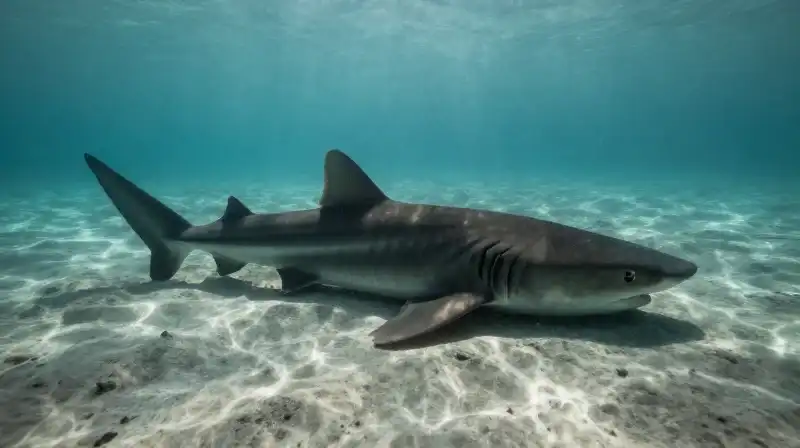
While most adult angel sharks hover around a manageable size, certain species can become quite formidable. Below is a comparison of typical measurements based on available data.
| Feature | Typical Adult Angel Shark | Japanese Angel Shark |
|---|---|---|
| Average Length | Approximately 5 feet | Up to 6.5 feet |
| Average Weight | Approximately 77 pounds | Varies by specimen |
Common Questions About Angel Sharks
Why is it called an angel shark?
While the name is often linked to their somewhat “heavenly” or soft appearance compared to more jagged predators, it is largely a reflection of their unique, flattened body shape and the way they glide through the water and sand.
Do angel sharks have eyes?
Yes, they certainly do. Their eyes are located on the top of their heads, which is an adaptation for a life spent lying flat on the seabed. As mentioned previously, juveniles also utilize “ocellus” patterns—which look like eyes—to further confuse potential predators.
Conservation and Threats

The decline of the angel shark is a sobering example of the impact human activity has on marine ecosystems. The primary driver of their population collapse is commercial fishing, specifically through “bycatch.” Because angel sharks inhabit shallow coastal areas where many fishing boats operate, they are frequently caught accidentally in large-mesh trawling nets.
In addition to fishing, habitat degradation, pollution, and general human disturbance in coastal waters continue to threaten their ability to hunt and reproduce effectively.
The Importance of the Ambush Hunter
The angel shark is a testament to the incredible specialization possible in marine evolution. From their lightning-fast suction strikes to their sophisticated camouflage and respiratory systems, every aspect of their biology is tuned to the art of the ambush. However, their highly specialized lifestyle also makes them vulnerable. Protecting the shallow coastal habitats they call home is essential if we want to ensure these remarkable “hidden” sharks remain a part of our oceans.
Facts sourced from peer-reviewed marine biology research, NOAA, and the Smithsonian Ocean Portal. Our editorial team fact-checks all content against current scientific literature.
Frequently Asked Questions
Why is it called an angel shark?
The name is largely a reflection of the sharks unique, flattened body shape and the way it glides through the water and sand. It is also sometimes linked to their somewhat heavenly or soft appearance compared to more jagged predators.
Do angel sharks have eyes?
Yes, angel sharks have eyes located on the top of their heads. Additionally, juvenile angel sharks possess pigment patterns called ocelli that look like eyes to trick predators.
Related Articles