15 Fascinating Shark Facts That Challenge Everything You Know

Introduction
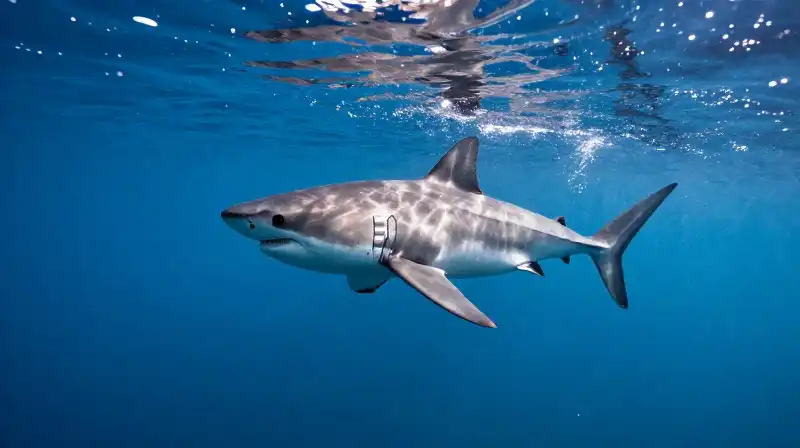
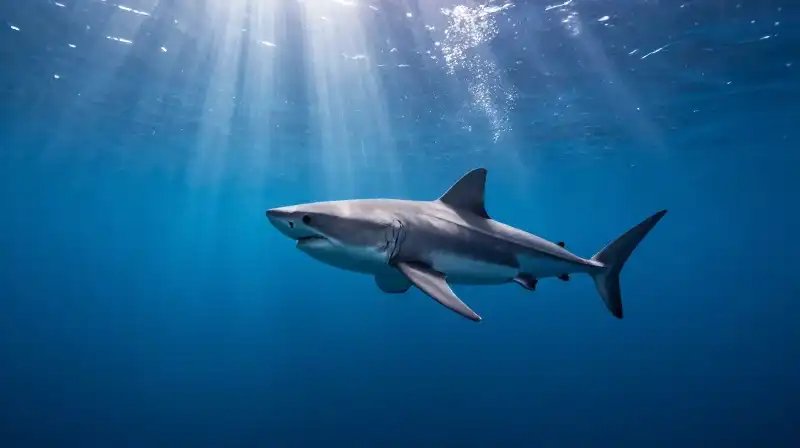
Pop culture often paints sharks as mindless, man-eating machines patrolling the coastline, waiting for a swimmer to pass by. However, the biological reality of these apex predators is far more complex, ancient, and surprising than a Hollywood thriller. Far from being the monsters of our nightmares, sharks are sophisticated evolutionary marvels that have mastered the ocean through specialized sensory systems and unique physical adaptations. To understand sharks is to move past the fear and look at the incredible science of their survival.
Busting the Myth: Sharks vs. The Real Dangers

One of the most persistent misconceptions is that sharks are a primary threat to human life. Statistically, the risk is incredibly low. In fact, falling coconuts are far more dangerous to humans, causing approximately 30 times more fatalities annually than shark encounters. While shark encounters are significant events, the true story of sharks is not one of human danger, but of ecological importance and the vulnerability of the species themselves.
15 Fascinating Shark Facts That Challenge Everything You Know
- Ancient Lineage: Sharks are not recent additions to the ocean. Scientists hypothesize that they first appeared around 455 million years ago, meaning they have survived multiple mass extinction events that wiped out other dominant species.
- No Bones Allowed: Unlike most fish, sharks do not have a bony skeleton. They are elasmobranchs, meaning their skeletons are made of cartilaginous tissue. This makes them lighter and more flexible, aiding their buoyancy in the water.
- The Endless Tooth Replacement: Sharks are equipped with multiple rows of teeth that act as a built-in backup system. Some species, such as the sandbar shark, can lose and replace more than 30,000 teeth over the course of their lifetime.
- Built-in Sandpaper Skin: If you were to touch a shark, it would feel rough, like sandpaper. This texture comes from dermal denticles, or placoid scales, which are tiny, tooth-like structures that reduce friction and help the shark swim more efficiently.
- Electro-Reception: Sharks possess a “sixth sense” via the ampullae of Lorenzini. These are small black pores located near the nose, eyes, and mouth that allow them to detect electromagnetic fields and subtle temperature shifts in the water.
- Night Vision Capabilities: Most sharks have excellent vision that extends into the dark. They utilize a reflective layer of tissue in the eye called the tapetum, which helps them see in low-light conditions.
- Walking Sharks: Evolution has produced some truly odd behaviors. The epaulette shark has pectoral fins strong enough to allow it to “walk” across land between tidal pools.
- The Trance State: Some sharks exhibit a phenomenon known as “tonic immobility.” If a shark is flipped upside down, it can enter a temporary, trance-like state.
- Spiral Eggs: While many sharks give birth to live young, some, like the Port Jackson shark, are oviparous. They lay unique, spiral-shaped eggs that are designed to corkscrew into rock crevices for protection.
- Extreme Longevity: The Greenland shark is a master of slow living. Some individuals are estimated to reach ages of 500 years or more.
- Massive Size Disparity: The size difference between shark species is staggering. You have the tiny cookie-cutter shark and the massive whale shark, which can reach lengths of up to 12.2 meters and weigh as much as 40 tons.
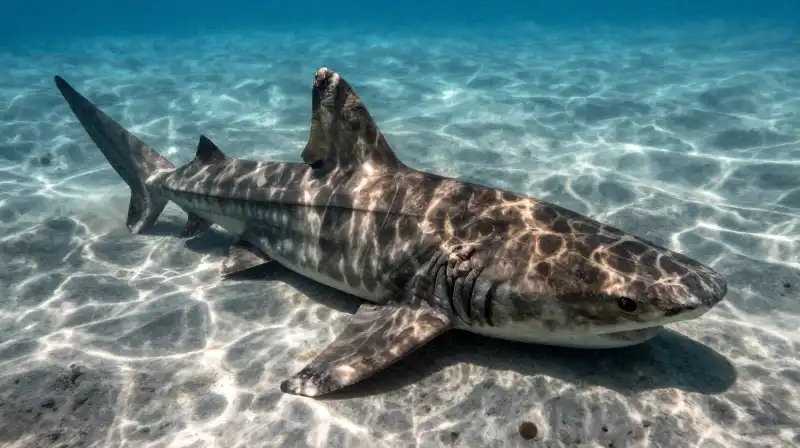
- Specialized Breathing: The nurse shark has a unique way of resting; it uses a spiracle—a specialized opening—to continue breathing while sitting still on the seafloor.
- Intrauterine Competition: In some species, like the sand tiger shark, the pups may engage in a form of competition with one another while still inside the mother’s womb.
- The Real Threat is Human: While we fear shark attacks, humans are the true danger to sharks. Fisheries are responsible for killing approximately 100 million sharks every single year.
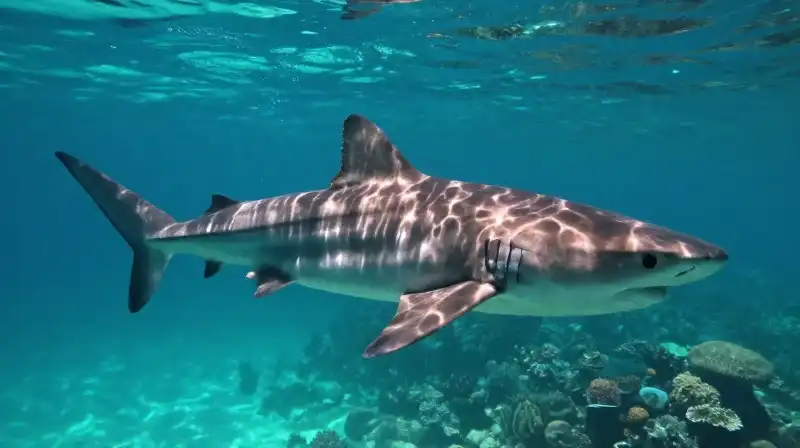
- A Diverse Ecosystem: From the deep sea to coral reefs, sharks occupy every corner of the marine world, serving as vital indicators of ocean health.
Comparing Shark Extremes
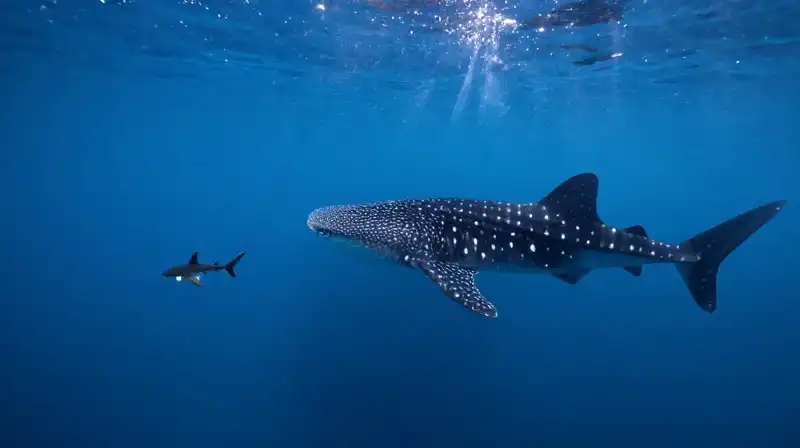
To understand the sheer diversity of these animals, it helps to look at the extremes of their size and life cycles.
| Feature | Smallest/Unique Example | Largest Example |
|---|---|---|
| Species | Cookie-cutter shark | Whale shark |
| Max Length | Varies (Small) | Up to 12.2 meters |
| Max Weight | Minimal | Up to 40 tons |
| Notable Trait | Specialized feeding | Filter feeding |
Understanding Shark Biology and Behavior
The survival of a shark depends on a suite of highly specialized biological tools. For example, the combination of a cartilaginous skeleton and dermal denticles allows them to move through the water with minimal energy expenditure. This efficiency is paired with sensory precision; the ampullae of Lorenzini allow them to “see” the electrical heartbeat of prey, making them one of the most effective hunters in the natural world.
Reproduction also highlights their incredible adaptability. Whether they are laying spiral eggs in the crevices of a reef (oviparous) or giving birth to live young (viviparous), shark species have carved out niches that allow them to thrive in environments ranging from shallow tidal pools to the freezing depths of the Arctic.
The Conservation Crisis
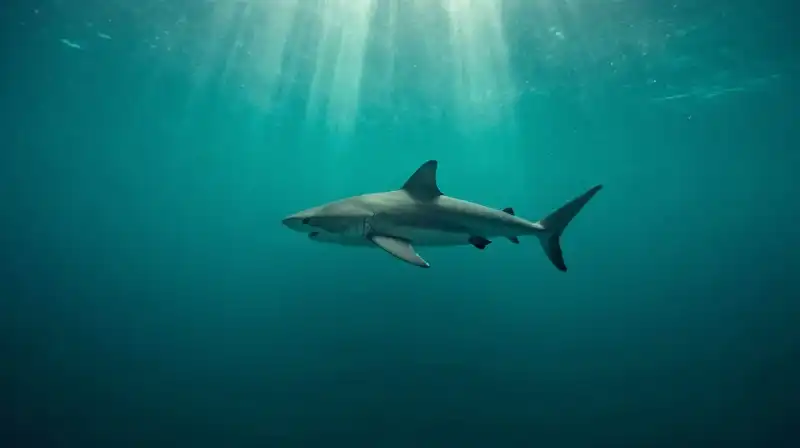
Despite their reputation as fearsome predators, sharks are in a precarious position. The sheer scale of human impact—specifically the loss of 100 million sharks annually to fisheries—threatens to destabilize marine ecosystems. Because many shark species, such as the Greenland shark, grow slowly and reach maturity late, they are particularly vulnerable to overfishing and population depletion.
Summary: Why Sharks Matter
Sharks are much more than just a source of fear or a trivia topic; they are ancient, highly evolved sentinels of the ocean. From their ability to “walk” on fins to their 500-year lifespans, they represent some of the most successful biological designs in Earth’s history. Protecting them is not just about saving a single species, but about maintaining the delicate balance of the entire marine environment. Understanding their true nature—shifting the focus from “scary predator” to “essential marine biologist’s marvel”—is the first step toward meaningful conservation.
Facts sourced from peer-reviewed marine biology research, NOAA, and the Smithsonian Ocean Portal. Our editorial team fact-checks all content against current scientific literature.
Related Articles