
Crystal Jellyfish Facts: Diet, Predators, and Scientific Uses

Introduction
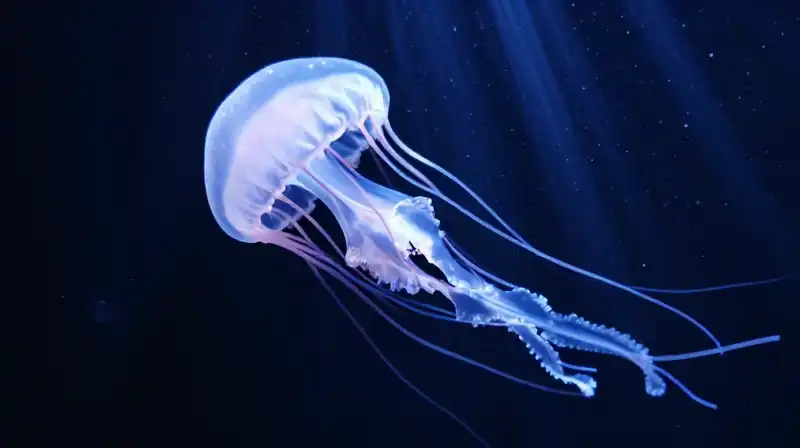
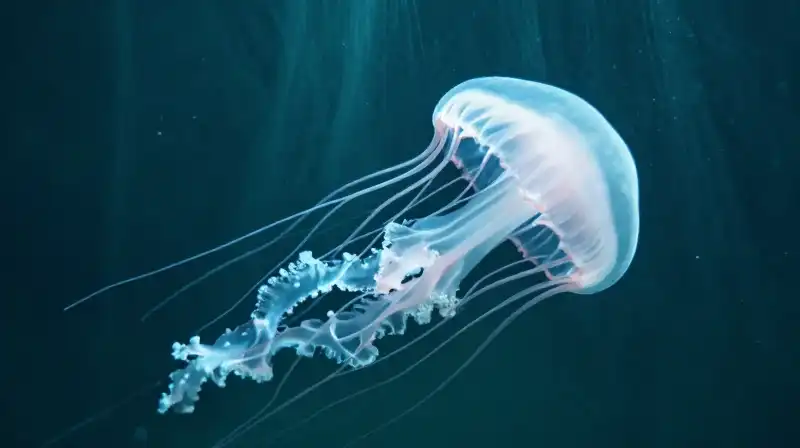
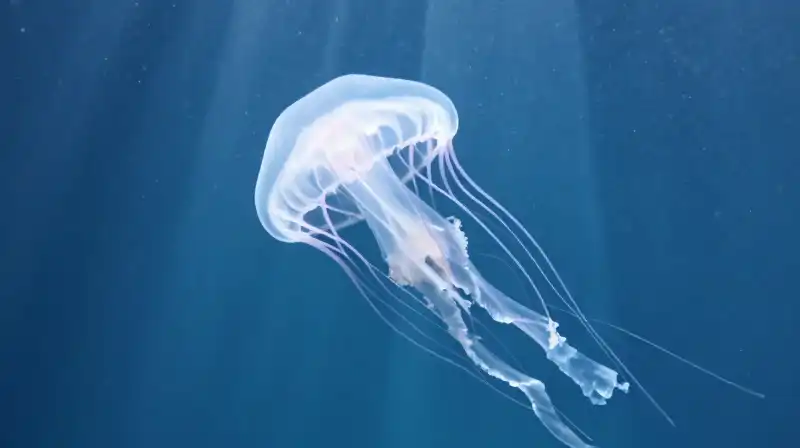
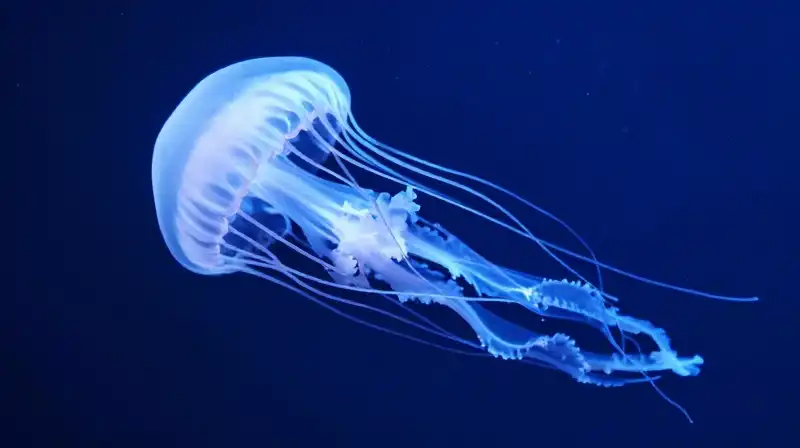
At first glance, the crystal jellyfish appears to be nothing more than a delicate, shimmering ghost drifting through the Pacific. Nearly transparent and composed largely of water, these hydromedusae are masters of camouflage, blending seamlessly into the open ocean. However, beneath this fragile, glass-like exterior lies a highly efficient predator with a diet that defies its dainty appearance. Far from being passive drifters, crystal jellyfish play a dynamic role in the marine food web, serving as both a formidable hunter of smaller organisms and a vital resource for modern biomedical science.
Habitat and Seasonal Presence
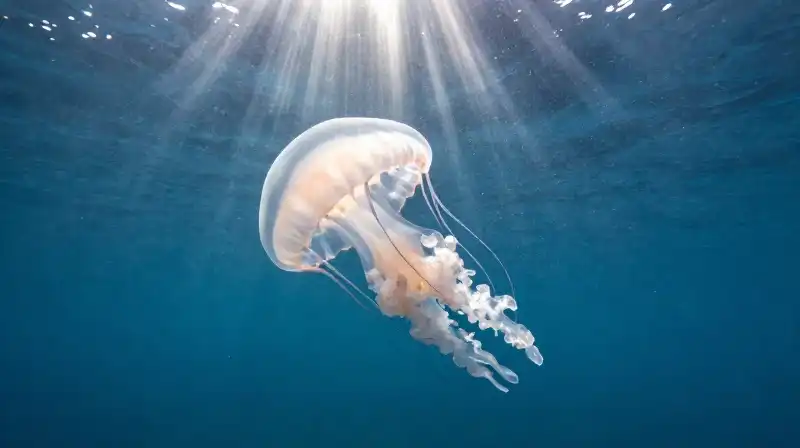
Crystal jellyfish are residents of the North American Pacific coast. Their range is extensive, stretching from the cold waters of the Bering Sea in the north all the way down to the temperate regions of southern California. Rather than being permanent fixtures of the deep, their presence is dictated by the seasons; they are typically found in their natural habitats from the spring through the autumn.
Crystal Jellyfish Facts: Diet and Predatory Behavior
While many people assume small, transparent creatures have limited food options, the crystal jellyfish is a surprisingly capable carnivore. Their diet and hunting methods reveal a much more aggressive side to their biology.
- Specialized Diet: They primarily consume zooplankton and various soft-bodied organisms, such as polychaetes (segmented worms) and ctenophores (comb jellies).
- Impressive Scale: One of the most remarkable crystal jellyfish facts is their ability to swallow prey much larger than themselves. They can expand their mouths to consume other jellyfish that are twice their own size.
- Preference for Comb Jellies: Within their varied diet, they appear to show a specific preference for eating comb jellies.
- Cannibalism: Survival in the open ocean can be competitive, and crystal jellyfish exhibit cannibalistic behavior, meaning they will prey upon members of their own species if the opportunity arises.
Predators and Survival
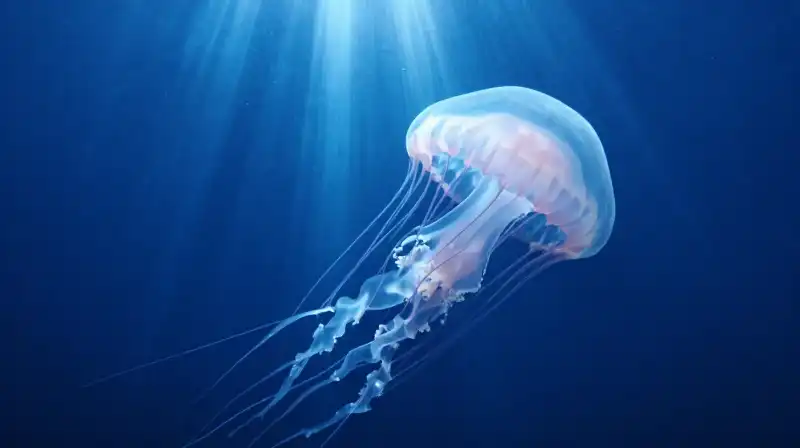
In the complex hierarchy of the ocean, the crystal jellyfish is not always at the top of the food chain. Despite their ability to hunt larger jellies, they are vulnerable to even larger gelatinous predators. For instance, the massive Lion’s Mane Jellyfish acts as a natural predator to the crystal jellyfish.
Are crystal jellyfish rare?
While they are highly specialized and seasonal, they are a recognized part of the Pacific coastal ecosystem. Their visibility depends heavily on the time of year, as they are most prevalent during the spring and summer months.
What eats crystal jelly?
As noted in their predator profiles, larger jellyfish species—specifically the Lion’s Mane Jellyfish—are known to prey upon them. They also fall prey to various larger marine organisms that occupy higher trophic levels in the Pacific waters.
The Science of Bioluminescence
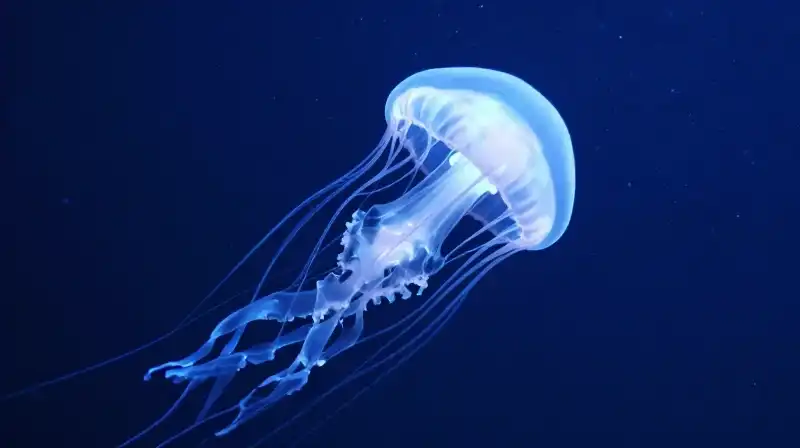
Beyond their ecological role, crystal jellyfish are incredibly important to human scientific advancement. They are famous for their bioluminescence, the ability to produce light through chemical reactions within their bodies. This property is not just a visual marvel; it is a tool for medical discovery.
Humans harvest these jellyfish to extract aequorin, a specific bioluminescent protein. This protein is used extensively in biomedical research to help scientists visualize biological processes inside living cells, making the crystal jellyfish a tiny but mighty contributor to modern medicine.
Summary of Traits
| Feature | Details |
|---|---|
| Primary Habitat | Pacific Coast (Bering Sea to Southern California) |
| Active Season | Spring through Autumn |
| Primary Diet | Zooplankton, ctenophores, and polychaetes |
| Key Scientific Use | Extraction of aequorin for biomedical research |
The crystal jellyfish serves as a perfect example of the ocean’s hidden complexities. It is an organism that manages to be simultaneously a delicate marvel of transparency, a fierce cannibalistic predator, and a cornerstone of light-based medical technology. Understanding their lifecycle and diet helps us appreciate how even the most seemingly simple creatures drive the biological and scientific engines of our planet.
Facts sourced from peer-reviewed marine biology research, NOAA, and the Smithsonian Ocean Portal. Our editorial team fact-checks all content against current scientific literature.
Frequently Asked Questions
Are crystal jellyfish rare?
The article does not explicitly state if they are rare, but notes they are a recognized part of the Pacific coastal ecosystem. Their visibility depends on the season, as they are most prevalent during the spring and summer months.
What eats crystal jelly?
The crystal jellyfish is preyed upon by larger jellyfish species, specifically the Lions Mane Jellyfish. They also fall victim to various larger marine organisms occupying higher trophic levels in Pacific waters.
Related Articles